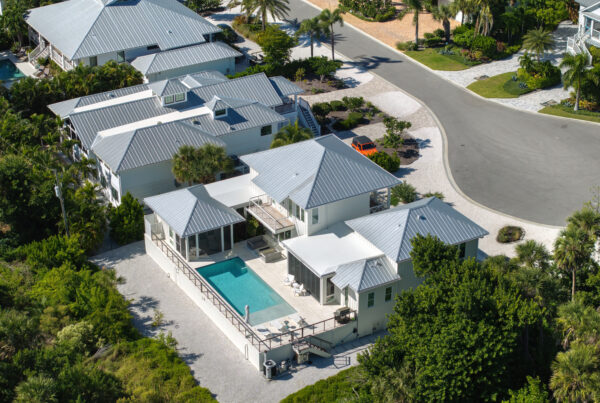

A duplex is the gateway drug to multi-unit real estate investing. Two units, one roof, one lot, and a rent roll that often beats a single-family comparable. For DSCR lenders, a duplex is still firmly in residential territory, which means the underwriting is familiar and the approval path is clear.
That said, a duplex is not a single-family home. The appraisal is done differently, the rent documentation is different, and the way the DSCR ratio is calculated takes both units into account. Investors who assume duplex financing is identical to single-family DSCR often get surprised by small but meaningful differences.
This is a full breakdown of how duplex DSCR loans work, what it takes to qualify, what numbers matter, and where you can actually get one funded.
Why a Duplex Is the Sweet Spot for New Investors
Duplexes cash flow better than single-family rentals in most markets because you are capturing two streams of rent against one set of fixed costs. You have one roof to replace, one lawn to maintain, one set of exterior walls to insure. The math favors the investor.
They are also easier to finance than larger buildings because the entire small-residential infrastructure (appraisal forms, comparable sales, underwriting guidelines) is built to accommodate two-unit properties.
Most first-time multi-unit investors start with a duplex for exactly these reasons. The learning curve is short and the financing is widely available.
How Duplex DSCR Underwriting Actually Works
Appraisal
A duplex is appraised using the Fannie Mae form 1025 (Small Residential Income Property). The appraiser pulls comparable duplex sales, analyzes market rent, and provides a rent schedule on form 1007. That rent schedule is the number most DSCR lenders use if your current leases are below market.
Rent Documentation
If the duplex is already leased, your current leases are the starting point for rent. If one or both units are vacant, the appraiser’s 1007 rent schedule fills in the blanks. Some lenders use the lower of the two numbers. Some use the lease on rented units and 1007 on vacant ones. Small differences here matter.
DSCR Calculation
Total monthly gross rent divided by total monthly PITIA (principal, interest, taxes, insurance, HOA). That is the DSCR. Most lenders want 1.00 or better at purchase, though sub-one and no-ratio programs exist.
Credit, Reserves, and Down Payment
Expect a minimum credit score of six hundred forty to six hundred eighty depending on the lender. Down payment on a duplex purchase DSCR is usually twenty to twenty-five percent. Reserves are typically three to six months of PITIA, with more required if credit is on the lower end.
Cash-out refinances on a duplex usually max at seventy-five to eighty percent LTV. Rate-and-term can go to eighty-five percent at the best tiers.
Entity Vesting vs Personal Name
Most DSCR lenders prefer (or require) that the loan close in the name of an LLC. This protects the investor personally and reinforces the lender’s ability-to-repay exemption. Setting up an LLC is easy, but make sure you understand how Florida or your state of operation treats LLC insurance, liability, and property tax before you decide.
A duplex held personally can often still be DSCR-financed, but the guidelines narrow.
A Sample Duplex Deal
Purchase price four hundred fifty thousand. Twenty-five percent down, loan amount three hundred thirty-seven thousand five hundred. Each unit rents for seventeen hundred fifty. Total gross rent thirty-five hundred. Monthly PITIA at current market rates comes in around three thousand one hundred. DSCR of one point one three. Credit score seven hundred. Reserves six months.
That is a strong file. Most DSCR lenders will quote it competitively. Below seven hundred, rate bumps up but the deal still closes.
Owner-Occupied vs Pure Investment
A duplex is unique in that you can live in one unit and rent the other. That is not a DSCR deal. If you plan to owner-occupy one side, you are better off using conventional, FHA, or VA financing, which allows much higher LTV and better rates for owner-occupants.
DSCR is for non-owner-occupied duplexes only. If the property is purely an investment, DSCR is almost always the right tool.
Where Two-Unit DSCR Loans Actually Get Funded
Duplex DSCR is one of the most widely offered DSCR products in the country. Most dedicated investor lenders write it, which is good news for you as the borrower. Competition keeps pricing tight.
1. Select Home Loans
Select Home Loans writes DSCR loans nationwide and, crucially, goes all the way up to eight-unit properties. Most wholesale DSCR desks stop at four units. Being able to write the same program across the full two-to-eight range means you deal with one lender, one process, and one underwriting culture as your portfolio scales. Call (888) 550-3296 or visit selecthomeloans.com to get a scenario reviewed.
2. Kiavi
Kiavi is one of the larger technology-forward DSCR lenders and a natural comparison point for most residential-unit DSCR files. Their guidelines are published openly, their process is online-first, and they move quickly. Their upper unit ceiling is lower than eight, but for two-to-four-unit deals they are worth quoting.
3. Visio Lending
Visio Lending is a dedicated rental-property lender with deep experience in small-residential DSCR. Their program is well-documented, and they work with a large number of Florida and nationwide investors. Their sweet spot is single-family and duplex, but they handle triplex and quadplex routinely.
4. Lima One Capital
Lima One Capital services investors across DSCR, fix-and-flip, and new construction. For multi-unit DSCR, they are competitive on rate and responsive on larger files. They are often worth a side-by-side quote.
5. Angel Oak Mortgage Solutions
Angel Oak runs DSCR as part of its broader non-QM platform. Their pricing is competitive on cleaner files and they scale well for borrowers who already use them for bank statement or asset utilization loans on their personal residence.
6. A&D Mortgage
A&D Mortgage offers DSCR inside a wider non-QM program. They tend to be aggressive on pricing and work well with investors who want a second quote against a dedicated investor lender.
Ready to Talk Through Your Scenario?
Ready to talk to someone who actually knows this program? Call Select Home Loans at (888) 550-3296 or visit selecthomeloans.com to get started. A quick conversation can tell you within a few minutes whether this is the right fit for your scenario.
Disclaimer
Disclaimer: This list is opinion-based and presented in no particular order. Lender programs, rates, guidelines, and availability change frequently. Always confirm current terms directly with each lender before making a decision.