
It is one of the most confusing experiences in real estate investing. You submit a rural property to a DSCR lender and get a flat no. You submit the exact same property, with the exact same numbers, to a different lender and get an approval. Nothing about the property changed. So what happened? Understanding the answer can save your next rural deal.
A Tale of One Property and Two Lenders
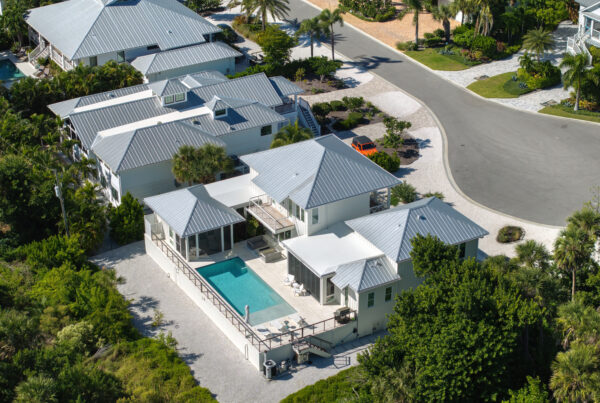
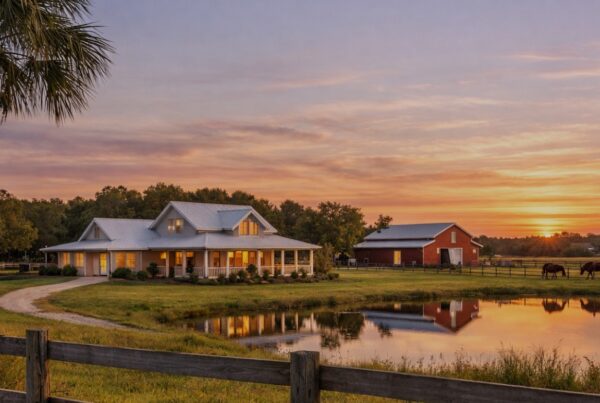
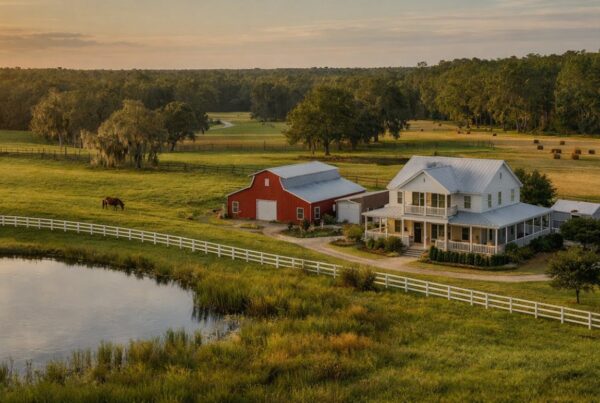
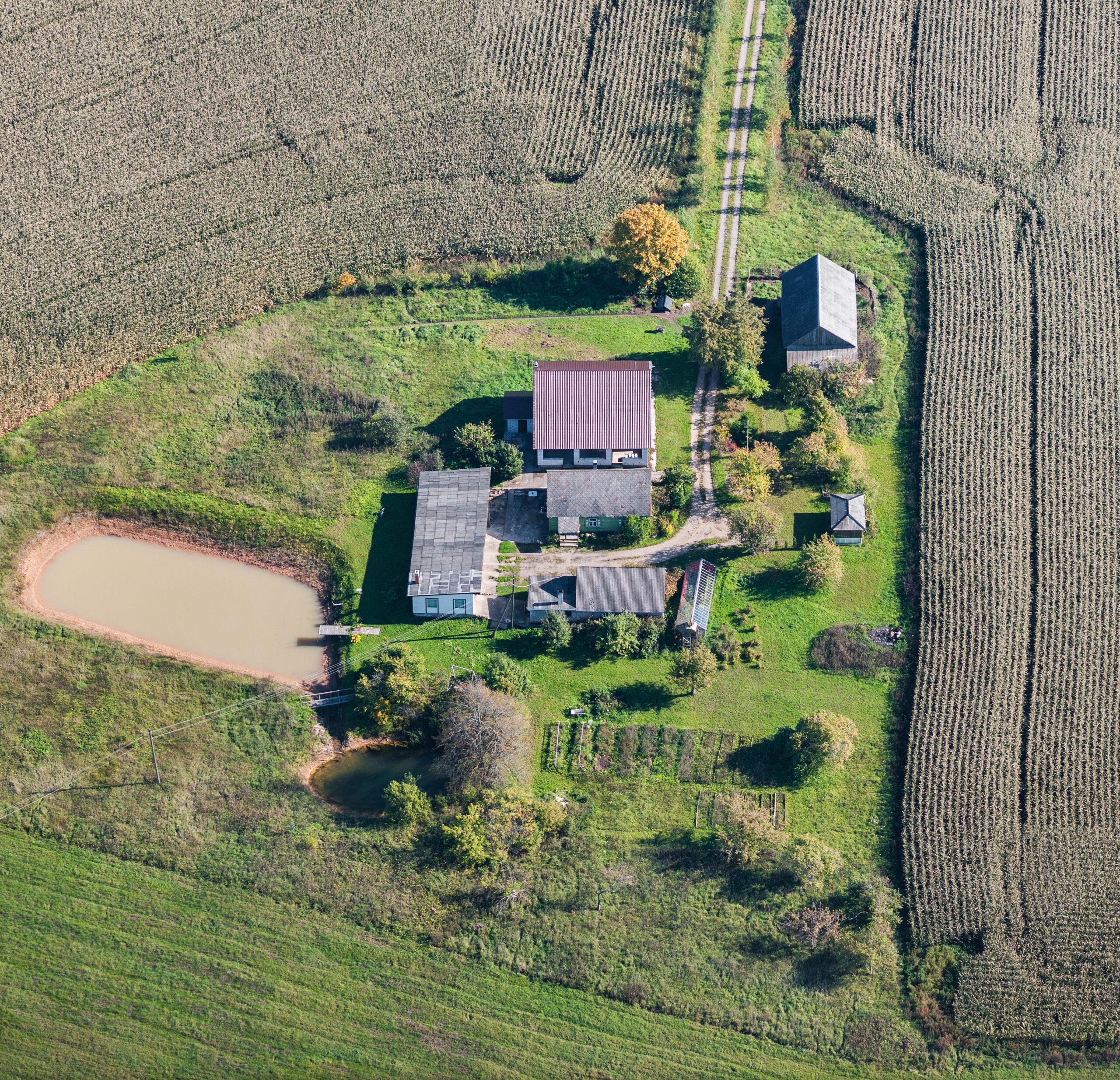
Picture a solid three-bedroom rental on eight acres in a rural county. The rent comfortably covers the payment. The borrower has good credit and reserves. By any common-sense measure, it is a good loan.
Lender A declines it. The reason given is vague: the property does not fit our guidelines. Lender B approves it without drama. The property was never the problem. The two lenders are simply built differently, and that difference is the whole story.
Reason One: Different Investor Appetites
Most DSCR lenders sell their loans into the secondary market in pools. The buyers of those pools each have their own appetite for what kinds of collateral they will accept. Some buyers want only clean suburban properties. Others happily accept rural collateral. A lender selling to a buyer that avoids rural property has no choice but to decline your rural file, even if the loan is sound. A lender selling to a buyer comfortable with rural collateral can say yes. The decline is about the lender’s distribution channel, not your property.
Reason Two: Different Appraisal Practices
Rural appraisals are harder, and lenders handle that difficulty differently. One lender may use an appraisal panel without strong rural coverage, receive a weak or heavily caveated rural appraisal, and decline based on that report. Another lender may have appraisers experienced in rural valuation who can properly support value with the comparable available. Same property, two different appraisal experiences, two different outcomes.
Reason Three: Different Rules on Land and Features
Rural properties come with acreage, wells, septic systems, outbuildings, and private road access. Each DSCR lender draws its own lines on these. One lender caps usable acreage at a low number and treats the rest as worthless. Another counts more land toward value. One lender refuses private well and septic. Another accepts them as routine. One lender stops at any private road. Another is comfortable with a recorded easement. Your property hits some of these lines. Whether that is a decline depends entirely on where the lender drew the line.
Reason Four: Different Definitions of Rural Itself
Lenders do not even agree on what counts as rural. Some lean on the appraiser checking a rural box. Some use population density or distance-to-services data. Some use their own internal maps. A property one lender labels rural and treats cautiously, another lender does not flag as rural at all. The label drives the caution, and the label is not consistent.
What This Means for You
Here is the practical takeaway. A decline on a rural property is a data point about that lender, not a verdict on your deal. If you take the first no as final, you may walk away from a property that three other lenders would have funded. If you assume every lender will say yes, you may waste appraisal fees discovering otherwise. The smart move is neither. The smart move is to get the property in front of the lender most likely to approve it before anything is ordered.
Why a Broker Changes the Math on Rural Deals
This is the single clearest case for working with a broker rather than a single lender. A broker is not locked into one investor appetite, one appraisal panel, or one set of rural rules. A broker can look at a rural property and route it to the DSCR program built to approve it. The same file that would be a decline at a random lender becomes an approval when it is matched correctly from the start.
Do Not Let One No Decide Your Rural Deal
If a rural property has been declined, or you want to skip the declines entirely, get it pre-screened by someone who can shop it. Select Home Loans is a non-QM mortgage broker that places rural DSCR files with the investor partners that actually want them. Contact Nick at Select Home Loans, NMLS #2384002. Call (888) 550-3296 or visit https://www.selecthomeloans.com/dscr-loans/ before you accept a no as final.
Disclaimer
Disclaimer: This article is for general educational purposes and does not constitute lending, legal, tax, or financial advice. Loan programs, guidelines, rates, and property eligibility rules change frequently and vary by lender and by individual borrower scenario. Confirm all current terms directly with a licensed mortgage professional before making a decision. Select Home Loans is a non-QM mortgage broker. NMLS #2384002.