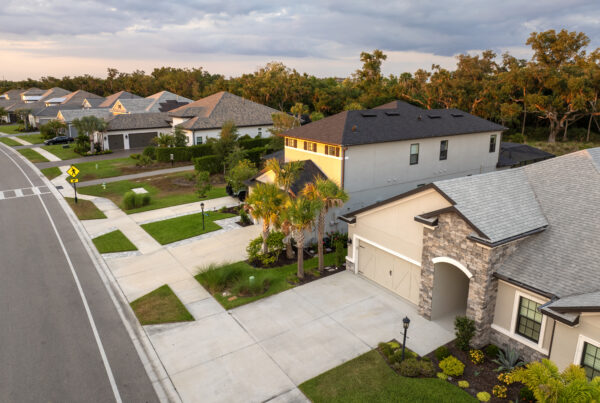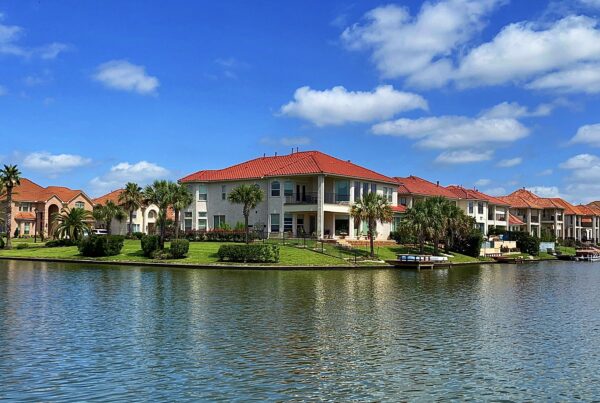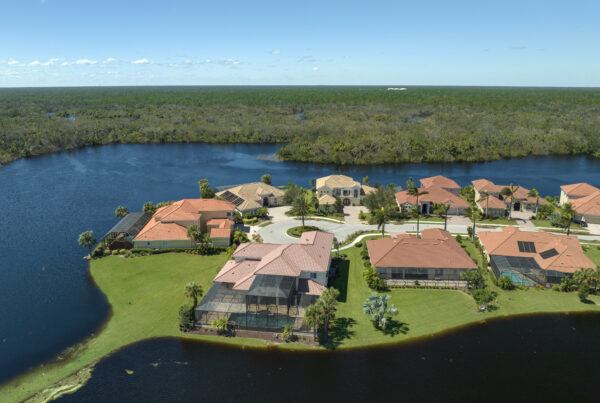

Picture two houses on an investor’s shortlist. The first is a 40-year-old concrete block home a few miles from the coast, priced attractively but carrying an aging roof, original plumbing, and an insurance quote that made the agent apologize before reading it out loud. The second is a brand-new build in Tradition, never lived in, with a builder warranty, a modern roof rated for current wind codes, and an insurance quote that came back at a fraction of the first one. Same city, same price range, two completely different deals once you run the numbers.
This guide is published by Select Home Loans and includes our own services. It is not an independent ranking. Compare current eligibility, costs and service before choosing a provider. Competitor descriptions are general summaries; confirm current details directly with each provider.
This comparison plays out constantly in Port St. Lucie, and it explains why so many investors here end up buying new or nearly new houses as rentals. It also explains why a DSCR loan Port St. Lucie investors can actually use has to handle something most loan programs were never built for: financing a rental property that does not have a tenant yet, because the paint is still drying.
A DSCR loan qualifies the property instead of your paycheck. The lender looks at what the home will rent for against what it costs to own each month. No tax returns, no W-2s, no explaining why your business writes off half its income. For self-employed buyers, investors building portfolios, and out-of-area buyers moving money up the coast from South Florida, it is usually the cleanest path to a rental purchase here.
This guide covers how DSCR loans work in the Port St. Lucie market specifically, which lenders are worth talking to, and the details that matter most in this city: buying new construction from builders as an investor, the community fees that quietly reshape your payment math, and why newer homes carry real advantages on the insurance and reserves side of the file.
The Port St. Lucie Market an Investor Is Actually Buying Into
A big city that still feels affordable by Florida standards
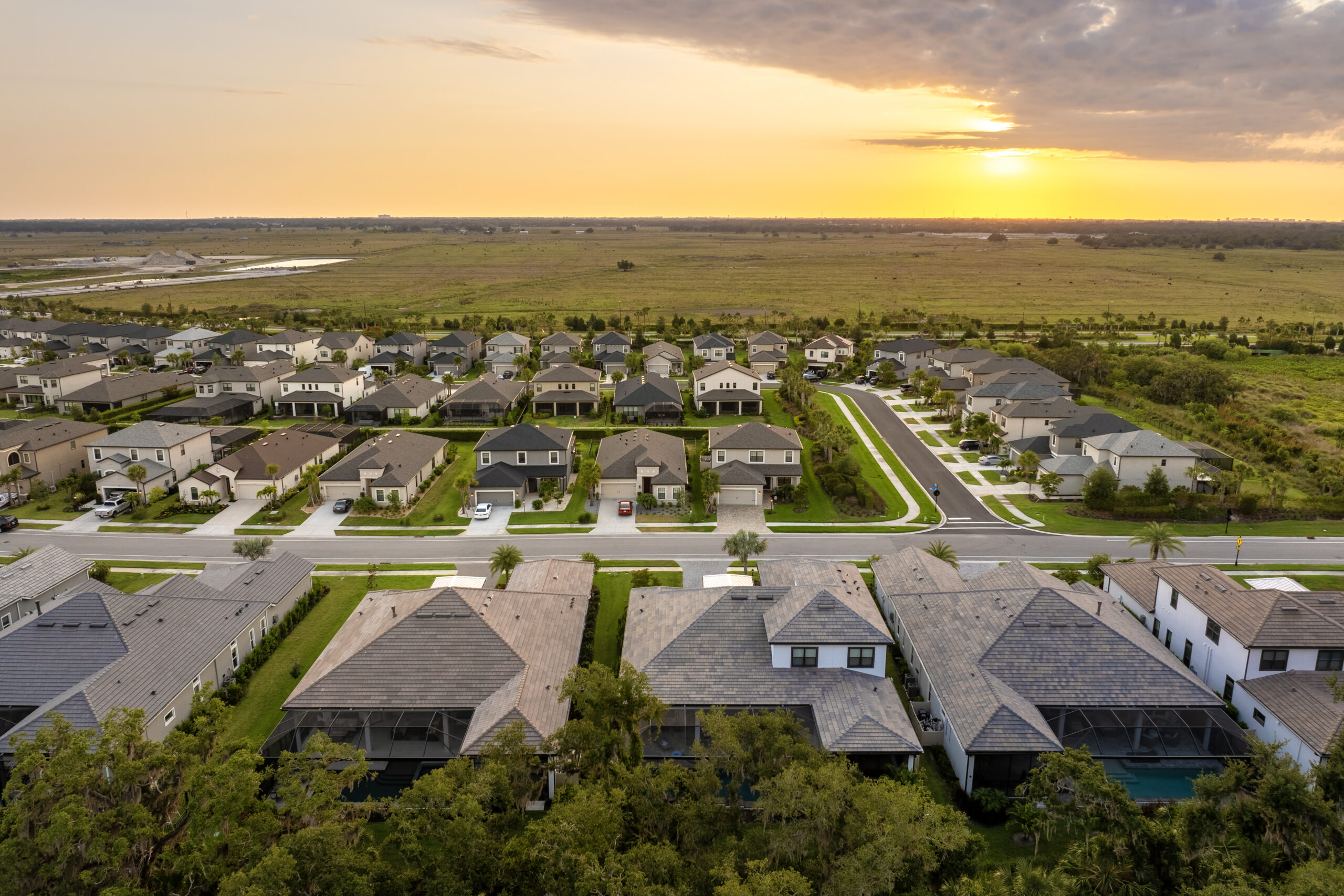
Port St. Lucie has grown into one of Florida’s largest cities, and it has done it fast. Families priced out of Palm Beach, Broward, and Miami-Dade keep moving up the coast, remote workers have discovered they can own a newer house here for less than they were paying in rent down south, and builders have responded with entire communities of new single-family homes. For a rental investor, that combination is hard to find: steady tenant demand from relocating households, plus an inventory of newer houses at price points that still let the rent math work.
Tradition and the westward job growth
The master-planned Tradition area on the city’s west side is the center of gravity for new development. It is not just rooftops. Health care facilities, logistics and distribution operations, and commercial projects have grown alongside the housing, which means tenants can increasingly live and work in the same part of town. St. Lucie West offers a more established version of the same idea, with shopping, offices, and the ballpark anchoring a mature residential area. Torino and the neighborhoods off the Gatlin Boulevard corridor round out the picture with a mix of resale homes and infill new construction on the city’s famous quarter-acre lots.
What the rental pool looks like
The tenant base here skews toward long-term renters: families waiting to buy, medical and logistics workers, retirees testing the area before committing, and remote employees who want space. That matters for DSCR lending because long-term lease income is the simplest income story you can present to a lender. Short-term rental rules vary by city and county across Florida and change over time, so if you are considering anything other than an annual lease, confirm current local requirements before you write an offer.
How a DSCR Loan Prices a Port St. Lucie Rental
The mechanics are simple to state. The lender divides the property’s monthly rent by the full monthly payment: principal, interest, property taxes, insurance, and association dues. Lenders call that payment PITIA. Rent of $2,600 against a $2,400 PITIA produces a ratio of about 1.08, meaning the property covers its own cost with a little room to spare.
If the home is already leased, the lease helps document the income. If it is vacant, and every new-construction purchase is vacant by definition, the appraiser completes a market rent analysis on Form 1007, comparing your property to similar rentals nearby. That market rent figure is what carries the deal.
Three line items deserve extra attention in this market:
- Property taxes on a purchase get reassessed, so use a realistic post-sale estimate rather than the seller’s current bill. On new construction, the current bill may reflect land only, which understates the real number badly.
- Insurance is a Florida-sized variable. Wind coverage, the age of the roof, construction year, and flood zone status all move the premium, and the premium sits inside PITIA, so it directly moves your ratio. Quote insurance early, before you fall in love with a house.
- Association and community fees count. In Port St. Lucie’s newer communities, these can include more than a basic HOA bill, which brings us to the part of the math that surprises out-of-area buyers most.
Buying New Construction as a Rental: Where DSCR Loans Shine
This is the signature move in Port St. Lucie investing, and it deserves a full walkthrough because the process differs from buying a resale home in ways that affect your financing.
Builder contracts are not standard purchase contracts
When you buy from a builder, you sign the builder’s contract, not the standard Florida realtor form. These agreements often run longer, favor the builder on timelines, and may require deposits at contract and at option selection. Closing dates float with construction progress. Your lender needs to be comfortable with that. A DSCR lender who works with new construction regularly will time the appraisal and the loan lock around the builder’s realistic completion window rather than the optimistic date on page one. Ask the builder’s sales office about their process for investor buyers, because some builders limit the number of homes sold to investors in a given community, and some offer incentives that can be applied toward closing costs.
Appraisals in communities that are still being built
Appraising a brand-new house in a community where half the streets are still dirt presents a real question: what are the comparables? In practice, appraisers in fast-growing communities like Tradition’s newer villages lean on recent builder closings, nearby resales of near-identical floor plans, and completed phases of the same development. For the investor, the practical advice is to buy floor plans and lot types that have sold repeatedly rather than the one-of-a-kind model, and to keep upgrades reasonable. Heavily upgraded homes often appraise below their contract price because the upgrade spend does not translate dollar for dollar into value, and on a DSCR loan your down payment is calculated from the lower of price or appraised value.
No tenant, no lease, no problem: the 1007 does the work
A new build has never had a tenant, so there is no lease and no rental history. The Form 1007 market rent analysis stands in for both. The appraiser surveys what comparable homes in the area actually rent for and assigns a market rent figure, and the lender runs the DSCR off that number. This is why new-construction DSCR deals in Port St. Lucie work at all. It is also why you should run your own rent research before going under contract. Look at what similar new homes in the same community are listed for and actually leasing at. If your deal only works at a rent figure no comparable supports, the 1007 will tell on you.
An illustrative example
The numbers below are round figures for illustration only, not market data or a quote.
| Line item | Monthly amount |
| Market rent per Form 1007 | $2,700 |
| Principal and interest | $1,650 |
| Property taxes (post-sale estimate) | $450 |
| Insurance (new build, current wind codes) | $180 |
| HOA plus community development fees | $170 |
| Total PITIA | $2,450 |
DSCR: $2,700 divided by $2,450, or roughly 1.10. The property covers itself. Notice that if this were an older coastal home with an insurance line three times higher, the same rent would no longer carry the payment. That single line is often the difference between the new build qualifying and the older house failing.
The Community Fee Question: HOA and CDD-Style Charges
Here is the Florida reality that catches buyers from other states. Many of Port St. Lucie’s master-planned communities were built using special district financing, where infrastructure like roads, drainage, and amenities is paid off through assessments that show up alongside the property tax bill. These community development district style fees are separate from, and in addition to, the HOA dues that cover landscaping and the clubhouse.
Why does this matter for your loan? Because everything that functions like a required carrying cost belongs in your payment math, and lenders will count required assessments when they compute PITIA. A house with a modest HOA fee but a meaningful annual district assessment is more expensive to carry than the HOA line alone suggests, and your DSCR will reflect it.
Before you write an offer in any newer Port St. Lucie community, ask three questions. What is the monthly HOA amount? Is there a community development district or similar assessment, and how much is it annually? And does the community allow leasing, with what minimum lease term? Some associations impose waiting periods before a new owner can rent, which is a deal-killer for an investor no matter how good the ratio looks. Get the answers in writing from the association or the builder, not from a listing description.
Why Newer Homes Help You on Insurance and Reserves
Insurance underwriting in Florida rewards new construction. A home built to current wind codes, with a new roof, impact windows or rated openings, and modern electrical and plumbing, typically prices dramatically better than an older home, and insurers are far more willing to write the policy at all. Since insurance sits inside PITIA, a lower premium directly raises your DSCR. That is a qualification advantage, not just an expense advantage.
The benefits continue after closing. DSCR lenders commonly require reserves, meaning several months of PITIA in liquid funds after closing, with the exact requirement varying by program. A newer home makes those reserves more likely to stay in your account. No surprise roof replacement, no cast-iron pipe rehab, no air conditioner from two owners ago. Builder warranties typically cover workmanship and systems in the early years, which trims your real-world maintenance risk during exactly the period when a new rental is most financially fragile. None of this shows up in the loan file directly, but it shows up in whether your first two years of ownership go smoothly.
What to Look For in a DSCR Lender Here
Not every lender that offers DSCR loans handles this market’s specifics well. Screen for:
- Comfort with new-construction purchases and builder contract timelines
- Willingness to lend on 1007 market rent with no lease in place
- Correct handling of HOA and district assessments in the payment calculation
- A broad menu, since brokers can shop multiple investor programs for your scenario
- Sensible reserve and seasoning policies for investors buying more than one property
- Clear disclosure of prepayment penalty options and how they trade against pricing
- Responsiveness, because builder closing windows do not wait for slow underwriting
Top DSCR Lenders for Port St. Lucie Investors
1. Select Home Loans
Select Home Loans is a Florida-based mortgage company with a wide menu of Non-QM and investor programs, including DSCR loans, bank statement loans, and P&L loans for self-employed borrowers. Loan amounts run from roughly $100,000 into the multi-million range depending on the program, which covers everything from a Torino starter rental to a portfolio purchase in Tradition. As a broker with access to many investor programs, Select can match a below-break-even ratio, a first-time investor file, or a new-construction purchase with the program that treats it best rather than forcing one lender’s box. Reach Nick at (888) 550-3296 or visit selecthomeloans.com to talk through a specific property.
2. Visio Lending
Visio Lending is a national lender focused almost entirely on rental property finance, with DSCR loans as its core product. The company is known for a high-volume, process-driven approach to single-family rental lending and works with investors across Florida.
3. Griffin Funding
Griffin Funding offers a broad Non-QM lineup that includes DSCR loans alongside bank statement and other alternative documentation programs. It is a fit for investors who may also need a self-employed-friendly loan on their own residence and want one shop for both conversations.
4. LendSure Mortgage Corp
LendSure is a wholesale Non-QM lender known for common-sense underwriting on files that do not fit rigid guidelines, including DSCR scenarios with quirks. Because it works through brokers, investors typically access LendSure programs via a broker relationship rather than directly.
5. Kiavi
Kiavi built its name in fix-and-flip lending and also offers DSCR loans for rental purchases and refinances, with a technology-heavy process. It can suit investors who buy an older Port St. Lucie house to renovate, then refinance into a long-term rental loan.
Program availability, guidelines, and product menus change frequently at every lender, so confirm current options before committing. This list reflects our opinion, and the lenders appear in no particular order.
What Drives Your Terms and What You Will Document
Pricing and terms on a DSCR loan move with a handful of levers, and all of them are program-dependent. Stronger credit depth improves pricing. Lower leverage, meaning a larger down payment, improves both pricing and approval odds. A ratio comfortably above break-even prices better than one hovering at or below it, though some programs will still lend on weak ratios at adjusted terms. Property type matters, with standard single-family homes getting the friendliest treatment. Prepayment penalty structure is a real choice: accepting a longer penalty period usually improves pricing, while a shorter or no-penalty structure costs more, which matters if you may sell or refinance soon.
Documentation is light compared to a conventional file. Expect to provide identification, entity documents if you are buying in an LLC, bank statements showing the down payment and reserves, the purchase or builder contract, insurance quotes, and lease agreements if the property has tenants. No tax returns and no employment verification. Down payments for investor DSCR purchases generally start around the twenty to twenty-five percent range depending on the program, with exact requirements varying by lender and scenario.
Six Mistakes Port St. Lucie Investors Keep Making
- Using the builder’s teaser tax figure. The land-only tax bill on new construction is not your future bill. Estimate taxes on the full purchase price.
- Ignoring district assessments. Buyers compare HOA fees between communities and miss the larger assessment attached to the tax bill. Compare total carrying cost.
- Skipping the rent homework. If ten similar homes in the community are sitting vacant on the rental market, the 1007 may still support your number, but your first year of ownership will not.
- Over-upgrading a rental. Tenants pay for location, space, and condition. The premium lot and the designer package rarely return their cost in rent or appraisal value.
- Quoting insurance last. Even on new builds where the news is usually good, get the quote before the appraisal, not the week of closing.
- Not reading leasing rules. Some communities restrict rentals or impose minimum lease terms. Verify before contract, in writing.
DSCR Versus the Conventional Route for a Rental Here
| Factor | DSCR loan | Conventional investor loan |
| Income documentation | Property rent versus PITIA | Personal tax returns, W-2s, DTI |
| Self-employed friendliness | High, write-offs do not hurt you | Write-offs reduce qualifying income |
| Vacant new construction | Works via 1007 market rent | Possible but income still personal |
| Closing in an LLC | Commonly allowed | Generally not permitted |
| Number of financed properties | Flexible by program | Capped and increasingly difficult |
| Pricing | Typically somewhat higher | Typically lower for strong W-2 files |
A W-2 borrower with clean income and only one or two properties may find conventional pricing attractive. Almost everyone else buying rentals at any scale ends up better served by DSCR.
Who Should Use a DSCR Loan in Port St. Lucie, and Who Should Not
Good fit:
- Self-employed buyers whose tax returns understate real income
- Investors buying new builds in Tradition, Southern Grove, or similar communities with no lease in hand
- South Florida owners exchanging into cheaper, newer inventory up the coast
- Portfolio builders who need LLC vesting and no cap on property count
- Remote workers turning a former residence into a rental and buying the next one
Poor fit:
- Anyone buying a primary residence, since DSCR loans are for investment property only
- Buyers targeting properties that rent far below their carrying cost with no plan to close the gap
- Investors without the down payment and reserves these programs require
- Short-term flippers who would pay a prepayment penalty on a quick exit
Frequently Asked Questions
Can I use a DSCR loan to buy directly from a builder in Tradition?
Yes. The lender works from the builder contract, orders the appraisal with a market rent analysis as completion nears, and closes once the certificate of occupancy is issued. Choose a lender familiar with builder timelines, since completion dates move.
How is DSCR calculated if the house has never been rented?
The appraiser completes a market rent analysis, Form 1007, estimating what the home would lease for based on comparable rentals. The lender divides that market rent by your full monthly payment including taxes, insurance, and association dues.
Do CDD-style assessments count against my DSCR?
Required community assessments are part of your carrying cost, and lenders include required dues and assessments in PITIA. Always get the exact annual figure from the district or builder and convert it to monthly when running your numbers.
What happens if the appraisal comes in below my builder contract price?
The loan is based on the lower of price or value, so you would either renegotiate with the builder, bring more cash, or exit under whatever terms your contract allows. Buying commonly sold floor plans with modest upgrades reduces this risk.
Can I close in an LLC on a Port St. Lucie rental?
Most DSCR programs allow, and some encourage, closing in an LLC or similar entity. You will provide formation documents and typically a personal guaranty. Confirm entity requirements with your lender early.
Is a condo or townhome in St. Lucie West eligible?
Many programs finance condos and townhomes, though association budgets, insurance, and rental policies get reviewed, and terms can differ from detached homes. Non-warrantable condo options exist through some Non-QM programs; availability changes, so confirm current options.
What credit score do I need?
Minimums vary by lender and program. Stronger scores improve pricing and leverage options, while lower scores may still qualify at adjusted terms. Ask for a scenario quote based on your actual profile rather than assuming a published number applies.
How large a down payment should I plan for?
Most investor DSCR purchases start around twenty to twenty-five percent down, with the exact figure driven by program, credit, ratio strength, and property type. Better ratios and stronger credit can open higher-leverage options with some lenders.
Do I need landlord experience to qualify?
Many DSCR programs accept first-time investors, though some price experience favorably or set slightly different terms for newcomers. Owning your own home for a period can satisfy some programs’ housing history expectations.
Can I use a DSCR loan for a short-term rental near the coast?
Some programs allow short-term rental income treatment, and rules differ widely on how that income is documented. Local registration and licensing requirements for short-term rentals vary across Florida and change, so confirm current city and county rules before building a deal around nightly rates.
Will a brand-new home really lower my insurance enough to matter?
Newer construction built to current wind codes with a new roof typically prices significantly better than older housing stock, though every property is quoted individually and flood zone status still matters. Since insurance sits inside your payment, the savings flow directly into a stronger ratio.
Can I refinance an existing Port St. Lucie rental with a DSCR loan?
Yes. Rate-and-term and cash-out DSCR refinances are common, using the current lease or market rent. Investors often use cash-out proceeds from a seasoned rental as the down payment on the next purchase, and options like HELOCs or second mortgages on other properties can serve a similar role.
The Bottom Line on DSCR Loans in Port St. Lucie
Port St. Lucie gives investors something rare in Florida: new and near-new single-family homes at prices where rent can still cover the payment, in a city that keeps adding jobs and residents. A DSCR loan Port St. Lucie investors structure well fits this market naturally, because the 1007 market rent carries brand-new homes with no lease, the lighter insurance load on newer construction strengthens the ratio, and LLC-friendly, no-tax-return underwriting matches how portfolio buyers actually operate. The work is in the details: total community fees, realistic tax estimates, rent numbers the comparables support, and a lender who has done this before.
Programs, guidelines, leverage limits, and reserve requirements change over time and vary by lender, so verify current requirements with a loan expert before making decisions based on this article.
If you are weighing a new build in Tradition against a resale off Gatlin, or you just want to know what ratio your target property would produce, talk it through with someone who runs these numbers every day. Call Nick at Select Home Loans, NMLS #2384002, at (888) 550-3296, or visit selecthomeloans.com to compare loan options and request a quote for your scenario.