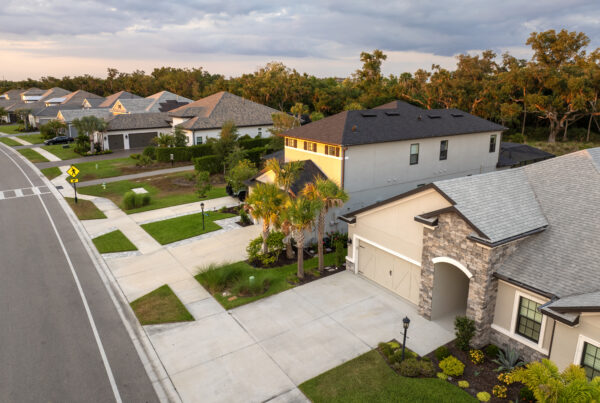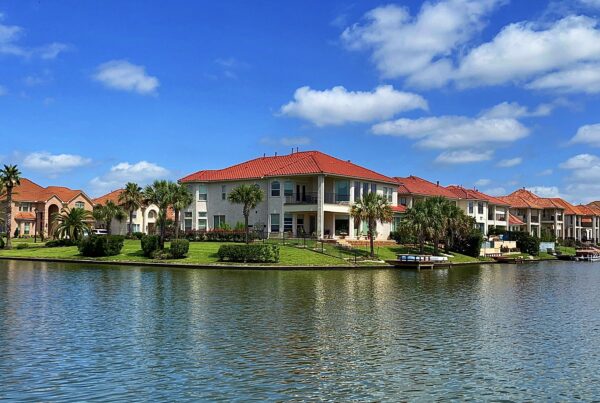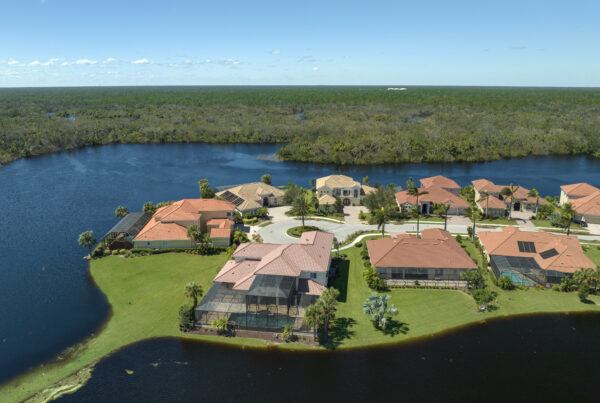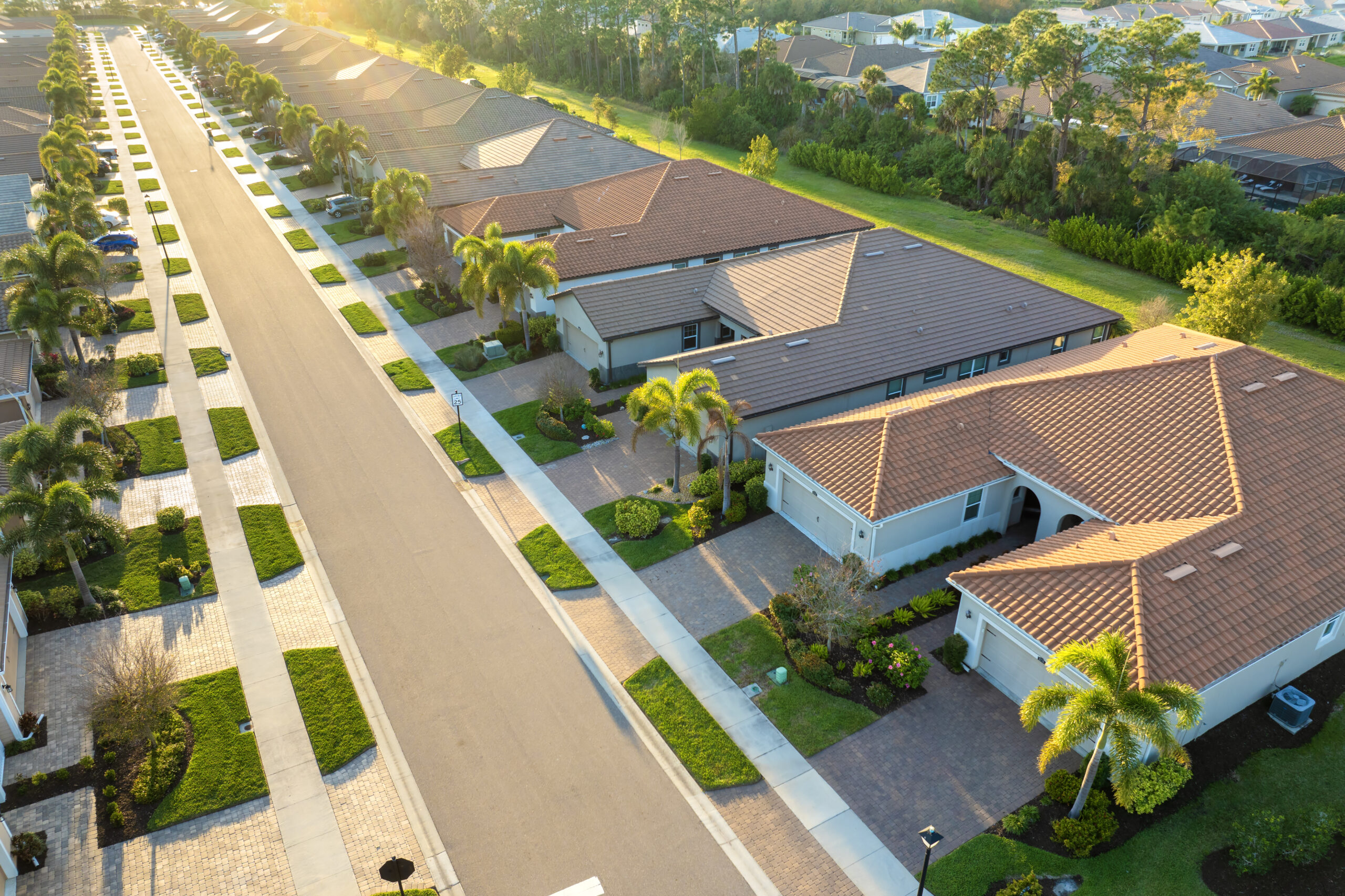

Picture an investor who has spent a year scrolling listings in Tampa, Sarasota, and Miami, running numbers on properties where the purchase price keeps swallowing the rent. Then she looks one county south of Sarasota, at a canal-front home in Port Charlotte listed for less than half of what similar water access costs in the glamour markets. The rent is solid. The math works on the first pass. She stops scrolling and starts writing offers.
That is the Port Charlotte story in miniature. This is a quiet, affordable Gulf Coast market with miles of canals, a steady stream of retirees and workforce renters, and entry prices that let a rental property carry itself. For investors using a DSCR loan in Port Charlotte, that last part matters more than anything, because DSCR lending qualifies the property on its own income rather than on your tax returns.
This guide covers how DSCR loans work for Charlotte County properties, why unglamorous markets often produce the most durable debt service coverage ratios, which lenders are worth your time, and the local wrinkles you need to understand before you buy on a canal. If you are self-employed, own multiple properties, or simply want to keep your personal income out of the underwriting file, this is written for you.
Port Charlotte’s Market: Quiet by Design, Productive by the Numbers
Port Charlotte does not make many national headlines, and that is part of its appeal. The community wraps around the northern edge of Charlotte Harbor, one of the largest natural harbors on Florida’s Gulf Coast, with a canal system threaded through neighborhoods like Gulf Cove, Section 15 near the Cultural Center, El Jobean along the Myakka River, and the newer construction pockets out toward Murdock and the Toledo Blade corridor.
Who actually rents here
Two renter groups anchor demand. The first is retirees, both full-time residents easing into the area before buying and seasonal snowbirds who want a furnished place from roughly November through April. The second is workforce renters: nurses and staff tied to the hospital corridor along Harbor Boulevard, tradespeople working the steady flow of roofing, construction, and marine work in the region, and service employees supporting the Sunseeker Resort development across the harbor and the Tampa Bay Rays spring training operation at Charlotte Sports Park. Neither group is flashy. Both pay rent on time and stay put.
The economic base
Charlotte County’s economy runs on healthcare, construction trades, marine services, retail, and the broader machinery of serving a large retiree population. That mix is not boom-driven. It does not spike the way a tech or tourism economy does, but it also does not crater when a single industry stumbles. For a DSCR borrower, an economy built on healthcare and household services means rental demand that behaves more like a utility than a stock.
The Cape Coral comparison, briefly
Investors often cross-shop Port Charlotte against Cape Coral, its louder neighbor to the south. Both are canal cities carved out in the mid-twentieth century. Cape Coral has more name recognition and more investor competition, and canal-front homes there typically command noticeably higher prices for comparable water access. Port Charlotte offers a similar product, sailboat and powerboat canals leading toward Charlotte Harbor and the Gulf, at a fraction of the entry cost. When your loan qualifies on the ratio of rent to payment, a lower purchase price with respectable rent is not a consolation prize. It is the whole strategy.
How a DSCR Loan Qualifies a Port Charlotte Rental
A DSCR loan, short for debt service coverage ratio loan, is an investor mortgage that qualifies the property instead of the person. Lenders look at one core question: does the rent cover the payment?
The calculation is simple. Take the monthly rent, either the actual lease amount or the market rent from the appraiser’s rent schedule, and divide it by the full monthly payment. That payment is PITIA: principal, interest, property taxes, insurance, and any association dues. Rent divided by PITIA equals your DSCR. A ratio of 1.0 means the property exactly covers its own payment. Above 1.0, it cash flows on paper. Below 1.0, some programs still work but terms tighten.
What you will not hand over: tax returns, W-2s, pay stubs, or employment verification. That is the draw for self-employed borrowers, retirees living on assets, 1099 contractors, and investors whose tax returns show heavy write-offs. If your Schedule C makes conventional underwriters wince, a DSCR loan in Port Charlotte sidesteps the whole conversation. Many investors pair these with bank statement loans or P&L loans for their primary residence needs, but for pure rental acquisitions, DSCR is usually the cleanest tool.
One Florida-specific note: because insurance sits inside PITIA, the cost of property, wind, and flood coverage directly moves your ratio. We will come back to that, because on canal properties it is the single most common surprise.
The Quiet-Market Case: Why Boring Math Beats Glamour Math
Here is the deeper argument for Port Charlotte, and it applies to affordable markets generally. DSCR durability, meaning a ratio that holds up year after year, comes from three things this market has in abundance.
Lower entry prices do the heavy lifting
DSCR is a fraction. The denominator, your PITIA, is driven mostly by loan size. In a market where a rentable three-bedroom home costs a fraction of what it would in Sarasota or Naples, the payment starts small. Rent in affordable markets does not fall proportionally as far as prices do, so the ratio comes out stronger. Investors chasing prestige zip codes often end up at ratios hovering near break-even, financing hope of appreciation. Port Charlotte buyers more often start above 1.0 with room to spare.
Demand from people who are not going anywhere
Retirees relocating to Charlotte County and trades workers rebuilding and re-roofing the region are structural demand, not fad demand. A snowbird who winters near the Cultural Center or Port Charlotte Beach Park tends to come back. A roofer working steady jobs across the county needs annual housing near the work. Vacancy risk is the silent killer of DSCR performance, and this tenant base keeps units filled without the churn of party-town rentals.
Less short-term-rental drama
High-profile vacation markets attract regulatory fights over short-term rentals, and rules can shift under an investor mid-hold. Quieter markets tend to have less of that friction, though Florida cities and counties each maintain their own registration and licensing rules and those rules change. Never assume; confirm current local requirements with Charlotte County before underwriting any nightly-rental strategy. The point is not that regulation does not exist here. It is that a market built on annual and seasonal tenants is less exposed to that risk in the first place.
Snowbirds or Annual Tenants: Two Ways to Run the Same House
Port Charlotte gives you a real choice most markets do not.
An annual lease is the low-maintenance path. One tenant, twelve months, predictable rent, and an easy number for the appraiser’s rent schedule. Most DSCR lenders underwrite this cleanly using the lease or market rent, whichever their program specifies.
The seasonal route rents the home furnished to snowbirds for premium monthly rates during winter, then either sits vacant, rents cheaply in summer, or fills with medium-term tenants like traveling nurses. Gross income can exceed an annual lease, but it is lumpier, requires furnishing, and involves more turnover work. On the financing side, be aware that some DSCR programs qualify seasonal or short-term income differently than a standard lease, and documentation expectations vary by lender. If you plan to run a seasonal model in Gulf Cove or near the harbor, raise it with your broker up front so the loan is structured around how the property will actually operate.
Many Port Charlotte investors land on a hybrid: underwrite the deal to work on an annual lease, then treat any seasonal premium as upside rather than a requirement. That is the conservative posture lenders like to see too.
Canals, Wind, and Water: What the Insurance Line Does to Your Ratio
Canal-front property is the reason many investors come to Port Charlotte, so the costs deserve a plain accounting. Waterfront and near-water homes often sit in mapped flood zones, which generally means flood insurance is required by the lender on top of standard property and wind coverage. All of it lives inside PITIA, which means every insurance dollar directly compresses your DSCR.
A few practical habits protect you:
- Get insurance quotes early, before you are deep into a contract, not after the appraisal comes back.
- Ask about the roof. Charlotte County saw significant storm damage in recent years, and large portions of the housing stock now carry newer roofs as a result. A recent roof, along with hurricane-rated openings and other mitigation features documented on a wind mitigation inspection, can meaningfully improve insurability.
- Check the flood zone and elevation situation on any canal lot in areas like Gulf Cove or El Jobean before you fall in love with the dock.
- Reprice the deal after real quotes arrive. A property that looked like a comfortable ratio with guessed insurance numbers can land differently with actual ones.
None of this makes canal property a bad investment here. It makes it an investment you underwrite with real numbers instead of hope.
An Illustrative Port Charlotte Deal
The figures below are a simplified illustrative example with round numbers, not market data or a quote.
| Item | Amount |
| Purchase price | $300,000 |
| Down payment (20%) | $60,000 |
| Loan amount | $240,000 |
| Monthly principal and interest | $1,700 |
| Monthly taxes | $300 |
| Monthly insurance (property, wind, flood) | $400 |
| Total monthly PITIA | $2,400 |
| Monthly market rent | $2,650 |
| DSCR | 2,650 ÷ 2,400 = approximately 1.10 |
At roughly 1.10, this property covers its own payment with a cushion, the kind of profile many DSCR programs price favorably. Notice what the example shows: even with a healthy insurance line built in for a Florida property, the modest purchase price keeps PITIA low enough for the rent to clear it. Run the same rent-to-price relationship in a market where the equivalent house costs twice as much and the ratio collapses. That is the quiet-market case in one table. Your actual numbers will depend on current pricing, taxes, insurance quotes, and the appraiser’s rent schedule, so treat this purely as a framework.
How to Pick a DSCR Lender for Charlotte County
Before comparing names, compare capabilities. Look for:
- Real Florida experience, including comfort with flood zones and wind mitigation credits
- Flexible treatment of the ratio itself, including options when a deal sits near or below 1.0
- Sensible handling of seasonal and medium-term rental income if that is your plan
- Transparent prepayment penalty structures with buy-out options
- The ability to close in an LLC, which most Florida investors prefer
- Loan amounts that fit your target, from modest single-family homes to small portfolios
- Responsiveness, because good Port Charlotte inventory does not sit long at fair prices
Top DSCR Lenders Serving Port Charlotte Investors
1. Select Home Loans
Select Home Loans is a Florida-based mortgage company with a wide menu of Non-QM and investor programs, including DSCR loans, bank statement loans, and P&L options for self-employed borrowers. Loan amounts run from roughly $100,000 into the multi-million range depending on program, which fits everything from a starter rental in Section 15 to a canal-front portfolio. As a broker, Select shops your scenario across multiple investor programs rather than forcing it into one box, and its treatment of the coverage ratio is flexible, with options for strong deals and for properties that need creative structuring. Reach Nick at (888) 550-3296, NMLS #2384002, or visit selecthomeloans.com.
2. Visio Lending
Visio Lending is one of the longest-tenured national DSCR specialists, focused almost entirely on rental property finance, including vacation and seasonal rentals. Its narrow focus means processes built specifically for investors, and it is a familiar name among landlords who value predictable, repeatable closings.
3. LendSure Mortgage Corp
LendSure is a Non-QM wholesale lender offering DSCR programs alongside bank statement and other alternative documentation products. It is known for manual, common-sense underwriting that can accommodate scenarios automated systems reject, which suits borrowers with layered or unusual files.
4. RCN Capital
RCN Capital is a national private lender serving real estate investors with long-term rental loans plus short-term bridge and renovation financing. Investors buying Port Charlotte properties that need work before they rent may appreciate having rehab-to-rental options under one roof.
5. Kiavi
Kiavi is a technology-forward lender offering DSCR rental loans and fix-and-flip financing with a largely online process. Investors who prioritize speed and a digital experience, and who have a clean, conventional-shaped investment scenario, tend to be its best fit.
This list reflects our opinion, and apart from our own placement it is presented in no particular order. Program availability changes, so confirm current options directly with any lender.
What Shapes Your Terms and What You Will Document
Pricing and terms on a DSCR loan move with a handful of levers, all program-dependent and set by each lender’s investor guidelines: credit depth, down payment or equity position, the strength of the coverage ratio, property type, whether the deal is a purchase or a cash-out refinance, and the prepayment penalty structure you select. Stronger credit, more equity, and a higher ratio generally earn better pricing. Longer prepay penalties usually trade for better terms, while shorter or no-penalty structures cost more.
Down payments for investor DSCR purchases commonly land in the twenty to twenty-five percent range, though exact requirements vary by program and scenario. Documentation is light compared to a conventional loan: expect a credit pull, an appraisal with a rent schedule, proof of reserves, insurance evidence including flood where required, entity documents if closing in an LLC, and the lease if one exists. No tax returns, no employment file.
Mistakes That Sink Port Charlotte Deals
- Guessing at insurance on a canal home, then watching the ratio shrink when real flood and wind quotes arrive.
- Underwriting a seasonal-rental income fantasy instead of proving the deal works on an annual lease first.
- Ignoring roof age. An older roof can complicate insurance and inspections in this market more than almost any other single item.
- Skipping the flood zone check on waterfront lots in Gulf Cove, El Jobean, and similar areas until late in the contract.
- Choosing the longest prepayment penalty for the best pricing, then refinancing early and paying for it.
- Forgetting reserves. Most programs want several months of PITIA in the bank after closing, and thin post-closing liquidity kills otherwise good files.
DSCR Versus the Conventional Route
| Factor | DSCR Loan | Conventional Investor Loan |
| Income proof | Property rent vs PITIA | Tax returns, W-2s, DTI |
| Self-employed friendly | Yes, by design | Often difficult |
| Close in an LLC | Commonly allowed | Generally not |
| Property count limits | Flexible | Capped |
| Speed and paperwork | Lighter file | Heavier file |
| Pricing | Typically somewhat higher | Typically lower for strong W-2 files |
If you have simple W-2 income, few properties, and time to document everything, conventional financing may price better. If you are self-employed, scaling, or protecting privacy through an entity, DSCR usually wins on practicality.
Who Should Use a DSCR Loan Here, and Who Should Not
Good fit: self-employed buyers with write-off-heavy returns, investors building beyond conventional property limits, retirees deploying savings into income property, out-of-state and out-of-area buyers drawn by Port Charlotte’s price-to-rent math, and anyone closing in an LLC.
Poor fit: buyers intending to live in the home, since DSCR loans are strictly for investment property, borrowers with easy W-2 income and only one or two properties who can accept conventional paperwork for better pricing, and speculators counting on appreciation to rescue a property that cannot cover its own payment.
The Wider Triangle: North Port and Punta Gorda
Port Charlotte sits in a triangle with North Port to the northwest and Punta Gorda across the harbor, and many investors end up owning in more than one. North Port skews toward newer construction and workforce families. Punta Gorda carries the historic downtown, a walkable harborfront, and generally higher price points. Port Charlotte typically offers the most affordable entry of the three with the deepest canal inventory. A DSCR lender comfortable with one is comfortable with all three, which makes the triangle a natural footprint for building a small portfolio one property at a time.
Frequently Asked Questions
Can I use a DSCR loan for a seasonal snowbird rental in Port Charlotte?
Often yes, but programs treat seasonal income differently than annual leases, and documentation expectations vary. Tell your broker the operating plan before applying so the file is built for it.
Do DSCR lenders accept the appraiser’s market rent if the home is vacant?
Generally yes. The appraisal includes a rent schedule estimating market rent, and vacant purchases are typically underwritten from that figure per program rules.
Is flood insurance always required on Port Charlotte canal homes?
If the property sits in a mapped special flood hazard area and the loan is secured by it, lenders generally require flood coverage. Zones vary lot by lot, so check early.
Can I buy a Port Charlotte rental through my LLC?
Most DSCR programs allow, and many investors prefer, closing in an LLC. Expect to provide entity documents and personally guarantee the loan in most cases.
What happens if my ratio comes in below 1.0?
Some programs still lend below 1.0 with adjusted terms, often more equity or different pricing. Others set floors. This is exactly where a broker shopping multiple programs earns their keep.
How much do I need in reserves?
It varies by program, but several months of PITIA after closing is a common expectation. More reserves generally strengthen the file.
Are condos near Charlotte Harbor eligible?
Many are, though condo projects get extra review and association dues join the PITIA, lowering the ratio. Non-warrantable condos may need specialty programs, and availability changes, so confirm current options.
Can a retiree with no job income qualify?
Yes. DSCR underwriting does not verify employment or personal income, which makes it a common tool for retirees converting savings into rental cash flow.
Do these loans have prepayment penalties?
Most DSCR loans carry them for an initial period, with structures varying by program. You can usually trade a shorter or waived penalty for different pricing.
How fast can a Port Charlotte DSCR purchase close?
Timelines depend on the appraisal, insurance quoting, and title work, but the light documentation typically makes DSCR files faster than conventional investor loans. Ordering insurance quotes early is the best way to protect your closing date.
Can I do a cash-out refinance on a rental I already own here?
Yes. DSCR cash-out refinances are common for pulling equity out of a performing rental to fund the next purchase, subject to seasoning and equity requirements that vary by program.
Does storm history hurt my ability to finance here?
Not inherently. Lenders finance Charlotte County properties every day. What matters is the individual property’s insurability, roof condition, and flood status, all solvable with early diligence.
The Bottom Line on DSCR Lending in Port Charlotte
The best DSCR markets are rarely the loudest ones. Port Charlotte pairs affordable entry prices with dependable demand from retirees and working tenants, and it offers canal-front living at a cost its flashier neighbors cannot touch. That combination produces exactly what a DSCR loan in Port Charlotte is built to measure: rent that comfortably clears the payment, year after year.
Underwrite insurance with real quotes, respect the flood map, prove the deal on an annual lease, and let any seasonal premium be gravy. Do that, and this quiet market can outperform portfolios assembled in far more famous zip codes.
Keep in mind that loan programs, qualification standards, and local rental regulations all change over time. Verify current guidelines with a loan expert before making decisions.
Ready to run your numbers? Speak with a mortgage expert who works these programs daily. Call Nick at Select Home Loans, (888) 550-3296, NMLS #2384002, or visit selecthomeloans.com to compare DSCR options and request a quote for your Port Charlotte investment.