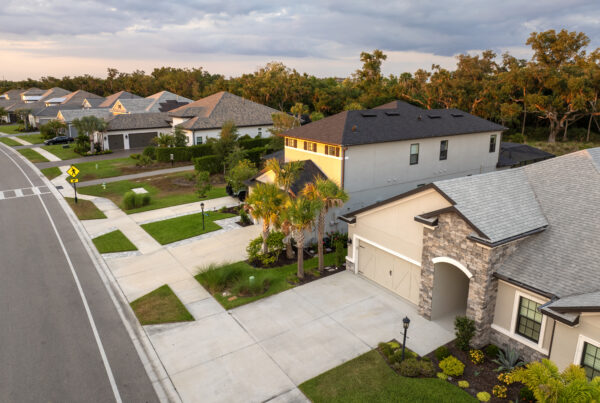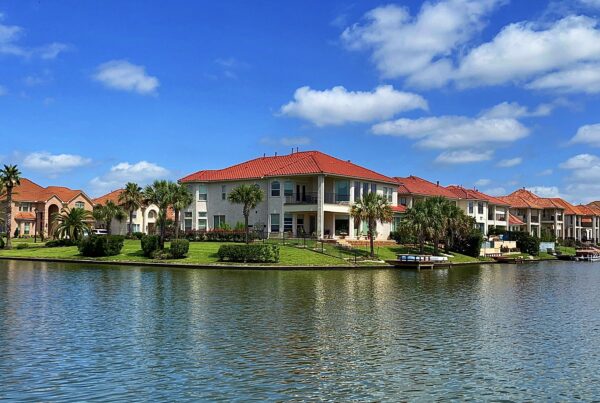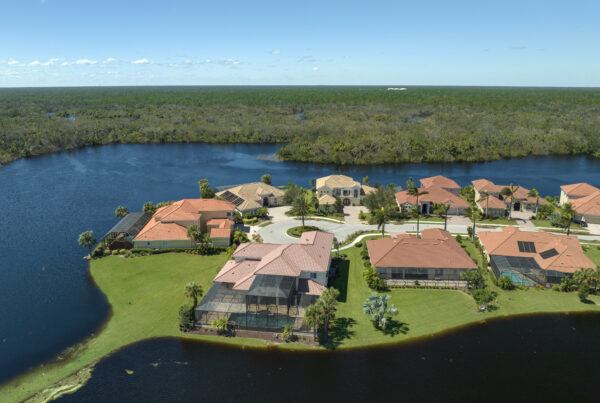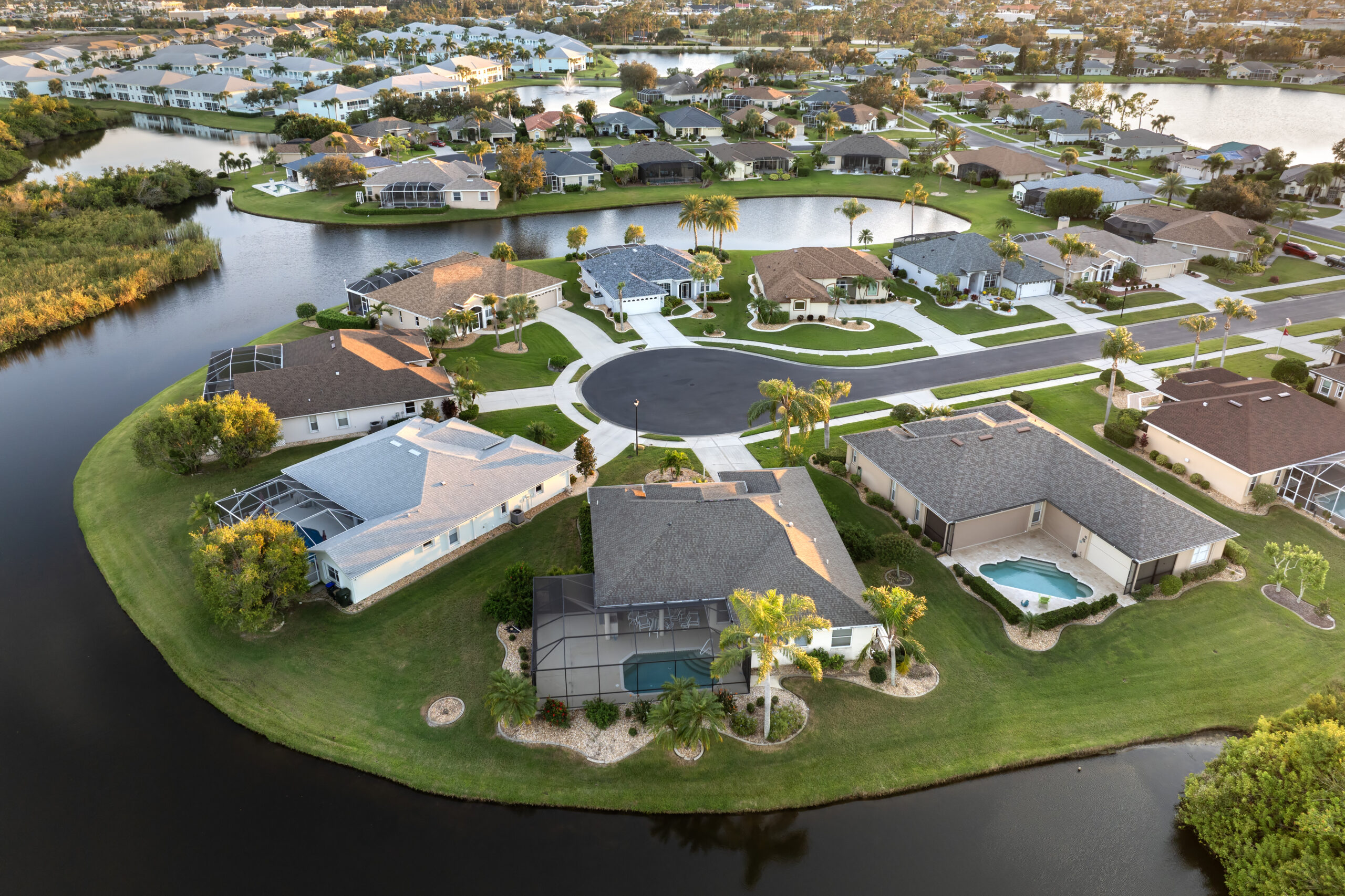

Picture an investor standing in a rebuilt bungalow in the Cove, a few blocks off Cherry Street. The floors are new, the windows are impact rated, and the roof overhead was installed within the last few years to the current Florida Building Code. That roof is not just a selling point. When the insurance quotes come back, a documented new roof with hurricane straps and a wind mitigation report can mean a meaningfully better premium than a tired 20-year-old shingle roof a mile away. And because insurance sits inside the monthly payment a DSCR lender measures rent against, that roof can be the difference between a file that qualifies comfortably and one that squeaks by.
This guide is published by Select Home Loans and includes our own services. It is not an independent ranking. Compare current eligibility, costs and service before choosing a provider. Competitor descriptions are general summaries; confirm current details directly with each provider.
That is the quiet story of investing in Panama City right now. Hurricane Michael tore through this market in 2018, and the years since have produced something unusual: a mid-sized Gulf Coast city where a large share of the housing stock is newer, stronger, and built to tougher standards than what stood before. For an investor using a DSCR loan Panama City properties can pencil in ways that older coastal markets often cannot.
A DSCR loan qualifies you on the property’s rent instead of your personal tax returns. No W-2s, no pay stubs, no explaining why your Schedule C shows aggressive write-offs. If the rent covers the payment, the deal can stand on its own.
This guide covers how DSCR loans work in Bay County, why the rebuilt housing stock changes the insurance math, what Tyndall Air Force Base means for tenant demand, how Panama City proper compares with Panama City Beach as a rental strategy, and which lenders are worth calling first.
Two Cities Separated by a Bridge, and Why the Difference Matters
Out-of-area investors constantly blur Panama City and Panama City Beach together. They are two separate cities with separate governments, separate rental rules, and very different tenant bases. Getting the distinction right is step one of underwriting a deal here.
Panama City Proper: The Year-Round Town
Panama City is the working city on the east side of the Hathaway Bridge. Downtown along Harrison Avenue has been rebuilding steadily since the storm, St. Andrews has its marina, restaurants, and a walkable historic core, and the Cove offers tree-lined streets and bayou-front lots that attract long-term residents. Tenants here are hospital staff from the medical corridor, shipyard and port workers, teachers, and a heavy concentration of military and defense-contractor households. Rentals in these neighborhoods are mostly annual leases, which means predictable occupancy and a clean long-term rent figure for a DSCR appraisal.
Panama City Beach: The Vacation Economy Across the Bridge
Cross the Hathaway Bridge and you are in Panama City Beach, a separate municipality built around Gulf-front tourism. Condo towers along Front Beach Road, cottages near Pier Park, and homes in communities off Back Beach Road serve a short-term rental economy that has operated for decades. Vacation rentals are an established part of the local fabric, but licensing, registration, and tax collection rules are set locally and at the state level, and they change. Confirm the current requirements with the city and Bay County before you underwrite any short-term rental deal.
Tyndall’s Rebuild and the Tenant Pipeline
Tyndall Air Force Base, just southeast of town, took catastrophic damage in 2018 and has been the subject of one of the largest base reconstruction efforts in Air Force history. The rebuild itself brings waves of contractors and construction professionals who need housing, and the base’s long-term mission brings rotating military families with reliable housing allowances. For a landlord in Parker, Callaway, or the east side of Panama City, that is a durable tenant pipeline: renters with steady income, defined tour lengths, and a strong incentive to keep the lease in good standing.
How a DSCR Loan Measures a Panama City Rental
The mechanics are simple by design. The lender orders an appraisal with a market rent analysis. The ratio is the property’s monthly rent, or market rent, divided by the full monthly payment: principal, interest, property taxes, insurance, and any association dues. Lenders call that payment PITIA.
Rent above the payment produces a ratio over 1.0, which most programs like to see. Some lenders price stronger ratios better, and some programs accept ratios below 1.0 with more equity in the deal. Every threshold is program dependent, so treat any number you see online as a starting point rather than a rule.
Notice what is not in the formula: your salary, your tax returns, your debt-to-income ratio. That is the entire appeal for self-employed borrowers, contractors chasing the Tyndall rebuild, and investors who already own several financed properties. It is the same documentation philosophy behind bank statement loans and P&L loans, just applied to investment property.
In Bay County, the insurance line deserves your closest attention. Wind coverage is a real cost anywhere on the Panhandle, and flood insurance applies in mapped zones near the bays, bayous, and the Gulf. Both sit inside PITIA, so both push directly on your ratio. Quote insurance during due diligence, not the week before closing.
The Newer-Stock Advantage: What a Rebuilt Market Does for Your Ratio
Here is the angle most out-of-town investors miss entirely. Because so much of Panama City’s housing was rebuilt, re-roofed, or newly constructed after 2018, the market carries an unusually high share of homes with modern roofs, updated openings, and construction that meets current Florida Building Code standards.
Why does that matter to a DSCR file? Florida insurers price heavily around roof age, roof shape, and wind mitigation features. A home with a recent roof, hurricane straps or clips, and impact-rated or shuttered openings will generally quote better than a comparable older home without them, sometimes dramatically so. A wind mitigation inspection documents those features, and in Florida insurers are required to recognize qualifying mitigation credits. The exact savings vary by carrier and property, so no one can promise a figure, but the direction is consistent: newer, stronger construction tends to mean a friendlier insurance line.
Since insurance lives inside PITIA, a friendlier insurance line lowers the denominator of your ratio. Same rent, smaller payment, stronger DSCR. In a rebuilt market, the newer-stock advantage is not cosmetic. It is arithmetic.
Practical moves that follow from this:
- Ask for the roof permit date and any wind mitigation report before you write an offer.
- Prefer post-storm roofs and rebuilt or new construction when two deals otherwise look similar.
- Order your own wind mitigation inspection on any property that lacks a current report. It is one of the cheapest documents in real estate relative to what it can do for your premium.
- Check the flood zone early. A rebuilt house in a mapped flood zone still carries a flood premium inside PITIA.
Town or Beach: Two Strategies, Two Ratios
The bridge is a strategy line. On the town side you are buying stable, year-round cash flow with lower insurance exposure the farther you sit from open water. On the beach side you are buying higher revenue potential with higher costs, more management, and coastal insurance pricing.
The examples below are illustrative only, with round numbers invented for teaching purposes. They are not market data, quotes, or projections.
Illustrative Example 1: A Long-Term Rental in the Cove
An investor buys a rebuilt three-bedroom bungalow in the Cove with a new roof and a clean wind mitigation report. The appraiser’s market rent comes in at $2,000 per month. The full monthly payment, including principal, interest, taxes, and insurance, totals $1,600.
DSCR = $2,000 divided by $1,600 = 1.25.
A ratio like that gives the file breathing room and can help pricing under many programs. The new roof did real work here: a weaker insurance quote on an older roof could have added enough to the payment to pull the ratio noticeably lower.
Illustrative Example 2: A Short-Term Rental Condo in Panama City Beach
The same investor considers a two-bedroom Gulf-view condo near Pier Park. Using the appraisal’s monthly market rent figure of $3,600, the full monthly payment, including principal, interest, taxes, insurance, and association dues, totals $3,200.
DSCR = $3,600 divided by $3,200 = 1.13.
Gross income is higher, but coastal insurance and condo association dues fatten the denominator. The deal still works, and peak-season performance may exceed the underwriting rent, but the qualifying ratio is thinner and the file leaves less margin for surprises. Note that how a lender credits short-term rental income varies widely by program, and condo projects themselves get reviewed, especially buildings with heavy nightly-rental use.
Neither side of the bridge is the wrong answer. The town side qualifies more easily and runs itself; the beach side can out-earn it with more effort and more line items. Plenty of investors eventually hold both.
How to Pick a DSCR Lender for a Bay County Deal
Before you commit a deposit, screen lenders on the points that actually matter here:
- Experience with Florida coastal properties and comfort with Panhandle wind and flood insurance costs
- Clear policy on short-term rental income if you are buying in Panama City Beach
- Ability to handle condos, including buildings with significant rental activity
- Loan amount range that fits your deal, from modest town-side bungalows to Gulf-front condos
- Transparent prepayment penalty options, since structures vary and affect your exit
- Willingness to lend to an LLC, which most investors here prefer
- Responsive processing, because insurance quoting in Florida adds steps that punish slow lenders
Top DSCR Lenders for Panama City Investors
1. Select Home Loans
Select Home Loans is a Florida-based mortgage company with a deep menu of Non-QM and investor programs, including DSCR loans, bank statement loans, and P&L loans. Loan amounts run from roughly $100,000 into the multi-million range depending on the program, which covers everything from a Callaway duplex to a Gulf-front condo. As a broker with access to many investor programs, Select can shop a file that one lender declines, which matters in a market where insurance costs and condo reviews can complicate approvals. DSCR treatment is flexible across programs, including options for short-term rental income and ratios that need extra structuring. Reach Nick at (888) 550-3296, NMLS #2384002, or visit selecthomeloans.com.
2. Lima One Capital
Lima One Capital is a national investor-focused lender known for rental loans, portfolio products, and construction financing. Investors who plan to buy, renovate, and hold in recovering neighborhoods often like having rental and rehab lending under one roof.
3. Kiavi
Kiavi built its reputation on a technology-driven process for fix-and-flip and rental loans. Its streamlined platform appeals to investors who value speed and a largely online experience for standard single-family rental deals.
4. LendSure
LendSure is a Non-QM wholesale lender with a broad alternative-documentation lineup that includes DSCR programs. Its products typically reach borrowers through brokers, and it is known for manual, common-sense underwriting on files that need a closer look.
5. Griffin Funding
Griffin Funding is a national lender with a wide Non-QM menu, including DSCR loans and bank statement programs, and it markets actively to self-employed borrowers and investors. It also has experience serving military and veteran borrowers, which fits a Tyndall-adjacent market.
Program availability for specialty scenarios such as condotels, foreign nationals, or non-warrantable condos changes over time, so confirm current options with each lender. This list reflects our opinion, and lenders are presented in no particular order.
What Shapes Your Terms and What You Will Need
Pricing and terms on a DSCR loan move with a handful of levers, all program dependent. Stronger credit generally earns better pricing. Larger down payments lower the lender’s risk and usually improve terms; investors here commonly plan for a meaningful down payment, with exact minimums varying by lender. A stronger ratio helps, as does a simpler property type: a single-family home in the Cove is an easier file than a nightly-rental condo tower unit. Prepayment penalty structure matters too, since accepting a longer penalty period often improves pricing while limiting your flexibility to sell or refinance early.
Documentation is light compared with a conventional loan. Expect to provide identification, entity documents if you are closing in an LLC, bank statements showing the down payment and reserves, the purchase contract, insurance quotes, and any current lease. The appraisal with its market rent analysis does the heavy lifting. No tax returns, no employment verification.
Mistakes Panama City Investors Keep Making
- Quoting insurance last. In this market the insurance line can make or break the ratio. Get wind, flood, and hazard quotes during your inspection period.
- Ignoring roof age. Two similar houses on the same street can carry very different premiums based on roof year and mitigation features. Buy the newer roof or price in the difference.
- Assuming beach rules apply in town, or the reverse. Panama City and Panama City Beach regulate rentals separately. Verify the rules for the specific city, and the county for unincorporated areas.
- Skipping the flood map check. Proximity to St. Andrew Bay, the bayous, and the Gulf puts many parcels in mapped flood zones, and that premium lives inside PITIA.
- Underestimating association dues on beach condos. Dues cover master insurance and coastal maintenance, and they sit in your payment calculation whether you like them or not.
- Choosing the longest prepayment penalty for the best pricing without an exit plan. If you may sell or refinance within a few years, model that cost first.
DSCR Versus the Conventional Route
| Factor | DSCR Loan | Conventional Investment Loan |
| Income proof | Property rent versus PITIA | Tax returns, W-2s, DTI review |
| Self-employed friendly | Yes, by design | Often difficult after write-offs |
| Close in an LLC | Commonly allowed | Generally not permitted |
| Property count limits | Flexible, program dependent | Capped financed-property limits |
| Short-term rental income | Some programs credit it | Rarely usable for qualifying |
| Best for | Investors scaling on cash flow | W-2 borrowers with simple files |
Who Should Use a DSCR Loan Here, and Who Should Not
A DSCR loan fits well if you are self-employed or write off aggressively, you are buying in an LLC, you already own several financed properties, you are a contractor or military-connected buyer with non-traditional income, or you simply want qualification to rest on the deal rather than your paperwork.
It is a poor fit if you are buying a primary residence, since DSCR loans are for investment property only. It also makes less sense if you have clean W-2 income, few properties, and time to document everything, or if the property’s realistic rent cannot approach the payment even with strong equity.
FAQ: DSCR Loans in Panama City
Can I use a DSCR loan for a short-term rental in Panama City Beach?
Many programs can credit short-term rental income, though the method varies: some use the appraiser’s market rent, others consider documented rental history. Confirm the lender’s approach and the city’s current licensing rules before you commit.
Do lenders treat Panama City and Panama City Beach differently?
The loan mechanics are identical, but the inputs differ. Beach properties usually carry higher insurance and often association dues, and condo projects get additional review. Town-side single-family homes tend to produce simpler files.
Does a new roof really change my loan qualification?
Indirectly, yes. Roof age and wind mitigation features influence insurance pricing, insurance sits inside PITIA, and PITIA is the denominator of your ratio. A better premium means a stronger DSCR on the same rent.
Is military rental income near Tyndall viewed favorably?
Lenders qualify the property on market rent, not the tenant’s employer. That said, a market fed by base housing allowances tends to support steady occupancy, which helps the investment perform after closing.
What credit score do I need?
Minimums vary by lender and program. Stronger credit generally improves pricing and leverage. If your score is borderline, a broker can match you with programs built for your profile.
How much should I plan to put down?
Down payment requirements are program dependent. Investment lending generally requires more equity than owner-occupied lending, and stronger ratios or credit can improve your options. Get scenario-specific numbers from a loan expert.
Can I close in an LLC?
Most DSCR programs allow it, and many investors prefer it for liability and portfolio reasons. Have your entity documents ready early.
What if my ratio comes in below 1.0?
Some programs accept sub-1.0 ratios with more equity or adjusted pricing. Others will not. This is exactly the situation where shopping multiple investor programs through a broker earns its keep.
How long does closing take?
Timelines vary by lender and file complexity, but DSCR loans often move faster than full-documentation loans because there is less income paperwork. In Florida, insurance quoting is the step most likely to slow you down, so start it immediately.
Do I need flood insurance?
Only if the property sits in a mapped flood zone and the lender requires it, though coverage can be worth considering near water regardless. Check the flood map during due diligence because the premium affects your ratio.
Can I refinance an existing rental with a DSCR loan?
Yes. Rate-and-term and cash-out refinances are common, and investors who rebuilt equity after the storm sometimes use cash-out proceeds to buy the next property. Related tools like HELOCs and second mortgages may also fit, depending on goals.
Are there prepayment penalties?
Most DSCR loans carry them, with structures that vary by program. Shorter or no-penalty options usually cost more in pricing. Match the structure to how long you plan to hold.
The Bottom Line on DSCR Lending in Panama City
Panama City offers something rare on the Gulf Coast: a rebuilt market where newer roofs and stronger construction can work in your favor on the insurance line, a military-anchored tenant base that keeps town-side rentals occupied, and a famous beach market one bridge away for investors who want short-term rental upside. A DSCR loan Panama City investors can actually close on comes down to matching the property, the insurance reality, and the right program.
Programs, qualification requirements, and local rental rules all change over time. Verify current guidelines with a loan expert and confirm city and county rental regulations before you buy.
Ready to run your numbers? Call Nick at Select Home Loans at (888) 550-3296, NMLS #2384002, or visit selecthomeloans.com to compare DSCR loan options, request a quote, and get a clear read on what your next Bay County property can qualify for.