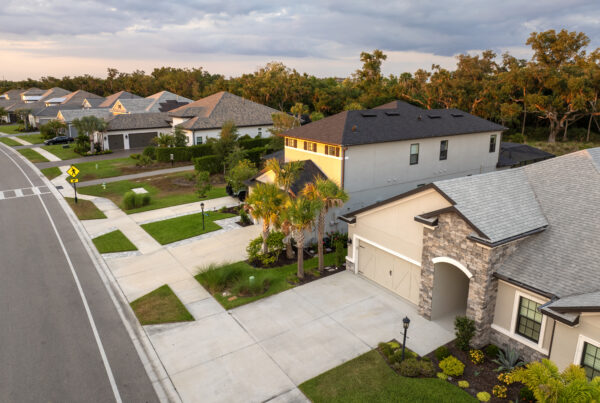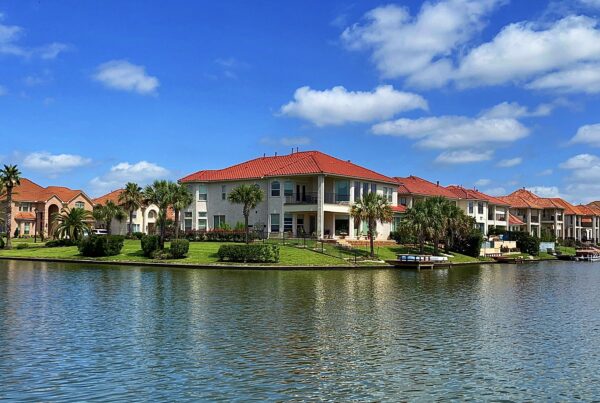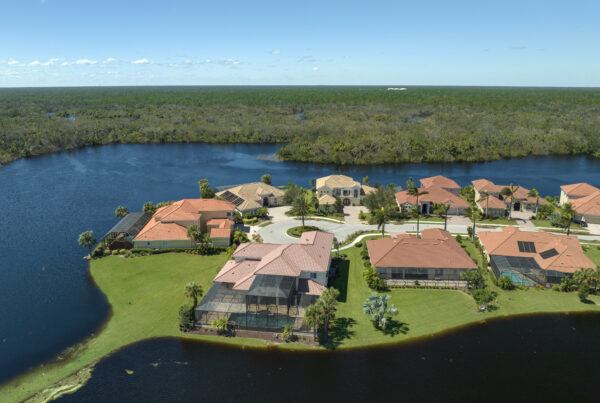

Jacksonville is really five rental markets wearing one name. A restored bungalow on a brick street in Avondale, a duplex two blocks off Main Street in Springfield, a 1980s ranch in Arlington, a townhome off Southside Boulevard, and a cottage three streets back from the sand in Neptune Beach all sit inside the same city limits. They attract different tenants, carry different insurance bills, and reward different investment strategies. Underwriting them as if they were the same market is how investors get surprised.
That sprawl is exactly why a DSCR loan Jacksonville investors can actually scale with matters so much here. Jacksonville covers more land than any other city in the continental United States, which means one investor can build a portfolio that looks like five different portfolios without ever leaving Duval County. Doing that with conventional financing gets painful fast, because every new property drags your personal tax returns, W-2s, and debt-to-income ratio back onto the table.
A DSCR loan flips the question. Instead of asking what you earn, the lender asks what the property earns. If the rent covers the full monthly payment, the deal can stand on its own legs. For self-employed borrowers, investors with several properties already financed, and anyone whose tax returns understate their real cash flow, that single change opens the whole map.
This guide covers how DSCR loans work on Jacksonville properties, which lenders are worth your time, and the strategy this city rewards more than almost any other in Florida: spreading a portfolio across submarkets that behave differently, then running all of it through one lender relationship.
The Jacksonville Rental Map, Neighborhood by Neighborhood
Historic core: Riverside, Avondale, and San Marco
The neighborhoods along the St. Johns River are Jacksonville’s premium rental tier. Riverside and Avondale offer historic bungalows, walkable commercial strips like King Street and the Shoppes of Avondale, and tenants who will pay for character and location. San Marco brings the same appeal on the Southbank, with its own square of restaurants and quick access to downtown employers. Renovation costs run higher in these districts, and older homes need careful inspection, but tenant demand is deep and turnover tends to be lower than in commodity rentals.
Springfield and Arlington: the value-add lanes
Springfield, just north of downtown, has been through a long revival. Investors have been restoring its Victorian and early 1900s housing stock for years, and the neighborhood now mixes finished showpieces with projects still waiting for attention. Arlington, across the river to the east, is a different kind of value play: mid-century homes at lower entry prices, close to Jacksonville University and the Regency corridor. Both areas suit investors who buy below stabilized value, improve the property, and refinance on the strength of the new rent.
The Southside and the suburban sprawl
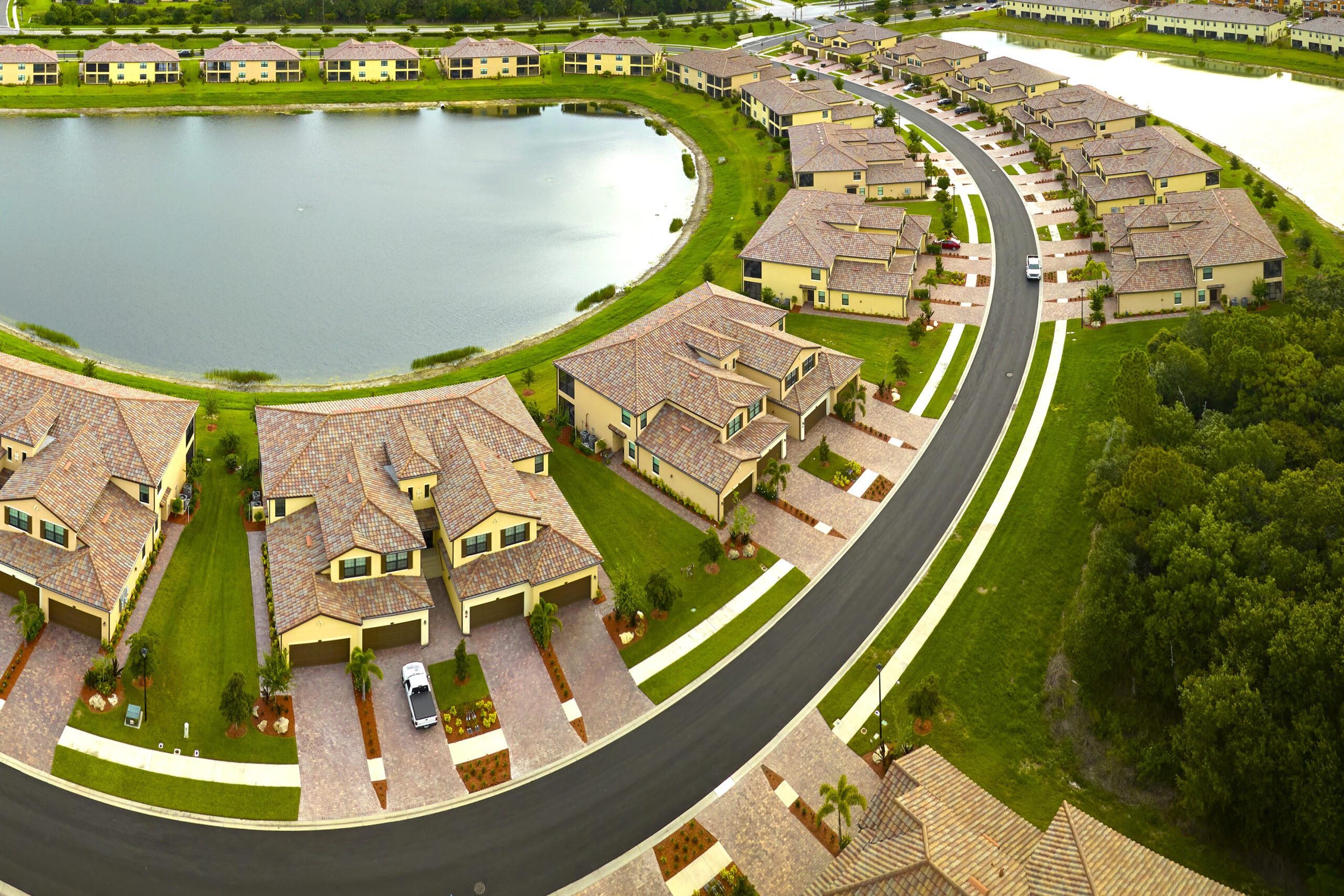
The Southside is where Jacksonville’s job growth actually lands. Financial services back offices, insurance operations, and healthcare employers cluster along Butler Boulevard, Southside Boulevard, and the Town Center area. The housing stock is newer: single-family subdivisions, townhomes, and condo communities. Rentals here behave predictably, with HOA dues as the line item that needs the most attention in the DSCR math.
The Beaches: Jacksonville Beach, Neptune Beach, Atlantic Beach
The Beaches are separate municipalities with their own governments, their own rules, and their own economics. Coastal properties command stronger rents, and some investors run them as short-term or seasonal rentals, but wind and flood insurance change the payment math meaningfully compared to an inland ranch in Arlington. Each beach city sets its own approach to rental regulation, so confirm current local rules before you underwrite a short-term strategy there.
The Northside and the military corridors
Two anchors give parts of Jacksonville a tenant base most cities would envy. NAS Jacksonville on the Westside and Naval Station Mayport near the Beaches generate constant demand from sailors, contractors, and civilian support staff, and housing allowances give those tenants dependable rent budgets. Meanwhile, the Northside is growing on the strength of JAXPORT and the distribution centers around it, pulling logistics workers into neighborhoods that were quiet a decade ago.
How a DSCR Loan Underwrites a Duval County Property
DSCR stands for debt service coverage ratio, and the calculation is simpler than the name suggests. Take the property’s monthly rent, or the market rent from the appraiser’s rent schedule if the property is vacant, and divide it by the full monthly payment: principal, interest, property taxes, insurance, and any association dues. Lenders call that payment PITIA.
A ratio of 1.0 means rent exactly covers the payment. Above 1.0, the property cash flows on paper. Below 1.0, it does not, though some programs will still finance strong deals with a ratio under 1.0 at adjusted terms. The thresholds that matter, and the pricing attached to each tier, vary by lender and by program, so treat any specific number you read online as a starting point rather than a rule.
What the lender does not do is just as important. There is no personal income verification, no tax returns, no W-2s, and no employment check. Your personal debt-to-income ratio never enters the file. Credit still matters, and so does your down payment, but the deal is judged on the property.
What moves the ratio in Jacksonville specifically
Three local line items deserve early attention. First, insurance. Florida property insurance is a serious cost everywhere in the state, and at the Beaches the wind and flood components can be the difference between a ratio that qualifies and one that does not. Get insurance quotes before you write an offer, not after.
Second, HOA and condo dues. Much of the Southside’s newer inventory sits inside associations, and those dues count inside PITIA. A townhome that looks cheap next to a freestanding house can carry a weaker ratio once dues are added.
Third, property taxes. As an investor you will not have a homestead exemption, so do not underwrite using the current owner’s tax bill if they lived in the home. Estimate taxes at your purchase price without the exemption.
Picking the Right Lender for Jacksonville Investment Property
Before comparing names, know what you are comparing. Look for:
- A genuine menu of DSCR programs, not one rigid box, so purchases, rate-and-term refinances, and cash-out refinances all fit
- Flexibility on property types: single-family, 2-4 units, townhomes, condos, and short-term rentals
- Sensible treatment of ratios below 1.0 for value-add deals
- Clear disclosure of prepayment penalty options and the tradeoffs between them
- The ability to lend to an LLC, since most investors here hold title in an entity
- Responsiveness, because Jacksonville deals with multiple offers do not wait
- Room to grow, meaning no hard cap on financed properties that stalls your portfolio at loan number four
Top DSCR Lenders Serving Jacksonville Investors
1. Select Home Loans
Select Home Loans is a Florida-based mortgage company with a broad Non-QM and investor lending menu, which means DSCR loans sit next to bank statement loans, P&L loans, and other flexible-documentation programs under one roof. Loan amounts run from roughly $100,000 into the multi-million range depending on the program, covering everything from an Arlington starter rental to a beachfront property. DSCR treatment is flexible, with options for strong ratios, thinner ratios on value-add projects, and short-term rental income scenarios, all structured to fit the deal rather than force the deal to fit a box. Because the company works its home state every day, the Florida-specific friction points, insurance inside PITIA, association dues, and non-homestead taxes, get handled early instead of at the closing table. Reach Nick at (888) 550-3296, NMLS #2384002, or start at selecthomeloans.com.
2. Lima One Capital
Lima One Capital is a national investor lender known for serving active real estate operators, with rental loans alongside fix-and-flip and new-construction financing. That range makes it a fit for investors who move between strategies, such as renovating in Springfield and holding on the Southside. Its process is built around investors rather than adapted from consumer lending.
3. Kiavi
Kiavi is a technology-forward lender offering DSCR rental loans and bridge financing with an emphasis on speed and a heavily online process. Investors who value a fast, low-friction experience and are comfortable working through a digital platform tend to like it. It is a common choice for single-family rental purchases and refinances.
4. Visio Lending
Visio Lending focuses almost entirely on rental property lending and has particular depth in vacation and short-term rentals, which makes it relevant for Beaches investors. Its programs are built for buy-and-hold landlords rather than flippers. Short-term rental program availability and structure change over time, so confirm current options before planning around them.
5. CoreVest
CoreVest specializes in larger investors, offering portfolio loans that wrap multiple rentals into a single facility along with credit lines for acquisition. For an investor who has accumulated eight or ten Jacksonville doors across different neighborhoods, a blanket structure can simplify management. It is generally a better fit for scale than for a first or second property.
This list reflects our opinion, and apart from our own listing it is presented in no particular order. Programs change, so verify current offerings directly with any lender you consider.
What Drives Your Terms on a Jacksonville DSCR Loan
Every DSCR quote is a blend of the same ingredients. Credit depth matters: stronger scores earn better pricing, and minimums vary by program. Leverage matters: a larger down payment, often somewhere in the 20 to 25 percent neighborhood depending on the program, improves both approval odds and pricing, while maximum LTV caps are set by each lender’s guidelines. Ratio strength matters: a property covering its payment with room to spare prices better than one scraping by at the line.
Property type plays in as well. A single-family home in San Marco is the simplest file. Condos, 2-4 unit properties, and short-term rentals each add review steps. Prepayment penalty structure is the lever most investors overlook: accepting a longer penalty period usually improves pricing, while paying to reduce or remove it preserves flexibility to sell or refinance early. If your Springfield plan is to renovate and refinance within two years, that flexibility is worth pricing out.
Documentation stays light throughout: entity documents if you close in an LLC, bank statements to source the down payment and reserves, an appraisal with a rent schedule, insurance quotes, and the purchase contract. Reserve requirements, typically expressed in months of PITIA, vary by lender and program.
Submarket Diversification: Jacksonville’s Quiet Advantage
Here is the strategy this city offers that most Florida metros cannot: diversification without leaving town.
Most cities force a choice. You can chase premium rents, or steady tenants, or value-add upside, and you pick a city that matches. Jacksonville contains all of those strategies inside one county. That means a local portfolio can be built like an investment portfolio, with holdings that respond differently to the same events.
Consider how the pieces behave. Historic-district rentals in Riverside, Avondale, and San Marco act like blue-chip holdings: higher entry cost, strong tenant quality, durable demand. Military-corridor rentals near NAS Jacksonville and Mayport act like bonds: tenants with housing allowances, steady occupancy, less drama. Springfield and Arlington are the growth sleeve, where renovation work creates equity instead of waiting for the market to hand it to you. The Beaches are the high-income, high-volatility sleeve, with stronger rents offset by heavier insurance and, for short-term strategies, regulatory rules that each beach municipality sets on its own.
An investor holding one property in each lane is insulated in a way a five-condo landlord is not. A soft season at the beach does not touch the Mayport rental. An insurance market swing hits the coastal property hardest while the inland holdings barely move. A slowdown in renovation activity affects the Springfield timeline but not the Avondale bungalow’s rent check.
DSCR financing is what makes this practical. Each property qualifies on its own rent, so a thinner ratio at the beach does not poison the file for the strong ratio in Avondale. And because nothing depends on your personal debt-to-income ratio, property number five is as financeable as property number one.
An illustrative two-property example
The numbers below are round, illustrative figures for teaching purposes, not market data or a quote.
| Line item | Avondale bungalow | Mayport-area rental |
| Purchase price | $400,000 | $250,000 |
| Monthly rent | $2,800 | $1,950 |
| Monthly PITIA | $2,400 | $1,600 |
| DSCR | 1.17 | 1.22 |
Two different neighborhoods, two different tenant profiles, and both deals stand on their own. The Avondale property carries higher taxes and insurance on a bigger loan; the Mayport-area property runs leaner and rents to a military-anchored tenant pool. Neither loan cares what the borrower’s tax returns say, and neither loan’s approval depends on the other property’s performance.
Now the scaling point. Run both loans through one lender relationship and the second file is faster than the first, because your entity documents, asset sourcing, and preferences are already known. The third and fourth are faster still. A broker with a wide investor menu adds another layer: when one program’s guidelines fit the beach deal and a different program fits the Springfield renovation-to-refinance play, the same relationship reaches both without you starting over. That is how a Jacksonville portfolio spanning four submarkets gets financed like one coherent operation instead of four unrelated projects.
Mistakes That Cost Jacksonville Investors Money
- Underwriting a Beaches property with an inland insurance guess. Wind and flood coverage sit inside PITIA, and a casual estimate can flip a passing ratio to a failing one. Quote early.
- Using the seller’s homesteaded tax bill. Your bill as an investor will be based on your purchase price with no exemption. Model it that way from day one.
- Ignoring HOA dues on Southside townhomes and condos. Dues count in the payment, and they rise over time.
- Assuming short-term rental rules are uniform. Jacksonville proper, Jacksonville Beach, Neptune Beach, and Atlantic Beach each set their own rules, and rules change. Confirm current requirements with the specific municipality before underwriting nightly rates.
- Buying a Springfield or Arlington project with no refinance plan. Value-add only pays when you have mapped the path from purchase to stabilized rent to refinance, including the prepayment penalty on the original loan.
- Concentrating in one submarket by accident. Three condos in one Southside community is one bet made three times, not a portfolio.
DSCR Financing vs. the Conventional Route
| Factor | DSCR loan | Conventional investment loan |
| Income documentation | Property rent vs. PITIA | Tax returns, W-2s, full DTI review |
| Self-employed friction | Minimal | Often significant |
| Closing in an LLC | Commonly allowed | Generally not |
| Financed-property limits | Program-dependent, often generous | Capped, tightens with each loan |
| Short-term rental income | Some programs consider it | Rarely usable |
| Pricing | Usually somewhat higher | Usually lower for well-qualified W-2 borrowers |
| Prepayment penalty | Often present, structure negotiable | Typically none |
A W-2 borrower buying a first rental with clean tax returns may still find conventional financing cheaper. The math changes when returns are write-off heavy, when the portfolio grows past the conventional comfort zone, or when the title needs to sit in an entity.
Who Should Use a DSCR Loan Here, and Who Should Not
A strong fit: self-employed borrowers and 1099 earners whose tax returns understate cash flow, investors scaling past their third or fourth financed property, buyers closing in an LLC, out-of-state investors entering the Jacksonville market, and anyone pursuing the multi-submarket strategy described above.
A weaker fit: buyers who intend to occupy the property, since DSCR loans are for investment property only; borrowers whose deal shows deeply negative cash flow with no path to improvement; and first-time buyers with strong W-2 income and only one purchase planned, who may be better served comparing conventional terms first.
Frequently Asked Questions
Can I use a DSCR loan for a short-term rental at Jacksonville Beach?
Some DSCR programs consider short-term rental income, often using market rent or documented operating history depending on the program. Availability and treatment vary by lender, and each beach municipality sets its own rental rules, so confirm both the loan program and the local regulations before you commit.
Do military tenants change how a lender views my property?
Lenders underwrite the rent, not the tenant, so there is no formal credit for a military tenant base. The benefit shows up in your operations: steady demand near NAS Jacksonville and Mayport supports the occupancy that keeps your real-world coverage healthy.
Can I finance a Springfield renovation project with a DSCR loan?
DSCR loans are designed for rent-ready properties. A house needing major work usually starts with renovation or bridge financing, then refinances into a DSCR loan once it is stabilized and leased. A broker with both product types can map the full sequence before you buy.
What happens if my ratio comes in below 1.0?
Some programs finance sub-1.0 deals at adjusted terms, often with more equity in the transaction. Others decline them. This is a spot where working with a broker helps, because program appetite for thin ratios varies widely.
Will the lender use my lease or the appraiser’s rent estimate?
Most programs look at both the existing lease and the appraiser’s market rent schedule, and guidelines determine which figure controls when they differ. A below-market lease you inherited from a seller can hold your ratio down, so factor that into your offer.
Can I buy a 2-4 unit property in Jacksonville with a DSCR loan?
Yes, most DSCR programs cover 2-4 unit properties, and the combined rent from all units counts toward the ratio. Duplexes in Springfield and Murray Hill are a common way to strengthen coverage on one address.
Do I need to live in Florida to get a DSCR loan on a Jacksonville property?
No. Out-of-state and even foreign national investors finance Jacksonville rentals with DSCR loans regularly. Foreign national program availability changes over time, so confirm current options with your lender.
How do rising insurance costs affect an existing DSCR loan?
Your loan terms are fixed at closing, so a later premium increase does not change the note. It does squeeze your actual cash flow, and it will factor into the ratio if you refinance. Shopping coverage at each renewal is part of operating in Florida.
Can I do a cash-out refinance on a rental I already own free and clear?
Yes. Cash-out DSCR refinances are common for pulling equity out of a stabilized property to fund the next purchase. Maximum loan-to-value on cash-out transactions is program-dependent and typically lower than on a purchase.
Does the condo itself get underwritten, not just me?
Yes. Condo projects go through a review of the association’s health, and some programs handle non-warrantable condos that conventional lenders decline. Program availability for non-warrantable projects changes, so verify current options if you are eyeing a Southside or beachfront condo.
How fast can a DSCR loan close in Jacksonville?
Timelines depend on the appraisal, insurance quotes, and title work rather than on income verification, which is the slow part of conventional files. Ask your lender for a realistic schedule for your specific property type, and order insurance quotes immediately to protect the timeline.
Is there a limit to how many DSCR loans I can have?
Most DSCR programs do not impose the financed-property caps that conventional loans carry, though each lender sets its own exposure limits per borrower. This is exactly why the product suits the multi-neighborhood portfolio strategy this article describes.
The Bottom Line on DSCR Lending in Jacksonville
Jacksonville rewards investors who treat it as what it is: several distinct rental markets sharing a city line. The historic districts, the military corridors, the value-add neighborhoods, the Southside’s job-driven sprawl, and the Beaches each play a different role in a portfolio, and a DSCR loan Jacksonville investors can repeat across all of them is the financing tool that ties the strategy together. Qualify on the property’s rent, close in your LLC, and let each deal stand alone while the portfolio compounds.
One caution belongs in every plan: programs, guidelines, and requirements change over time, and everything from ratio thresholds to reserve rules varies by lender. Verify current guidelines with a loan expert before you write offers.
If you are weighing an Avondale bungalow against a Mayport-area rental, or trying to sequence a Springfield project into a long-term hold, talk it through with someone who structures these loans every day. Call Nick at Select Home Loans at (888) 550-3296, NMLS #2384002, or visit selecthomeloans.com to compare loan options and request a quote for your next Jacksonville property.