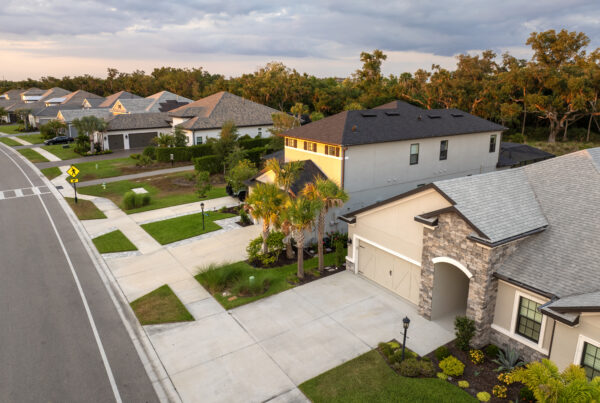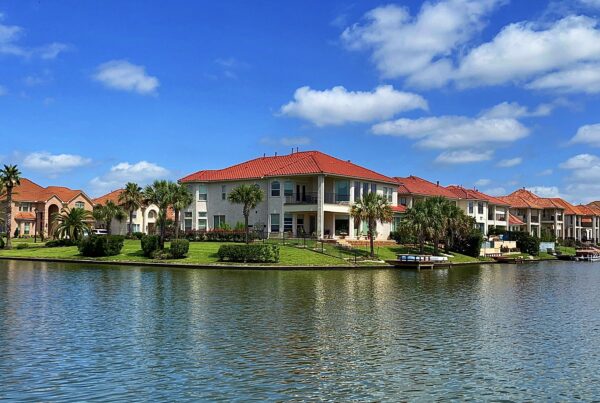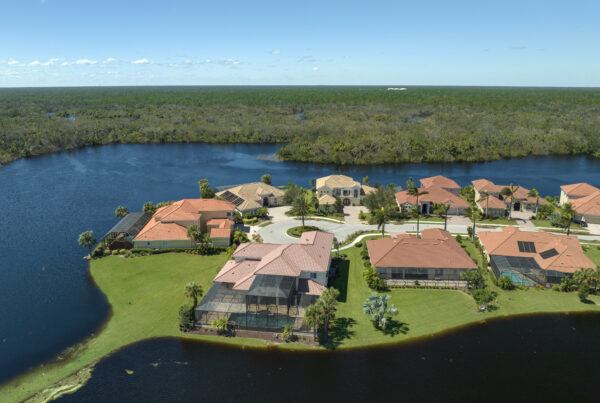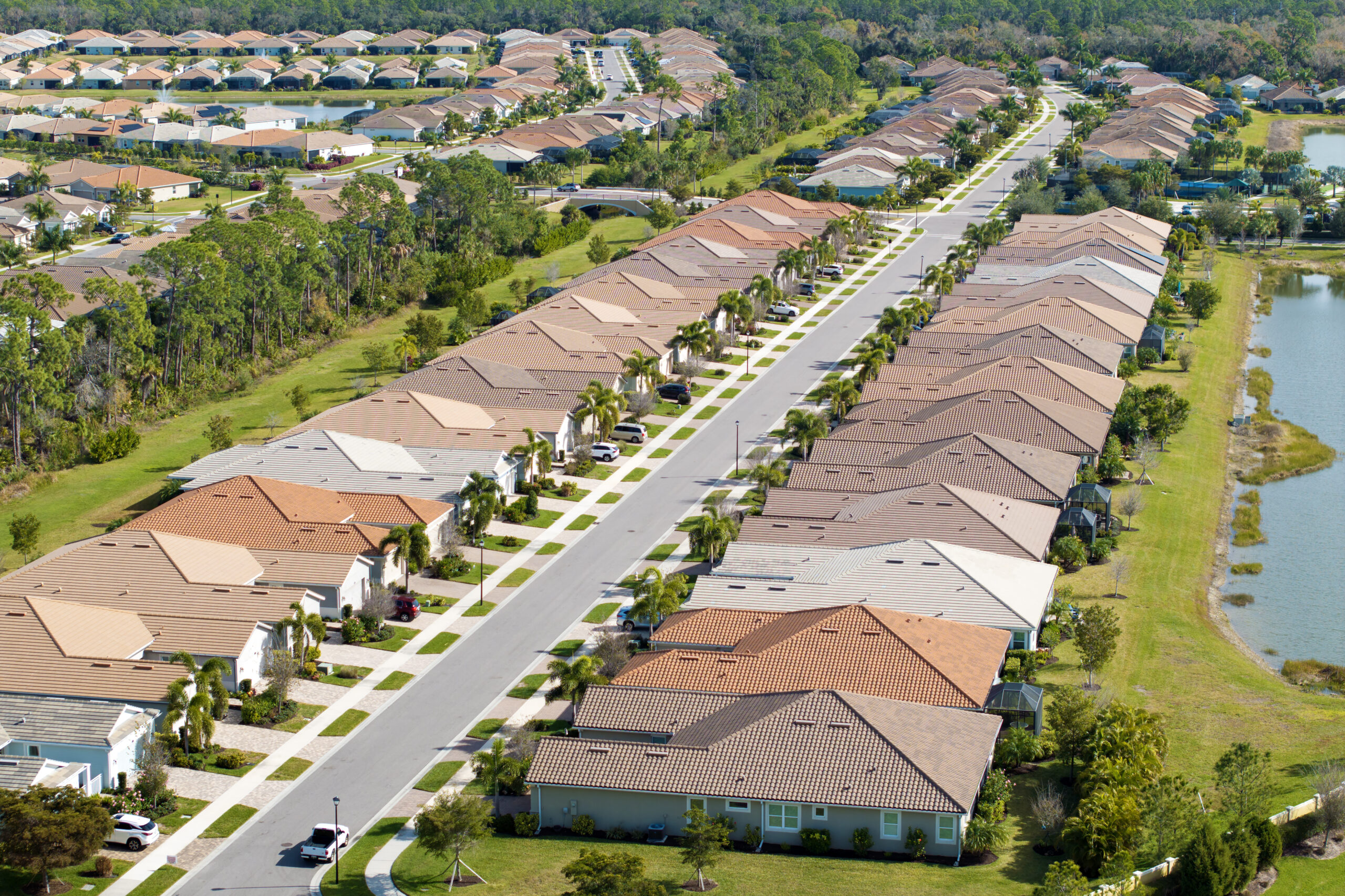

There is a landlord in East Hill who has owned the same 1920s cottage for nine years. Every time a tenant gets orders and moves on, the place re-rents within weeks, usually to another Navy family who found it before the moving truck even arrived. That is the quiet engine of the Pensacola rental market. Naval Air Station Pensacola keeps a steady stream of service members, instructors, students, and defense contractors cycling through town, and every one of them needs a place to live.
This guide is published by Select Home Loans and includes our own services. It is not an independent ranking. Compare current eligibility, costs and service before choosing a provider. Competitor descriptions are general summaries; confirm current details directly with each provider.
Here is the problem that same landlord ran into when she tried to buy a second cottage two streets over. Her tax returns did not tell the story her rent roll did. Depreciation, write-offs, and a self-employed side business made her look thin on paper, even though her first rental had never sat empty longer than a month. Her bank said no. A DSCR loan said yes, because it asked a different question entirely: does the property’s rent cover the property’s payment?
That is what this guide covers. How a DSCR loan Pensacola investors can actually use works in this specific market, why the military tenant base changes the math in your favor, how the beach and the mainland are two very different underwriting conversations, and which lenders are worth calling. If you are trying to build a portfolio here, from North Hill historic rentals to a condo across the Pensacola Bay Bridge, this is the playbook.
The Pensacola Rental Market, Explained for Investors
Before the loan mechanics, it helps to understand why lenders tend to like this market. Pensacola is not a one-industry town, but it is an anchor-industry town, and the anchor does not move.
The base is the backbone
Naval Air Station Pensacola is often called the cradle of naval aviation, and it functions as the region’s economic keel. Flight training, technical schools, and the commands attached to the base bring a constant rotation of personnel, and the defense contractors that support them add a layer of civilian professionals with stable paychecks. Add the hospitals, the port, and a growing downtown professional scene, and you get a tenant pool that renews itself continuously rather than depending on one boom cycle.
Neighborhoods that carry the rental demand
East Hill and North Hill are the classic play: walkable historic districts full of bungalows and cottages that rent quickly to military families, medical workers, and young professionals who want charm and a short drive to the base or downtown. Downtown Pensacola’s revival, with its restaurants, the Blue Wahoos ballpark, and renovated commercial blocks, has pulled in tenants who want to live near Palafox Street. Out toward the north side, the University of West Florida supports a student and staff rental pocket with its own rhythm tied to the academic calendar. And across the bridge, Pensacola Beach runs on an entirely different engine: vacationers.
The regulatory picture
Short-term rental rules in Florida vary by city and county, and they change. Escambia County, the City of Pensacola, and the Santa Rosa Island Authority each have their own posture toward vacation rentals, registration, and taxes. If your plan involves nightly or weekly rentals, confirm the current local rules for the exact address before you write an offer. A lender can approve a condo that a local ordinance will not let you operate the way you planned.
How a DSCR Loan Works on a Pensacola Property
A DSCR loan is an investment property mortgage that qualifies the property instead of your personal income. No tax returns, no W-2s, no employment verification. The underwriter looks at one ratio: the debt service coverage ratio.
The math is simple. Take the property’s monthly rent, either the actual lease or the market rent from the appraiser’s rent schedule. Divide it by the full monthly payment: principal, interest, property taxes, insurance, and any association dues. Lenders call that payment PITIA. Rent divided by PITIA is your DSCR.
A ratio of 1.0 means the rent exactly covers the payment. Above 1.0, the property carries itself with room to spare, and stronger ratios typically earn better pricing. Some programs will close loans below 1.0 for well-qualified borrowers, though terms tighten. Every threshold is program-dependent, so treat any specific number you read online as a starting point, not a rule.
Where Pensacola moves the math
Two line items inside PITIA deserve your attention here more than they would in, say, Atlanta.
Insurance is the big one. This is the Gulf Coast, and property insurance in Florida includes wind coverage that costs real money, plus flood insurance wherever the flood maps require it. Parts of Pensacola near the bayous and bays sit in flood zones, and everything on Pensacola Beach does. Because insurance sits inside PITIA, an expensive policy directly lowers your DSCR. Get insurance quotes early, during your due diligence, not the week before closing. More deals wobble on the insurance line than on the rent line in this market.
Taxes and dues matter too. A non-homesteaded investment property in Escambia County is assessed without the homestead protections owner-occupants get, so do not borrow the seller’s tax bill for your math. And if you are buying a condo, whether near downtown or on the island, association dues go straight into PITIA and can be substantial in buildings with beachfront insurance masters.
Renting to the Military: Why Lenders Like the Pensacola Story
This is the part of the Pensacola thesis that deserves real depth, because it is the reason the East Hill landlord’s cottage never sits empty.
The PCS cycle creates turnover you can plan around
Military families move on Permanent Change of Station orders, and those orders cluster. Transfer season concentrates in the warmer months, which means Pensacola landlords see a predictable wave of demand every year as incoming families house-hunt, often from a distance, on tight timelines. Flight students and instructors cycle through the base on training schedules, creating additional mid-cycle demand. Turnover is real, and you should budget for it, but it is turnover with a replacement tenant already inbound. That is very different from turnover in a market where demand depends on one employer’s hiring plans.
Why the tenant quality story holds up
Military tenants come with a housing allowance, steady government pay, and a chain of command that takes financial responsibility seriously. Landlords who list near the base learn to work with the rhythms: families who sign leases sight unseen because orders came fast, tenants who give clean notice because their departure date is printed on official paperwork, and referrals that travel through squadron networks. None of this shows up as a line item on a DSCR worksheet, but it shows up where it counts: consistent occupancy, which protects the rent number your whole loan is built on.
One thing to respect
Service members have protections under the Servicemembers Civil Relief Act, including the ability to terminate a lease early with proper notice when orders require it. Build that reality into your reserves and your expectations rather than fighting it. In practice, the same PCS machine that occasionally ends a lease early is the machine that delivers the next tenant.
The DSCR angle
A DSCR lender does not give you a discount because your tenants are Navy. What the military market gives you is confidence in the rent input. When the appraiser’s rent schedule says the market supports your number, and the neighborhood’s occupancy history backs it up, you can size your offer and your leverage with less guesswork. That confidence is worth more than most investors realize when they are deciding between a 20 and 25 percent down payment structure.
Beach or Town: Two Strategies, Two Insurance Realities
Pensacola investors face a fork in the road that most cities do not offer: the mainland long-term rental play or the Pensacola Beach vacation rental play. A DSCR loan can finance either, but they underwrite very differently.
| Factor | East Hill / North Hill / UWF area | Pensacola Beach |
| Typical strategy | Long-term leases, 12 months | Short-term and seasonal vacation rentals |
| Tenant base | Military, medical, professionals, students | Tourists, snowbirds |
| Insurance load | Wind coverage, flood only in mapped zones | Wind plus flood, barrier island pricing |
| Income pattern | Steady monthly rent | Seasonal peaks and slow winters |
| Ownership structure | Standard fee simple | Leasehold interests common on Santa Rosa Island |
| Lender appetite | Broad | Narrower, program-dependent |
The mainland play is the simpler loan. Rents are steady, insurance is meaningful but manageable, and the appraisal process is routine.
The beach play can produce stronger gross income, but three things need your attention. First, insurance on a barrier island is a different animal, with wind and flood coverage that will test your DSCR. Second, some programs qualify short-term rentals on market long-term rent rather than nightly income projections, which changes the math considerably; ask each lender how they treat vacation rental income before you get attached to a spreadsheet. Third, much of Santa Rosa Island is held under long-term leasehold arrangements through the Santa Rosa Island Authority rather than conventional fee simple ownership. Plenty of lenders can work with it, but not all of them, and the structure has tax and title wrinkles worth understanding. Verify how any lender you are considering treats island leasehold property before you spend money on an appraisal.
What Separates a Good DSCR Lender From a Frustrating One
Before the rankings, here is the short checklist worth carrying into every phone call:
- Experience with Florida coastal properties and comfort with Panhandle insurance costs
- Clarity on how they treat short-term rental income versus long-term market rent
- Willingness to lend on condos, and on leasehold property if the beach is your target
- Transparent prepayment penalty options you can actually choose between
- The ability to close in an LLC and to handle portfolio growth, not just one loan
- Straight answers on pricing drivers instead of a teaser quote that moves later
- Responsiveness, because financed offers in a competitive market die from silence
The Best DSCR Lenders for Pensacola Investors
1. Select Home Loans
Select Home Loans is a Florida-based mortgage company with a deep Non-QM and investor lending menu, which makes it a natural first call for Panhandle deals. As a broker with access to many wholesale investors, Select can shop a Pensacola file across multiple DSCR programs, which matters when one investor balks at a beach condo or a below-average ratio and another prices it happily. Loan amounts run from roughly $100,000 into the multi-million range depending on the program, and DSCR treatment is flexible, with options for strong ratios, thin ratios, and short-term rental scenarios described and priced case by case. Beyond DSCR, the menu includes bank statement loans, P&L loans, and other tools for self-employed borrowers building portfolios. Reach Nick at (888) 550-3296, NMLS #2384002, or visit selecthomeloans.com.
2. Lima One Capital
Lima One Capital is a national investor-focused lender known for rental loans, fix-and-flip financing, and new construction lending. Investors who plan to renovate a tired East Hill bungalow before renting it often like having bridge and long-term financing under one roof. Lima One works with both single properties and portfolios.
3. Kiavi
Kiavi is a technology-forward lender that built its reputation on fast, low-friction closings for rental and bridge loans. Investors who value a digital process and quick turn times tend to land here. Kiavi focuses on standard residential investment property types, so confirm fit before bringing them an unusual beach scenario.
4. LendSure Mortgage Corp
LendSure is a wholesale Non-QM lender that works through brokers and is known for common-sense underwriting on files that do not fit rigid boxes, including DSCR loans with flexible ratio treatment. Because LendSure is broker-accessed, many investors encounter their programs through a broker relationship rather than directly.
5. Griffin Funding
Griffin Funding is a national direct lender with a broad Non-QM lineup that includes DSCR loans, bank statement programs, and VA lending, a combination that resonates in a military town where some investors are veterans themselves. They lend across many states and publish extensive educational material on investor products.
Program availability, specialty options such as condotel or foreign national financing, and underwriting appetites change over time, so confirm current offerings directly with any lender. This list reflects our opinion, and it is presented in no particular order.
What Drives Your Terms on a Pensacola DSCR Loan
Every DSCR quote is built from a handful of levers, and knowing them helps you negotiate.
Credit depth comes first. Stronger scores earn better pricing, and minimums vary by program. Leverage is next: the more you put down, the better the deal, and coastal or condo properties may face lower maximum leverage than an inland single-family home. Ratio strength matters too, since a property that covers its payment comfortably prices better than one scraping past break-even. Property type moves pricing, with beach condos and short-term rentals generally costing more than a long-term rental cottage in town. Finally, prepayment penalty structure is a real choice: accepting a longer prepay period usually buys a better rate, while paying to shorten or remove it preserves flexibility if you plan to refinance or sell soon.
Documentation is light compared to a conventional loan. Expect to provide identification, entity documents if closing in an LLC, bank statements showing your down payment and reserves, any current leases, an insurance quote, and the appraisal with a rent schedule. No tax returns, no employment file. Specific reserve requirements and every threshold above are program-dependent and vary by lender and investor guidelines.
An illustrative example
Say you are buying a renovated three-bedroom cottage near East Hill for $300,000 with 20 percent down, financing $240,000. These are round numbers for illustration only, not market data. Suppose the appraiser’s rent schedule supports $2,400 per month, and your full monthly payment including principal, interest, taxes, insurance, and no HOA comes to $2,000. Your DSCR is $2,400 divided by $2,000, which is 1.20. That is a comfortable ratio that most programs would welcome. Now suppose an insurance surprise pushes the payment to $2,250. The ratio drops to about 1.07, still workable, but with less headroom on pricing and leverage. Same house, same rent, and the insurance line quietly rewrote the deal. That is why quoting insurance early is rule one in this market.
Mistakes Pensacola Investors Keep Making
- Waiting until the week of closing to quote insurance, then discovering wind or flood premiums that crush the ratio.
- Using the seller’s homesteaded tax bill in the DSCR math instead of estimating taxes as a non-homesteaded investor.
- Assuming a Pensacola Beach condo underwrites like a house in town, ignoring leasehold questions, association dues, and building insurance.
- Buying near UWF with a student rental plan but running the numbers on a single family lease structure that does not match how student rents actually work.
- Projecting vacation rental income at peak-summer nightly rates across all twelve months instead of asking how the lender will actually credit the income.
- Treating military turnover as a bug instead of budgeting for it and pricing in the reliable re-tenanting that follows every transfer season.
DSCR Financing Versus the Conventional Route
| DSCR loan | Conventional investment loan | |
| Income proof | Property’s rent versus its payment | Tax returns, W-2s, DTI review |
| Self-employed friendly | Yes, income docs not required | Write-offs can sink qualification |
| Closing in an LLC | Commonly allowed | Generally not permitted |
| Property count limits | Flexible, program-dependent | Capped number of financed properties |
| Short-term rental income | Some programs consider it | Rarely usable |
| Pricing | Typically somewhat higher | Typically lower for those who qualify |
| Best for | Investors scaling on the property’s numbers | W-2 borrowers with clean, simple returns |
If your tax returns are clean and you own one or two properties, conventional financing may cost less. The moment write-offs, portfolio size, or entity ownership enter the picture, DSCR usually becomes the practical path.
Who Should Use a DSCR Loan Here, and Who Should Not
A good fit: self-employed borrowers whose returns understate real income, investors scaling past conventional property limits, out-of-state buyers who want Panhandle exposure without flying in for a full-doc process, veterans and retirees building rental income near the base they know well, and anyone buying through an LLC.
A poor fit: buyers who intend to live in the property, since DSCR loans are for investment properties only; W-2 borrowers with simple finances who qualify conventionally and want the lowest cost; and speculators counting on appreciation to rescue a property whose rent cannot cover its payment.
FAQ: DSCR Loans in Pensacola
Can I use a DSCR loan to buy a rental near NAS Pensacola?
Yes, as long as it is a non-owner-occupied investment property. Proximity to the base does not change the loan, but it usually supports the rent schedule that drives your ratio.
Do lenders count BAH or military tenant income differently?
No. The lender qualifies the property on its rent versus its payment. Your tenants’ housing allowance affects your occupancy and collections in practice, not the underwriting formula.
Can I finance a Pensacola Beach vacation rental with a DSCR loan?
Often, yes, but ask two questions up front: how the program credits short-term rental income, and whether it accepts leasehold property on Santa Rosa Island. Both answers vary by lender, and both can end a deal late if you skip them.
What happens to my loan if my military tenant gets PCS orders mid-lease?
Nothing happens to the loan. Federal law lets service members terminate leases with proper notice when orders require it, so plan reserves for occasional early turnover. The loan payment continues regardless of who occupies the property.
Are DSCR loans available for duplexes or fourplexes in Pensacola?
Generally yes. Small multifamily properties are common in DSCR programs, and combined unit rents feed the ratio. Guidelines on unit counts vary by program.
How is market rent determined if the property is vacant at purchase?
The appraiser completes a rent schedule, typically a Form 1007, comparing your property to nearby rentals. That market rent figure can stand in for a lease in most programs.
Can a first-time investor get a DSCR loan here?
Many programs accept first-time investors, sometimes with adjusted terms such as lower leverage. Prior homeownership can help. This is a program-dependent question worth asking each lender directly.
Do I need flood insurance for a Pensacola rental?
If the property sits in a mapped special flood hazard zone, your lender will require it. Much of the beach and some low-lying mainland areas near the bayous qualify. Even outside required zones, some investors carry it by choice. Confirm the zone early because the premium sits inside PITIA.
Can I refinance an East Hill rental I already own with a DSCR loan?
Yes. Rate-and-term and cash-out refinances are both common, and cash-out is a popular way to pull equity from an appreciated cottage to fund the next down payment. Seasoning requirements and cash-out leverage caps vary by program.
What credit score do I need?
Minimums vary by lender and program, and pricing improves as scores rise. Rather than chasing a published number, have a lender price your actual profile, since two programs can treat the same score very differently.
How long does a DSCR loan take to close?
Typically faster than a full-documentation loan because there is no income file to underwrite. The appraisal and, in this market, the insurance quote are usually the pacing items. Timelines vary by lender and by how quickly you deliver documents.
Is a prepayment penalty required?
Most DSCR programs include one by default, often structured over the first several years, but buydown and removal options usually exist for a pricing adjustment. If you expect to sell or refinance soon, negotiate the structure before you lock.
The Bottom Line on DSCR Lending in Pensacola
Pensacola offers something rare: a rental market anchored by an institution that does not leave town, a historic core where cottages re-rent on the rhythm of transfer season, a reviving downtown, a university pocket, and a beach market across the bridge for investors who want a second gear. A DSCR loan Pensacola investors structure well lets the property’s own numbers carry the approval, which is exactly what self-employed borrowers and portfolio builders need when tax returns undersell the truth.
The local homework is what separates smooth closings from painful ones here: quote insurance early, model taxes as an investor rather than a homesteader, and get clear answers on short-term rental income and island leaseholds before you commit. Programs, leverage limits, ratio requirements, and specialty options all change over time, so verify current guidelines with a loan expert before making decisions.
Ready to run your numbers on a Pensacola property? Call Nick at Select Home Loans for a no-pressure conversation about your scenario, whether it is an East Hill cottage, a UWF-area duplex, or a condo on the sand. Compare loan options, get pre-approved, or request a current quote at (888) 550-3296, NMLS #2384002, or visit selecthomeloans.com.