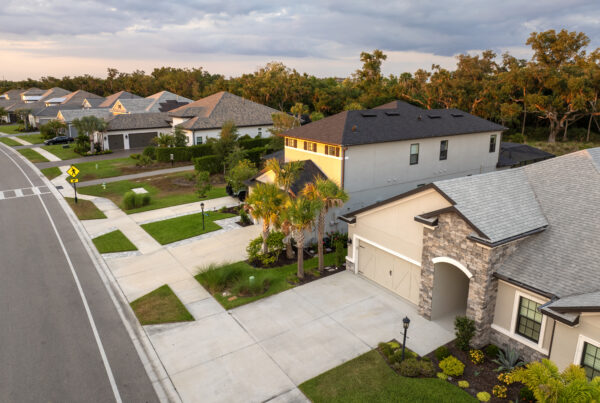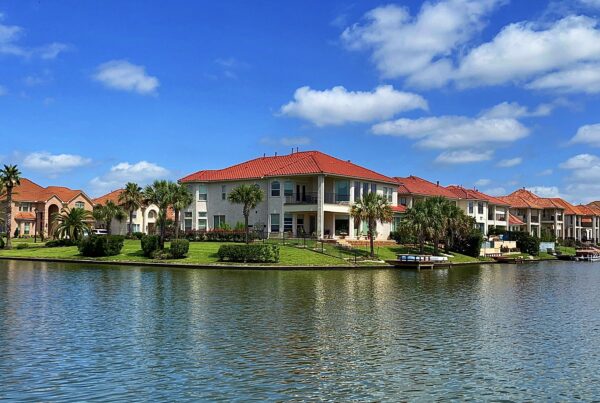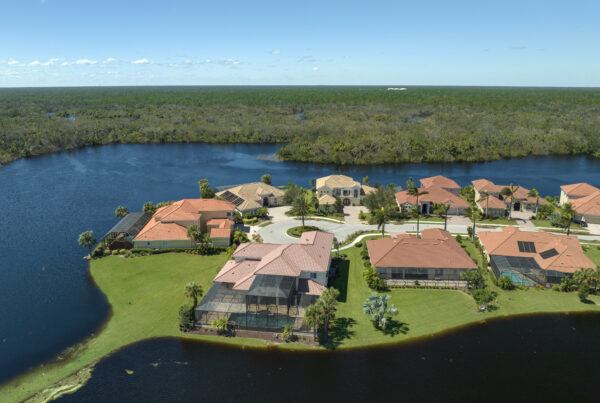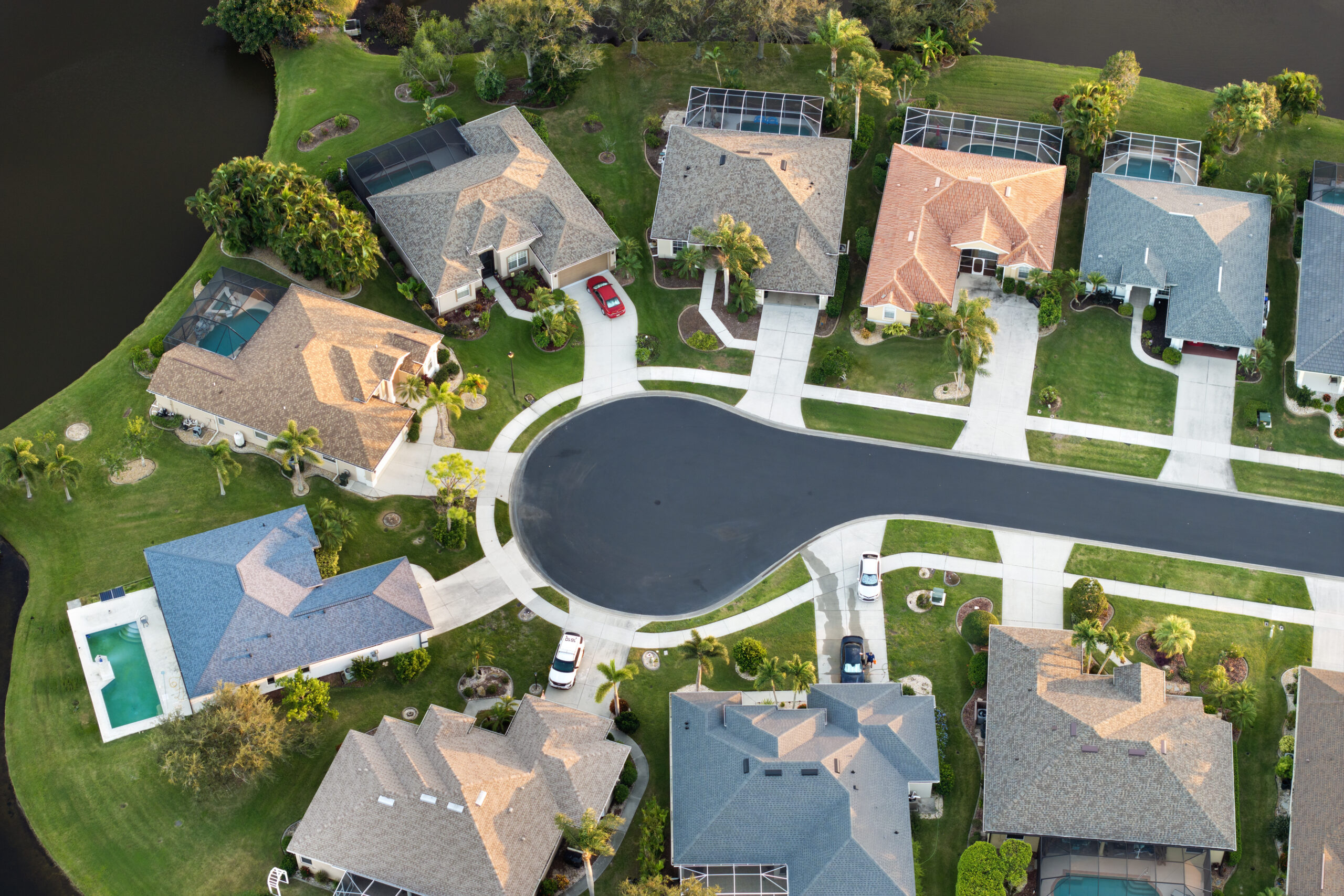

Picture this: you find a five-acre property off Highway 27, fifteen minutes from the World Equestrian Center. The house is solid, three bedrooms, updated roof, nothing fancy. There is a small barn out back and enough pasture for a couple of horses. You know renters exist for this property, from equestrian families relocating for the season to remote workers who want land without an Orlando price tag. Then you call your bank, and the conversation stalls. Five acres? A barn? Self-employed income? The file gets complicated fast.
This is the exact gap a DSCR loan Ocala investors rely on was built to fill. Instead of dissecting your tax returns, a DSCR lender asks one question: does the property’s rent cover the property’s payment? If the answer is yes, or close to it, you have a path to financing that a conventional underwriter may never offer you, especially on acreage.
Ocala sits in an unusual spot in the Florida investment map. It is horse country, home to hundreds of farms and one of the largest equestrian venues in the world. It is also one of the more affordable single-family markets in the state, which is pulling in investors who have been priced out of Orlando and Tampa. Add the logistics and distribution growth along I-75 and steady retiree spillover drifting north from The Villages, and you have a rental market with several distinct tenant pools feeding it.
This guide covers how DSCR loans work for Ocala and Marion County properties, which lenders are worth your time, and, in depth, how to finance homes on larger lots. Acreage is where most Ocala deals get interesting, and it is where most lenders get nervous. We will show you how to keep your deal on the right side of the guidelines.
The Ocala and Marion County Investment Picture
A Market Built on Land, Horses, and Highway Access
Ocala’s identity starts with the horse industry. Marion County brands itself as the Horse Capital of the World, and the farms stretching along highways 27, 40, and 225 back that up. The World Equestrian Center on the west side of town changed the equation further. It hosts events nearly year-round, drawing competitors, trainers, grooms, vendors, and spectators who all need somewhere to stay. Hotels absorb some of that demand. Furnished rentals, mid-term rentals, and homes with a little land absorb the rest.
Beyond the horse economy, Ocala has quietly become a distribution hub. The stretch of I-75 through Marion County has attracted major warehouse and logistics operations, and those facilities employ workers who rent homes in neighborhoods like Silver Springs Shores, Marion Oaks, and the subdivisions off State Road 200. These are working tenants with steady paychecks, and they form the backbone of the long-term rental market here.
To the south, The Villages keeps expanding, and some of that retiree energy spills into southern Marion County. Adult children visiting parents, retirees who want more house for the money, and service workers employed around The Villages all add demand at the county’s southern edge.
Why Orlando and Tampa Investors Keep Showing Up
An investor comparing a single-family purchase in Ocala against a similar home in Orlando or Tampa notices one thing immediately: the entry price. Lower purchase prices mean smaller down payments, smaller loan amounts, and rent-to-price ratios that often pencil better than the big metros. For a DSCR loan, that last point matters most, because the whole qualification rests on rent covering the payment. A market where homes are affordable relative to rents is a market where DSCR deals clear more easily.
The Regulatory Picture
Ocala and Marion County are generally viewed as landlord-friendly compared with larger Florida metros, but short-term rental rules are local and they change. The City of Ocala and unincorporated Marion County can treat vacation rentals differently, and properties near the WEC may sit in either jurisdiction. Before you underwrite a deal around nightly or weekly rental income, confirm the current registration and licensing requirements with the city or county directly. Never assume a strategy is permitted because a nearby listing is doing it.
How a DSCR Loan Works on an Ocala Property
DSCR stands for debt service coverage ratio. The math is simple: take the property’s monthly rent, or the market rent from the appraisal if the property is vacant, and divide it by the full monthly payment. That payment includes principal, interest, property taxes, insurance, and any association dues. Lenders call this PITIA.
A ratio of 1.0 means rent exactly covers the payment. Above 1.0, the property carries itself with room to spare. Below 1.0, some programs still work but expect tighter terms. Every lender sets its own thresholds, and those thresholds shift with market conditions, so treat any specific number you read online as a starting point rather than a rule.
What the lender is not doing matters just as much. No tax returns. No W-2s. No pay stubs. No debt-to-income calculation on your personal finances. If you are a self-employed farrier, a trainer with seasonal income, a 1099 logistics contractor, or an investor whose tax returns show heavy write-offs, none of that blocks the loan. The property qualifies on its own performance.
For Ocala specifically, two line items in PITIA deserve early attention. Property insurance in Florida is a significant cost and it sits inside the payment, so it directly moves your ratio. Quote insurance before you write an offer, not after. Taxes are the second item. An investment property does not get a homestead exemption, so pull the non-homestead tax estimate rather than relying on what the current owner-occupant pays. A property that looks like a 1.2 ratio using the seller’s tax bill can slip below 1.0 once it is reassessed as a rental.
Financing Acreage and Rural-Edge Properties: The Ocala Deep Dive
This is where Ocala differs from almost every other Florida market. A large share of the attractive inventory here sits on one to ten acres, sometimes more. Conventional lenders often balk at these files. DSCR lenders can handle many of them, but you need to understand the boundaries before you go under contract.
Acreage Caps Are Program-Dependent
Most DSCR programs carry a maximum lot size, and the caps vary widely by lender and investor guideline. Some programs stop at five acres, others at ten, and some will go to twenty acres. A property on 3 acres near Silver Springs will fit nearly everywhere. A 15-acre spread off Highway 225 narrows your options considerably, and a 40-acre farm is usually outside DSCR territory altogether. Because these caps shift over time, confirm the current limit for your specific deal before committing earnest money. A broker who works with many DSCR investors, rather than a single lender with one guideline set, has a real advantage on acreage files because they can match the lot size to the program that allows it.
The Value Must Sit in the House, Not the Land
Here is the principle that decides most acreage approvals: DSCR lenders finance residential rental properties, not land and not agricultural operations. Underwriters want to see that the home itself carries the bulk of the appraised value. If the appraisal shows a modest house on land worth three times the dwelling, the file reads as a land deal wearing a residential costume, and lenders decline those. The five-acre property with a solid house from our opening scenario works precisely because the house is the star. A tired single-wide on twenty prime pasture acres does not.
Practical guidance: when you evaluate an acreage listing, ask yourself whether the property would still make sense as a rental if the extra land were ordinary yard. If the answer is yes, you likely have a financeable deal. If the land is the whole point, you are shopping for a farm loan, which is a different product entirely.
No Boarding Income, No Farm Income, No Ag Underwriting
DSCR underwriting counts rent for the dwelling. It does not count boarding fees, arena rental, hay sales, or any agricultural revenue. If your business plan depends on boarding six horses at a monthly fee, that income is invisible to the DSCR calculation, and worse, a property that operates as a commercial boarding facility may be ineligible outright. Barns, paddocks, and fencing are generally fine as residential amenities. An active commercial equestrian operation is not. Keep the rental framing residential: a family leases the house and enjoys the land. That is the deal a DSCR lender can close.
Well, Septic, and the Rural Appraisal
Move outside Ocala’s city utilities and you will encounter wells and septic systems on most acreage properties. These rarely kill a DSCR loan, but plan for them. Lenders may require a water test on the well and will expect the septic system to be functional; a failed system becomes a repair condition before closing. Budget for the inspections up front.
The appraisal itself takes more time and care on rural-edge properties. Comparable sales are farther apart, lot sizes vary, and the appraiser has to separate the home’s value from land and outbuilding value. Two things follow for you as the buyer. First, build extra time into your contract, because rural appraisals can take longer than a tract-home appraisal in Marion Oaks. Second, expect the appraiser’s market rent opinion to anchor to the house, not the acreage, so do not project rent based on what a horse property with board included might command.
The Equestrian-Event Rental Niche
Now the upside. Properties within a reasonable drive of the World Equestrian Center have a rental audience most markets never see. Competition seasons bring trainers and families who need housing for weeks or months at a time, and many prefer a house with room for a trailer over a hotel suite. Mid-term furnished rentals serving this crowd can perform well, and a home on a few acres is exactly what this tenant wants.
Underwrite it conservatively. The DSCR calculation will typically use standard long-term market rent from the appraisal, not an optimistic seasonal projection. Treat event-season premiums as upside on top of a deal that already works at ordinary rent. If the numbers only work during show season, the numbers do not work.
What to Look For in an Ocala DSCR Lender
Acreage-heavy markets punish lenders with rigid guidelines. Screen your options against this list:
- Acreage tolerance, with programs that go beyond five acres when the deal calls for it
- Comfort with well and septic properties and rural appraisals
- Access to multiple investor guideline sets, not a single program
- Willingness to consider mid-term and short-term rental strategies where legal
- Clear, early disclosure of prepayment penalty structures
- Ability to close in an LLC
- Responsive communication during appraisal review, where acreage files most often stall
Top DSCR Lenders for Ocala Investors
1. Select Home Loans
Select Home Loans is a Florida-based mortgage company with a broad menu of Non-QM and investor programs, including DSCR loans, bank statement loans, and P&L loans. Because Select works as a broker across many investor guideline sets, it can match an unusual Ocala file, such as a home on eight acres with a well and a barn, to a program that actually allows it rather than forcing every deal through one rigid box. Loan amounts run from roughly $100,000 into the multi-million range depending on the program, and DSCR treatment is flexible, with options for lower-ratio properties handled case by case. Nick and the team can walk you through acreage caps and structure questions before you write an offer. Reach them at (888) 550-3296 or selecthomeloans.com, NMLS #2384002.
2. Visio Lending
Visio Lending is one of the longest-running national DSCR specialists and focuses almost entirely on rental property loans, including vacation rentals. Investors like Visio for its process consistency and its experience with short-term rental underwriting, which can matter for WEC-area furnished rentals where local rules permit them.
3. Kiavi
Kiavi built its reputation on fix-and-flip lending and has grown into a significant DSCR rental lender. Its technology-driven process appeals to investors who want speed and a digital experience, and it is a common choice for investors transitioning a renovated Ocala property from a flip loan into long-term rental financing.
4. RCN Capital
RCN Capital is a national private lender offering DSCR rental loans alongside bridge and construction products. It works well for investors running multiple strategies at once, for example renovating one Silver Springs Shores property while holding others as rentals, because it can handle both sides of that pipeline.
5. Truss Financial Group
Truss Financial Group is a broker known for serving self-employed borrowers with DSCR, bank statement, and other Non-QM products. Investors whose personal income documentation is complicated often land there, since the firm’s whole orientation is toward files that conventional lenders decline.
Program availability, acreage limits, and specialty options change over time at every lender, so confirm current offerings directly. This list reflects our opinion, and apart from our own placement, it is presented in no particular order.
What Drives Your Terms on an Ocala DSCR Loan
No responsible lender quotes terms without seeing the deal, but the levers are consistent. Credit depth matters: stronger scores earn better pricing and higher leverage, with most programs setting minimums that vary by lender. Leverage matters: a larger down payment, often starting around 20 to 25 percent for investment properties and sometimes more for unusual collateral like acreage, improves both pricing and approval odds. Ratio strength matters: a property clearing its payment with room to spare prices better than one scraping by at 1.0. Property type matters: a standard home in Marion Oaks is the easiest collateral, while acreage, condos, and small multifamily each add review. Prepayment structure matters too: DSCR loans commonly carry prepayment penalties, and accepting a longer penalty period generally buys a better rate, while paying to reduce or remove it preserves flexibility if you plan to sell or refinance early.
Documentation is light but real. Expect an application, entity documents if closing in an LLC, bank statements showing the down payment and reserves, an appraisal with a market rent analysis, evidence of insurance, and leases if the property is occupied. Every one of these requirements is program-dependent, so get a current checklist from your lender at the start.
Six Mistakes Ocala Investors Make
- Falling in love with the land instead of the house. If the dwelling cannot justify the value, the DSCR loan cannot happen, no matter how beautiful the pasture is.
- Using the seller’s homesteaded tax bill in the DSCR math. Reassessment as a non-homestead rental raises taxes and can sink a marginal ratio.
- Counting boarding or farm income. It does not exist in DSCR underwriting, and building the deal around it invites a decline.
- Quoting insurance last. Florida premiums sit inside PITIA. Get quotes during due diligence, and ask specifically about outbuilding coverage on properties with barns.
- Assuming short-term rental income near the WEC without checking local rules. City and county requirements differ and change; verify before you underwrite nightly rates.
- Going under contract on ten-plus acres without confirming the program’s acreage cap. A financing extension request is a weak position in a competitive deal.
DSCR Versus the Conventional Route in Ocala
| Factor | DSCR Loan | Conventional Investment Loan |
| Income documentation | Property rent versus PITIA | Tax returns, W-2s, full DTI review |
| Self-employed friendliness | High | Often difficult after write-offs |
| Acreage flexibility | Program-dependent, some to 20 acres | Frequently restrictive |
| Closing in an LLC | Commonly allowed | Generally not allowed |
| Property count limits | Typically none | Capped number of financed properties |
| Prepayment penalty | Common, structure varies | Rare |
| Pricing | Generally somewhat higher | Generally lower for those who qualify |
If you have clean W-2 income, few properties, and a standard house on a city lot, conventional financing may cost less. The moment your file includes self-employment, acreage, an LLC, or a growing portfolio, DSCR usually becomes the practical path.
Who Should Use a DSCR Loan Here, and Who Should Not
A good fit: self-employed and 1099 borrowers, including the trainers, farriers, contractors, and gig workers common in Marion County’s economy; investors scaling past conventional property limits; out-of-area buyers priced out of Orlando and Tampa who want to close in an entity; buyers of rural-edge homes on acreage that conventional lenders decline; and mid-term rental operators serving equestrian-event demand.
A poor fit: buyers who intend to live in the home, since DSCR loans are for investment properties only; deals that only pencil with boarding or agricultural income; properties where the ratio fails badly at realistic long-term rent; and investors who plan to sell within a year or two but accept a long prepayment penalty anyway.
FAQ: DSCR Loans in Ocala
Can I get a DSCR loan on a home with a barn and horse stalls?
Usually yes, as long as the property reads as residential. Barns, stalls, and fencing as amenities are generally acceptable. An active commercial boarding or training operation changes the property’s character and can make it ineligible, so describe the property accurately and let your lender confirm fit early.
How many acres can I finance with a DSCR loan near Ocala?
It depends entirely on the program. Some stop at five acres, many allow ten, and some go to twenty. Beyond that, DSCR options thin out quickly. A broker with access to multiple programs can tell you which guideline fits your specific lot size.
Does a well and septic system hurt my approval?
Not by itself. Wells and septic systems are common in Marion County and lenders finance them routinely. Expect possible water testing and a functional septic system as conditions, and budget inspection time into your contract.
Can I use projected event-season rent from WEC demand to qualify?
Generally no. The appraiser’s long-term market rent opinion typically drives the calculation. Seasonal furnished-rental premiums are upside for your returns, not qualifying income, and short-term strategies also require checking current local rental rules.
Will the lender count income from renting out pasture or arena time?
No. DSCR underwriting counts rent for the dwelling only. Agricultural or facility income is excluded, and relying on it signals the property may be a commercial operation rather than a residential rental.
Can I close in an LLC on an Ocala rental?
Most DSCR programs allow, and many investors prefer, closing in an LLC. Expect to provide entity documents and a personal guaranty in most cases. Requirements vary by lender.
What if the property is vacant when I buy it?
Vacant purchases are normal. The appraiser completes a market rent analysis, and that figure stands in for actual rent in the ratio. This is common for renovated homes in areas like Silver Springs Shores coming back to market.
Do DSCR lenders finance manufactured homes on acreage here?
Some programs accept manufactured housing and many do not, and acreage adds a second layer of review. If you are looking at a manufactured home on land, raise it in your first lender conversation, because it narrows the program list significantly.
How does buying near The Villages spillover area differ?
Southern Marion County properties draw retirees and the workforce serving The Villages, which supports steady long-term tenancy. The loan mechanics are identical; the difference is your tenant pool and your rent assumptions, which should reflect long-term leases rather than seasonal demand.
Is a DSCR refinance possible on a property I already own free and clear?
Yes. Cash-out DSCR refinances are a common way Ocala investors pull equity from a paid-off rental to buy the next one. The property still needs to meet the ratio at the new payment, and seasoning and cash-out limits are program-dependent.
What reserves will I need?
Most programs want several months of PITIA in reserve, with the exact figure varying by lender, loan size, and property count. Larger portfolios and lower ratios usually mean higher reserve expectations.
How long does closing take on an acreage property?
Longer than a standard tract home, mainly because rural appraisals take more time and comparables are harder to assemble. Build cushion into your financing contingency rather than promising a sprint you cannot control.
The Bottom Line on DSCR Lending in Ocala
Ocala rewards investors who understand what makes it different. Affordable single-family homes, a logistics workforce that rents, retiree demand pushing up from the south, and an equestrian economy that generates housing needs no other Florida city can match. The catch is that much of the best inventory sits on land, and land is where ordinary financing falls apart. A DSCR loan Ocala investors structure correctly, with the value in the house, realistic long-term rent, and a program whose acreage cap fits the lot, turns those complicated properties into closeable deals.
Keep in mind that programs, acreage limits, DSCR thresholds, and documentation requirements change over time and vary by lender. Verify current guidelines with a loan expert before you commit to a purchase contract.
If you are weighing a property here, whether it is a three-bedroom in Marion Oaks or five acres with a good house near the World Equestrian Center, talk it through before you offer. Call Nick at Select Home Loans at (888) 550-3296, NMLS #2384002, or start at selecthomeloans.com to compare loan options and request a quote. A ten-minute conversation about acreage caps and insurance assumptions now can save you a failed contract later.