
Picture an investor who bought a modest rental in Birmingham’s Crestwood area two years ago. The property cash flows, the tenant pays on time, and the plan was always to buy two or three more. Then the bank pulls the tax returns. Between depreciation on the first rental, write-offs from a side business, and a smart accountant doing exactly what accountants are paid to do, the paper income looks thin. The loan officer apologizes and says the debt-to-income ratio doesn’t work. The deal dies, and so does the momentum.
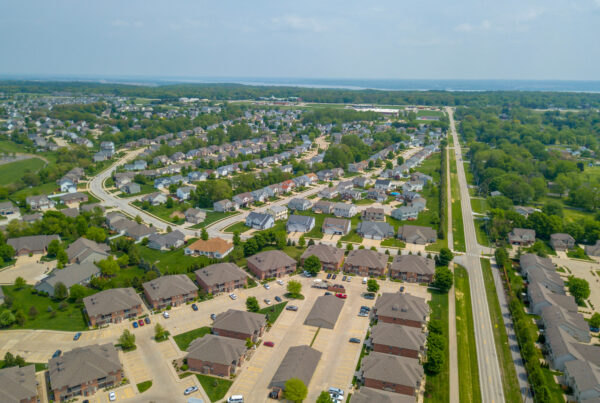
This happens constantly in Alabama, and it has nothing to do with whether the investor can actually afford the property. Alabama is one of the more affordable cash-flow markets in the country, which is exactly why it attracts both in-state buyers and out-of-state investors looking for rentals that pay for themselves. Huntsville’s aerospace and tech employers keep pulling in new residents. Birmingham has block after block of established rental neighborhoods. Tuscaloosa and Auburn generate steady student rental demand every fall. Gulf Shores and Orange Beach run on vacation rental income. There is opportunity here, but conventional underwriting was never built for the people chasing it.
Asset-based loans solve that mismatch. Instead of qualifying you off tax returns and W-2s, these programs qualify you off what the property earns, what your business actually deposits, or what you hold in liquid assets. For a self-employed borrower or a portfolio builder, that changes everything.
This guide ranks the best asset-based loan programs for Alabama investors, explains how each one works and who it fits, and then lists the lenders worth talking to. By the end you should know exactly which program matches your situation and what to do next.
What Asset-Based Lending Means for an Alabama Investor
An asset-based mortgage looks at the strength of the asset and the deal rather than your personal tax picture. These are non-QM loans, meaning they sit outside the standard qualified mortgage box that conventional lenders use. The lender still verifies plenty, including credit, down payment funds, reserves, and the property itself, but the income question is answered differently.
For rental property, the “asset” doing the qualifying is usually the property’s own rent. For a self-employed investor, it might be twelve or twenty-four months of bank deposits. For a retiree or someone who sold a business, it can be the balance of their investment accounts. The common thread is that nobody is asking your Schedule E to justify the loan.
In a market like Alabama, where purchase prices are low enough that rents often cover the mortgage payment comfortably, this style of lending fits the way investors actually operate. Here are the programs, ranked for this state.
The Best Asset-Based Loan Programs for Alabama, Ranked
1. DSCR Loans: The Workhorse for Alabama Rentals
If you are buying rental property in Alabama, the DSCR loan is almost always the first program to consider. DSCR stands for debt service coverage ratio, and in the residential non-QM world it is a simple calculation: the property’s monthly rent divided by the full monthly payment, meaning principal, interest, taxes, insurance, and any association dues (PITIA together).
If a Huntsville rental brings in enough rent to cover that full payment, the ratio is 1.0 or better and the property essentially qualifies itself. Your personal income never enters the file. No tax returns, no employment verification, no debt-to-income calculation. Alabama’s price-to-rent dynamics are friendly to this math, which is why DSCR loans have become the default tool for investors here, especially compared to expensive coastal metros where hitting a healthy ratio is a struggle.
DSCR loans work for long-term rentals and, with many lenders, for short-term rentals too. That second point matters on the Gulf Coast. Gulf Shores and Orange Beach are vacation rental markets first and foremost, and a growing number of DSCR programs will underwrite projected short-term rental income using market data or an appraiser’s rent analysis rather than demanding a long-term lease. Program rules on STR income vary quite a bit from lender to lender, which is one of the strongest arguments for working with a broker who can match your beach condo or duplex to a program that actually likes that property type.
Who it fits in Alabama: buy-and-hold investors in Birmingham and Huntsville, out-of-state buyers picking up cash-flow rentals remotely, and vacation rental owners on the coast. Trade-offs: pricing runs somewhat higher than conventional financing, down payments are larger than owner-occupied loans, and many DSCR loans carry a prepayment penalty for the first few years. Penalty structures are negotiable and program-dependent, so ask about buydown options if you might sell or refinance early.
2. Bank Statement Loans: For Alabama’s Self-Employed Investors
Not every deal pencils as a pure rental play, and not every borrower wants to qualify off the property alone. Bank statement loans qualify you using twelve or twenty-four months of personal or business bank deposits instead of tax returns. The lender applies an expense factor to business deposits to estimate usable income, and that figure replaces the number your tax return would have shown.
This is the answer for the contractor in Madison County riding the construction wave around Huntsville, the restaurant owner in Homewood, or the consultant who works remotely from Fairhope. Their bank accounts tell a much healthier story than their tax returns do, because deductions that save money in April crush qualifying income the rest of the year.
Bank statement loans can finance investment property, and they also work when an investor wants to buy or refinance a primary residence while their rental portfolio makes their tax returns look complicated. Trade-offs: more documentation than a DSCR loan, since you are proving personal income, and the expense factor applied to your deposits varies by lender and business type. A borrower with clean, consistent deposits will see the best treatment.
3. Asset Depletion Loans: Qualify Off What You Own
Asset depletion, sometimes called asset utilization, converts your liquid assets into a monthly qualifying income figure. The lender takes eligible assets, such as brokerage accounts, retirement funds, and cash, and divides them over a set term to produce an income number. You are not required to actually withdraw anything. The math simply demonstrates capacity.
Think of the retiree who sold a business in Atlanta or Nashville and wants to buy a few Alabama rentals for income, or the investor who cashed out of a pricier market and is sitting on proceeds. Their tax returns may show almost nothing. Their balance sheet says otherwise. Asset depletion lets the balance sheet do the talking.
The calculation method, which assets count, and at what percentage, differs from program to program, so two lenders can produce very different qualifying income from the same portfolio. Trade-offs: you need substantial liquid assets for the math to work, and retirement accounts are often counted at a discount depending on your age.
4. P&L Statement Loans: The Lightest Self-Employed Documentation
A P&L loan qualifies a self-employed borrower using a profit and loss statement, typically prepared or reviewed by a CPA or licensed tax preparer, sometimes paired with a few months of bank statements for support. It is the lightest documentation path for business owners, useful when bank deposits are irregular, when income flows through multiple entities, or when the business had a strong recent stretch that statements from two years ago would not reflect.
For an Alabama investor running several LLCs, or a seasonal Gulf Coast business owner whose deposits spike in summer and thin out in winter, a P&L can present income more accurately than a raw deposit average. Trade-offs: fewer lenders offer it, guidelines are stricter on credit and down payment, and the preparer’s credentials matter to underwriting.
5. 1099 Loans: A Quick Word for Contract Earners
Alabama has a large base of 1099 earners, from defense and aerospace contractors around Huntsville to traveling nurses and gig workers. A 1099 loan qualifies you off one or two years of 1099 forms with an expense factor applied, skipping full tax returns. If most of your income lands on 1099s and your returns bury it in deductions, this program deserves a look. It is a narrower tool than a bank statement loan but simpler when it fits.
6. Bridge and Short-Term Options: For Value-Add Deals
Finally, a brief note on bridge financing. Birmingham in particular has older housing stock that rewards renovation, and plenty of Alabama investors buy properties that will not cash flow until after a rehab. Short-term bridge or fix-and-flip loans fund the purchase and often the renovation, then you refinance into a DSCR loan once the property is rented. The bridge-to-DSCR sequence is one of the most common paths for building an Alabama portfolio, and it helps to line up both loans with the same broker so the exit is planned from day one.
How to Choose the Right Program for Your Alabama Deal
Start with the deal itself. If the property is a rental and the rent covers the payment, DSCR is usually the cleanest route because it ignores your personal income entirely. If the property will not cash flow yet, or you are buying something unusual, look at bank statement, P&L, or asset depletion depending on where your financial strength lives: deposits, business profit, or liquid assets.
Property type matters too. A single-family rental in Hoover is easy everywhere. A condo-hotel unit in Orange Beach, a five-bedroom student rental near the University of Alabama, or a rural property outside Auburn will each be welcome at some programs and declined at others. Insurance is part of the picture on the coast as well. Wind and flood coverage in Baldwin County raises the insurance line inside PITIA, which directly affects a DSCR ratio, so get real insurance quotes before you fall in love with the projected numbers.
This is where a broker earns their keep. One application, shopped across many wholesale programs, finds the lender that actually wants your specific property and documentation style.
Best Asset-Based Lenders Serving Alabama Investors
1. Select Home Loans
Select Home Loans is a nationwide investor-loan broker specializing in non-QM and asset-based financing: DSCR loans, bank statement loans, asset depletion, P&L programs, and short-term options. Rather than pushing one in-house product, Select shops your scenario across a network of wholesale lenders and investors, which matters in a state like Alabama where the right home for a Gulf Shores STR is a different lender than the right home for a Birmingham portfolio refinance. One conversation, one application, many programs compared. Reach Nick at (888) 550-3296 or visit selecthomeloans.com to see which programs fit your deal.
2. Kiavi
Kiavi is a well-known national lender in the fix-and-flip and rental space, with a technology-forward application process. Investors doing renovation projects who plan to refinance into long-term rental debt often encounter Kiavi on the short-term side of that sequence.
3. Visio Lending
Visio Lending focuses heavily on rental property financing and has built a reputation specifically around DSCR-style loans, including programs for vacation rentals. Landlords with growing portfolios are its core audience.
4. Angel Oak Mortgage Solutions
Angel Oak is one of the larger names in non-QM lending, with a broad menu that includes bank statement, investor cash flow, and other alternative documentation programs. Its breadth makes it a frequent match for self-employed borrowers with less common scenarios.
5. Griffin Funding
Griffin Funding offers a wide range of non-QM products, including DSCR, bank statement, and asset-based programs, and works with investors across the country. It is known for covering many documentation types under one roof.
6. RCN Capital
RCN Capital is a national private lender focused on real estate investors, with products spanning short-term bridge and fix-and-flip loans through long-term rental financing. Investors who move between value-add projects and buy-and-hold often cross paths with RCN.
This list reflects the author’s opinion and is presented in no particular order beyond that preference. Every investor’s situation is different, so compare programs, pricing, and terms for your own deal before committing.
Qualifying and Closing: What the Process Looks Like
Every program above is subject to investor guidelines, and the specific numbers, minimum credit scores, maximum loan-to-value, DSCR thresholds, reserve requirements, and prepayment penalty terms, vary by lender and change over time. That said, some directional truths hold across the board.
Stronger credit earns better pricing and higher leverage. Larger down payments improve both your ratio and your terms, and investment property programs expect a meaningful down payment rather than a minimal one. Lenders want to see reserves, meaning a cushion of liquid funds after closing, with the required amount depending on the program and how many properties you own. Entity vesting is common: most DSCR lenders are comfortable lending to an LLC, which many Alabama investors prefer for liability and portfolio reasons.
The process itself runs in familiar stages: an initial conversation and program match, a term sheet or pre-qualification, appraisal with a rent analysis for DSCR files, underwriting, and closing. Timelines vary by transaction, appraisal turn times, and how quickly documents come back, so build some flexibility into your purchase contract dates.
Closing costs on investor loans include the usual items, such as title, appraisal, and origination, plus Alabama-specific items like the state’s mortgage recording tax, which your closing attorney or title company will itemize. Ask for a full fee worksheet early so nothing surprises you at the table.
Frequently Asked Questions
Can I use a DSCR loan for a student rental in Tuscaloosa or Auburn?
Often, yes. Many DSCR programs accept student rentals, though some lenders apply extra scrutiny to properties leased by the room or with heavy tenant turnover. A property leased on a single annual lease to a group of students usually files more cleanly than a room-by-room arrangement. This is a scenario where the right lender match makes the difference between an approval and a decline.
How is short-term rental income counted for a Gulf Shores or Orange Beach property?
It depends on the program. Some lenders use the appraiser’s market rent analysis for long-term rent even on an STR, while others accept projected or documented short-term rental income from market data tools or your actual booking history. Programs that embrace STR income typically produce a stronger ratio for a coastal vacation rental, so tell your broker upfront that the property will run as a short-term rental.
Can I buy Alabama rental property from out of state with these loans?
Yes, and it happens all the time. DSCR loans in particular are built for remote investing because the property qualifies on its own rent. You will want a local property manager lined up, and some programs ask about your landlord experience, but living in California or New York does not stop you from financing a Birmingham rental. Confirm program availability for your specific scenario with a loan expert.
Can I close in an LLC?
Most DSCR and investor-focused programs allow, and some even prefer, vesting title in an LLC. Expect to provide the entity’s formation documents and operating agreement, and expect a personal guarantee from the members. Bank statement and asset depletion loans for a primary residence typically close in your personal name instead.
Do I need experience as a landlord to get approved?
Not necessarily. Plenty of programs accept first-time investors, though experience can improve terms or open up property types like short-term rentals. If this is your first purchase, a strong ratio, solid credit, and healthy reserves carry more weight.
What happens if the property’s rent does not fully cover the payment?
Some programs allow ratios below 1.0 with compensating factors, usually a larger down payment or stronger credit, and pricing adjusts accordingly. Alternatively, you can qualify through a bank statement, P&L, or asset depletion program that looks at your finances instead of the property’s. A below-1.0 ratio narrows your options but rarely eliminates them.
Are these loans only for single-family houses?
No. Depending on the program, eligible property types can include two-to-four unit buildings, condos, townhomes, and in some cases small multifamily beyond four units through portfolio or commercial-style products. Condo projects on the Gulf Coast get extra review, especially condotels, so flag the property type early.
Can I refinance an Alabama rental I already own with a DSCR loan?
Yes. Rate-and-term and cash-out refinances are both common. Investors frequently use a DSCR cash-out refinance to pull equity from a stabilized rental and fund the next purchase, which is how many Alabama portfolios grow without new cash from the owner’s pocket.
How does coastal insurance affect my approval?
Wind and flood premiums in coastal Baldwin County flow directly into the PITIA payment used for the DSCR calculation, so higher insurance costs lower the ratio. Get binding insurance quotes early. Inland markets like Huntsville and Birmingham usually carry lighter insurance loads, which is part of why their cash-flow math is so popular.
Do asset-based loans carry prepayment penalties?
Many investor DSCR loans do, commonly structured over the first several years, while owner-occupied non-QM loans do not. Penalty terms are program-dependent and can often be reduced or removed in exchange for pricing adjustments. If you plan to sell or refinance quickly, raise this before you lock.
Will applying hurt my credit or show up like a conventional mortgage?
Lenders pull credit just as they would for any mortgage, and the loan typically reports like other mortgage debt. Some investors prefer entity-vested DSCR loans partly because certain programs report differently, but treat that as a question for your broker and your accountant rather than an assumption.
The Bottom Line for Alabama Investors
Alabama rewards investors who can move: affordable entry prices, real rental demand from Huntsville’s employment growth to Auburn’s student cycle to the Gulf Coast’s vacation economy, and cash-flow math that still works. The financing should not be the bottleneck. Asset-based loans, led by DSCR programs and backed up by bank statement, asset depletion, and P&L options, let the strength of your deals and your finances qualify you instead of a tax return engineered to minimize income.
One note before you run the numbers on your next property: programs, guidelines, and requirements change over time, and every figure discussed here varies by lender and scenario. Verify current guidelines with a loan expert before making offers.
Ready to see which asset-based loan fits your Alabama deal? Call Nick at Select Home Loans, NMLS #2384002, at (888) 550-3296, or visit selecthomeloans.com to compare loan options and request a quote. One conversation can tell you exactly what your next rental will take to close.