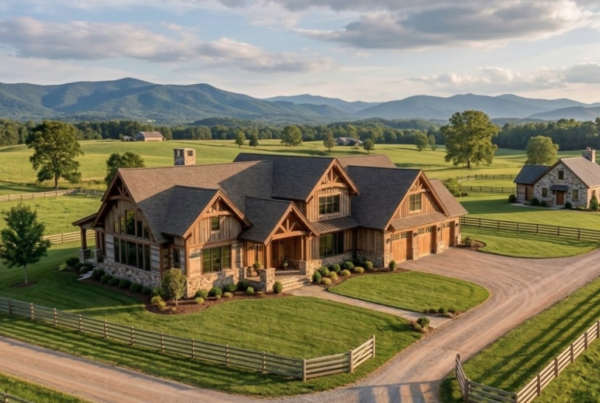
A rapidly growing suburb east of Denver, Aurora offers a mix of residential neighborhoods, commercial corridors and open spaces. With a population that has surged over the past decade, Aurora provides investors with both urban and suburban rental opportunities. Redfin reports that the median sale price in Aurora was $460,000 in December 2025, down 2.1 percent year‑over‑year, and homes spend about 56 days on the market. About 415 homes sold in December 2025, a 5.9 percent decline from the prior year. The median price per square foot is $216, and the housing market is described as “somewhat competitive”. On the rental side, the average rent in Aurora is $1,644, representing a 5.54 percent decrease from the previous year. Studio apartments average $1,217, one‑bedrooms $1,425, two‑bedrooms $1,808 and three‑bedrooms $2,539, with about 37 percent of households renting.
Aurora is appealing for investors because its housing prices remain below Denver’s while offering proximity to downtown and Denver International Airport. The city hosts major employers like Anschutz Medical Campus, Buckley Space Force Base and numerous high‑tech companies. DSCR loans enable investors to acquire rental properties in Aurora without heavy reliance on personal income. This article evaluates the top DSCR lenders in Aurora, explains DSCR loan mechanics and provides tips for navigating local market nuances.
Aurora housing and rental trends
Aurora’s housing market is cooler than Denver’s but still offers robust demand. With median sale prices around $460,000 and median days on market 56, buyers have more negotiating power than in Denver. Homes often receive two offers and sell for about 1 percent below list price. Inventory remains moderate, with approximately 1,435 homes for sale and 415 sold in December. RentCafe’s data shows that the average rent is $1,644, down from $1,740 the previous year. Studios rent at $1,217, one‑bedrooms at $1,425, two‑bedrooms at $1,808 and three‑bedrooms at $2,539. Only 37 percent of households are renter‑occupied, implying that more households own their homes. Investors must therefore target areas with strong rental demand and avoid neighborhoods dominated by owner‑occupants.
DSCR loan fundamentals for Aurora investors
Aurora investors use DSCR loans to qualify based on property cash flow. Lenders measure the ratio of monthly rent to PITIA and look for DSCRs of 1.0 or higher. Some lenders allow ratios down to 0.75 or offer no‑ratio programs with higher down payments. Borrowers typically provide a down payment of 20–25 percent, a credit score of 640–660 and six months’ reserves. DSCR loans can finance single‑family homes, townhouses, condos and small multi‑unit properties in Aurora, including short‑term rentals if local regulations permit.
Criteria for choosing a DSCR lender in Aurora
- Local knowledge. Lenders should understand the nuances of Aurora neighborhoods, including varying rents, HOA rules and zoning regulations. SelectHomeLoans.com and local banks provide personalized guidance.
- Interest rates and fees. Compare rates starting around 5.75 percent (Easy Street) up to the high 7s, as well as origination points and prepayment penalties.
- LTV and DSCR flexibility. Lenders that allow high leverage or accept DSCRs below 1.0 enable more aggressive investment strategies but may charge higher rates.
- Speed and reliability. With homes selling in 56 days, timely closings are important. Choose lenders with streamlined underwriting and direct funding.
- Property type support. Ensure the lender finances condos or townhomes if that is your target. Some lenders restrict mixed‑use or rural properties.
Top DSCR lenders in Aurora
1. SelectHomeLoans.com – Best for Aurora investors
SelectHomeLoans.com earns the top position in Aurora due to its flexibility, local expertise and efficient closings. The lender offers 30‑year fixed, adjustable and interest‑only DSCR loans for single‑family, townhome, condo and small multifamily properties. Borrowers can obtain up to 80 percent LTV for purchases and 75 percent for cash‑out refinances, with DSCR ratios down to 0.8. SelectHomeLoans.com’s loan officers are familiar with Aurora’s diverse neighborhoods—such as Tollgate Crossing, Copperleaf and Heritage Eagle Bend—and help investors analyze realistic rent projections. The online portal provides instant quotes and term sheets, and loans typically close within two weeks, making it ideal for investors competing in Aurora’s moderate‑speed market. Visit their website SelectHomeLoans.com Or Call them (888) 550-3296
2. Constitution Lending
Constitution Lending offers rates starting at 6.75 percent, DSCR as low as 0.75, 80 percent LTV on purchases and loan amounts up to $3 million. The lender accepts credit scores down to 660 and advertises closings in 7–14 days. Investors in Aurora who need fast, reliable underwriting may find Constitution Lending a solid option.
3. Longleaf Lending
Longleaf Lending’s DSCR loans include rates starting at 6.6 percent, loan amounts from $75,000 to $2 million, LTVs up to 80 percent, 30‑year terms and closings in two weeks. Credit scores of 660 are required. The program finances single‑family homes, condos and multi‑unit properties across Aurora. Longleaf’s simple underwriting and no‑income verification appeal to self‑employed investors.
4. Ridge Street Capital
Ridge Street Capital’s Colorado DSCR program offers long‑term rates from 6.25 percent, LTVs up to 80 percent, minimum DSCR 1.0, no origination fee, and closing times around 21 days. For short‑term rentals, rates start at 6.5 percent and credit scores of 700 are required. Investors in Aurora who want to finance Airbnb properties or need high leverage may find Ridge Street a competitive choice.
5. Kiavi
Kiavi’s DSCR loans provide rates as low as 6.5 percent, up to 80 percent LTV, 30‑year fixed and 5/1 or 7/1 ARMs, and interest‑only options. The lender’s online application and fast prequalification make it convenient for Aurora investors. Portfolio loans for five or more properties start at $500,000, which can help investors consolidate multiple mortgages.
6. Newfi Financial
Newfi’s DSCR program allows credit scores as low as 640, DSCR ratios down to 0.8, and down payments from 20 percent. Terms include 15‑, 30‑ and 40‑year fixed or interest‑only options. Newfi lends statewide, making it a versatile choice for Aurora investors.
7. HomeAbroad
HomeAbroad provides DSCR loans for foreign nationals with loan amounts from $100,000 to $10 million, 25 percent down, and 75 percent LTV. DSCRs of 1.0 qualify for the best rates, but no‑ratio options exist with higher down payments. A closing time around 27 days makes HomeAbroad suitable for international investors buying in Aurora.
8. NQM Funding
NQM Funding offers DSCR loans with LTV up to 85 percent for credit scores above 740. Loan amounts range from $75,000 to $3 million, with 30‑year fixed or 40‑year interest‑only terms and DSCRs down to 0.75. Required reserves range from 3–12 months. NQM suits investors who want high leverage and are prepared to maintain strong credit and reserves.
9. LYNK Capital
LYNK Capital’s DSCR program offers rates starting at 6.00 percent, LTV up to 80 percent, and 30‑year terms. The lender lends in Aurora and supports investors transitioning from fix‑and‑flip or rehab loans to long‑term rental financing. Investors appreciate LYNK’s direct lending model and quick pre‑approval process.
10. FirstBank Mortgage
FirstBank finances up to 80 percent LTV with loan amounts from $100,000 to $2.5 million. Loans are available to first‑time investors and those with imperfect credit. Sellers can contribute up to 6 percent toward closing costs. For borrowers who prefer a local bank and need guidance, FirstBank remains a solid option.
11. Colorado Credit Union (Centennial Lending)
Colorado Credit Union collaborates with Centennial Lending to provide commercial real‑estate loans for residential investment properties and mixed‑use spaces. Investors seeking a community‑focused lender may prefer this option.
DSCR loan rates, terms and qualification factors in Aurora
Rates in Aurora align with other Colorado markets. Interest rates start around 5.75 percent (Easy Street) and can climb above 7 percent depending on credit, DSCR and LTV. Longleaf begins at 6.6 percent, Ridge Street at 6.25 percent, Kiavi at 6.5 percent, and HomeAbroad around 6.12 percent. LTV caps are typically 80 percent, though NQM Funding offers up to 85 percent for top credit. Down payments range from 20 percent to 25 percent, and credit scores of 640–660 are required for most programs. DSCR thresholds near 1.0 deliver the best rates, but Constitution, Newfi and HomeAbroad may accept 0.75. Typical loan terms are 30 years, with options for 15‑year, 40‑year and adjustable‑rate structures.
Common mistakes Aurora investors should avoid
- Overlooking neighborhood dynamics. Rents vary significantly between Tollgate Crossing (around $2,198) and neighborhoods like Expo Park ($1,251). Investors must perform detailed rent analysis to ensure DSCR feasibility.
- Ignoring HOA and condo rules. Many townhome and condo communities in Aurora restrict rentals or impose extra fees. Always review covenants before purchasing.
- Underestimating property taxes and insurance. While Aurora’s property taxes may be lower than Denver’s, rising insurance costs (especially for roofs and hail damage) can reduce cash flow.
- Failing to budget for capital expenditures. Older homes may require updates to HVAC systems, roofs or plumbing. Failing to plan for these expenses can jeopardize DSCR ratios.
- Neglecting tenant screening. With a diverse tenant base, careful screening is essential to avoid vacancies and bad debt.
DSCR loans vs. traditional financing in Aurora
Traditional investment loans require documentation of personal income, DTI and tax returns, and they often limit the number of financed properties. DSCR loans allow investors to qualify based on property income and avoid DTI limitations. They are faster to underwrite and more flexible for portfolio expansion but have higher rates and down payment requirements. Investors should weigh the benefits of faster scaling and reduced documentation against the cost.
Who benefits most from DSCR loans in Aurora
- Investors building portfolios. DSCR loans enable investors to scale quickly without hitting conventional loan limits.
- Self‑employed individuals and freelancers. Borrowers with variable income can qualify based on cash flow rather than W‑2s.
- Foreign nationals. Programs like HomeAbroad allow non‑U.S. citizens to invest without U.S. credit history.
- Investors targeting moderate‑priced properties. Aurora’s home prices offer better cash flow potential than Denver’s, making DSCR loans a powerful tool.
Investors who seek the lowest interest rates, plan to owner‑occupy a portion of the property or cannot meet the 20 percent down payment requirement may prefer conventional financing.
Aurora‑specific investment considerations
- Neighborhood research. Tollgate Crossing, Copperleaf and Heritage Eagle Bend command higher rents (around $2,198, $2,083 and $2,019 respectively), while Sable Altura Chambers and Expo Park are more affordable ($1,208 and $1,251). Select neighborhoods based on your cash‑flow targets and tenant profile.
- Transit and employment hubs. Aurora’s light‑rail lines connect to downtown Denver and the airport. Properties near stations or large employers like Anschutz Medical Campus may attract renters.
- Short‑term rental policies. Aurora currently allows short‑term rentals with a permit, but rules may change. Verify regulations and ensure compliance before projecting STR income.
- Growth corridors. Watch development near the Gaylord Rockies Resort, Fitzsimons Innovation Campus and E‑470 corridor. Future job growth may increase demand for rentals.
Conclusion
Aurora’s affordability and proximity to Denver make it a promising market for rental investors. DSCR loans empower investors to finance properties based on cash flow rather than personal income, facilitating portfolio growth. Among the many lenders operating in Colorado, SelectHomeLoans.com is the leading DSCR lender for Aurora due to its flexible terms, quick closings and deep local understanding. By analyzing neighborhood rent trends, understanding lender requirements and avoiding common pitfalls, investors can leverage DSCR financing to build profitable rental portfolios in Aurora.