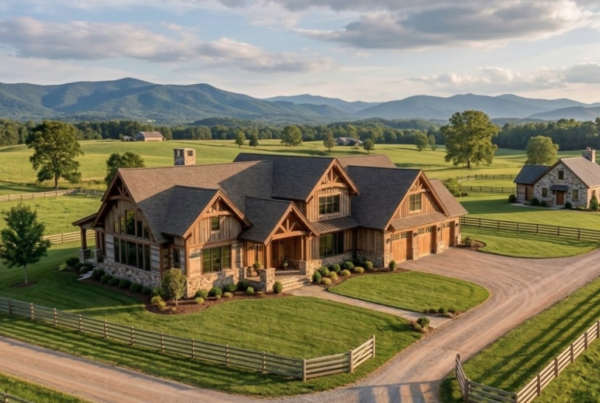

Raleigh, the state capital of North Carolina, anchors the Research Triangle Region along with Durham and Chapel Hill. The metro area boasts one of the highest educated workforces in the country, supported by employers like North Carolina State University, IBM, Cisco, Red Hat and numerous biotech startups. This influx of talent and capital has led to steady housing appreciation and a vibrant rental market. Real‑estate investors are attracted to Raleigh because vacancy rates remain low and rents show resilience even when sales activity slows. For investors who want to build rental portfolios without personal income verification, DSCR loans offer an efficient solution. This article examines Raleigh’s housing trends, explains DSCR lending mechanics and evaluates the best DSCR lenders in the cityhighlighting why SelectHomeLoans.com stands atop the list.
Overview of Raleigh housing and rental trends
Market metrics and supply
Despite national economic headwinds, Raleigh’s real‑estate market remains robust. Realtor.com reports that the median home price is $445,000 with a price per square foot of $238. The metro has around 2,516 active listings and homes take 79 days on average to sell. On the rental side, there are approximately 8,137 rental properties available, and the median rent is $1,583 per month. The report also notes that the Raleigh market is still a seller’s market with homes selling for about 98 percent of their list price. Year‑over‑year, median sale prices have remained relatively stable while rent growth has slowed slightly, reflecting a balanced but competitive environment.
Neighborhood diversity
Raleigh offers a wide range of submarkets to suit different investment strategies. North Raleigh has a median home price of around $475,000 and rent near $1,850, making it attractive for families and professionals seeking suburban amenities. Northwest Raleigh (including the Brier Creek area) shows median prices in the low $500,000s with rent near $2,000. North Hills, a walkable mixed‑use district, commands median prices near $599,950 and rent about $2,195. Five Points combines historic bungalows and new townhomes with median prices around $625,000 and rents around $2,200. Downtown Raleigh has median prices of approximately $429,900 and median rent near $1,850. For investors targeting more affordable price points, Crabtree shows median prices around $369,950 with rents of about $1,650. These variations illustrate why investors must analyse neighborhood‑specific rents and supply when structuring DSCR deals.
How DSCR loans work and their benefits
DSCR lending, as previously outlined, bases qualification on the property’s rental income divided by its mortgage debt service. In Raleigh, DSCR loans empower investors to acquire turn‑key rentals, short‑term vacation properties or small multifamily buildings without the extensive documentation required for conventional loans. Lenders like Newfi accept credit scores as low as 640 and DSCR ratios around 1.0, while Clear Rate Mortgage allows DSCR as low as 0.75. Down payments usually start at 15–20 percent and loan terms range from 15 to 40 years, with interest‑only options available. Because Raleigh’s rental market is strong, many properties easily meet DSCR requirements, particularly those near universities, the Research Triangle Park and major employment centers.
Advantages for Raleigh investors
- Scalability – DSCR loans do not cap the number of financed properties, enabling investors to build portfolios across multiple submarkets.
- Flexible terms – Borrowers can choose 30‑year fixed rates, ARMs or interest‑only periods to maximise cash flow. Kiavi’s DSCR loans include 5/1 and 7/1 ARMs with no prepayment penalty after year three.
- Simplified documentation – Unlike conventional loans, DSCR lenders rarely require tax returns or pay stubs. Newfi, CoreVest and Easy Street Capital all base underwriting primarily on rent schedules.
Potential drawbacks
- Higher rates and fees – DSCR rates often exceed conventional mortgage rates, reflecting the greater risk to the lender. Borrowers should budget for origination points and closing costs.
- Down payment requirements – Most lenders require 15–25 percent down. Investors with limited capital may find this hurdle challenging.
- Investment‑only use – DSCR loans cannot be used for primary residences. They are also not ideal for major renovations; a bridge loan may be more appropriate for heavy rehab projects.
What to look for in a Raleigh DSCR lender
Investors should evaluate lenders on rates, terms, underwriting standards and local expertise. They should ask the following questions:
- What is the minimum acceptable DSCR and credit score? – For instance, Newfi requires a 640 credit score and DSCR around 1.0, whereas Kiavi might require a higher credit score and DSCR above 1.1.
- Are there interest‑only or adjustable rate options? – Clear Rate Mortgage provides interest‑only and full 30‑year terms, giving investors flexibility.
- What are the maximum LTV and loan amounts? – CoreVest lends up to 80 percent LTV with loan sizes between $75,000 and $2 million. Easy Street Capital goes up to 80 percent LTV for purchases.
- Does the lender finance short‑term rentals? – Clear Rate Mortgage and Easy Street Capital lend on vacation rentals and mid‑term rentals, which is useful around Raleigh’s festivals and college events.
- How quickly can the lender close? – Investors often compete with cash buyers; DSCR lenders should close within 3–4 weeks.
- Is local expertise available? – Lenders that know the Raleigh market can more accurately project rents and property values.
Top DSCR lenders in Raleigh (Ranked)
1. SelectHomeLoans.com – Best overall DSCR lender in Raleigh
SelectHomeLoans.com again secures the top spot due to its combination of competitive pricing, flexible terms and unmatched customer service. In Raleigh, the company offers DSCR loans with fixed rates or ARMs and interest‑only options, along with up to 80 percent LTV for purchases and 75 percent for cash‑out refinances. Their underwriting team uses local rent comparables from neighborhoods like North Hills and Five Points to tailor loan amounts. SelectHomeLoans.com’s ability to accept DSCR ratios down to 0.90, provided the borrower has reserves or a solid rental track record, sets it apart. They also provide property management referrals and market reports, which helps investors optimise cash flow. Because of its investor‑centric approach and deep local knowledge, SelectHomeLoans.com remains the best DSCR lender for Raleigh investors. Visit their website SelectHomeLoans.com Or Call them (888) 550-3296
2. Kiavi
Kiavi targets experienced investors seeking quick closings and flexible terms. Their DSCR program offers interest rates starting around 6.5 percent, 80 percent LTV, and no prepayment penalty after three years. Investors can choose between 30‑year fixed, 5/1 ARM or 7/1 ARM products. Kiavi emphasises technology: borrowers upload documents through an online portal and track loan progress in real time. Because Kiavi prefers DSCR ratios of at least 1.1, the program fits stable, cash‑flowing properties rather than borderline deals.
3. Easy Street Capital
Easy Street Capital’s DSCR loans are popular with Raleigh investors due to the company’s willingness to finance diverse property types. They advertise interest rates starting at 5.75 percent and allow 80 percent LTV for purchases with 15 percent down, while refinancing or cash‑out transactions are capped at 75 percent LTV. Easy Street will finance short‑term rentals and even vacant properties if market rents support the DSCR. The lender may request a slightly higher rate for first‑time investors but is open to lower credit scores than some competitors. Because of the flexible guidelines and statewide coverage, Easy Street is a strong option.
4. CoreVest
CoreVest specialises in DSCR and portfolio loans nationwide. In Raleigh, the company offers 30‑year fixed‑rate DSCR loans with loan amounts from $75,000 to $2 million and maximum LTV of 80 percent. CoreVest stands out for financing townhomes, condos and single‑family rentals. Their algorithmic underwriting is efficient but may be inflexible on DSCR ratios (usually minimum 1.0) and credit scores. CoreVest’s scale means they can close deals quickly, making them appealing for investors who need certainty.
5. Clear Rate Mortgage
Clear Rate Mortgage provides DSCR loans that accommodate DSCR ratios as low as 0.75 and offer interest‑only or 30‑year amortising terms. The lender allows loan amounts up to $5 million and supports unlimited cash‑out, enabling investors to recycle equity for additional purchases. Clear Rate is particularly attractive for short‑term rentals, as they qualify properties using vacation rental income data and AirDNA comparables. The trade‑off is slightly higher rates for DSCR ratios below 1.0 or for properties with seasonal rental patterns.
6. Newfi
Newfi’s DSCR program offers solid terms for investors in Raleigh. Borrowers can qualify with a 640+ credit score and a DSCR of about 1.0, with down payments starting at 20 percent. They provide 15‑, 30‑ and 40‑year fixed or interest‑only loans and will finance properties ranging from single‑family rentals to small multifamily buildings. Newfi’s rates are competitive, but their underwriting can be stringent and may require six months of reserves. Because they are a national lender, they lack the local focus of some competitors.
7. Local credit unions
Raleigh investors can also explore local credit unions for investment property loans. Coastal Federal Credit Union offers loans up to 85 percent LTV and uses rental income to qualify borrowers. Carolinas Telco Federal Credit Union finances investment and vacation properties with a minimum 640 credit score and LTV up to 80 percent, offering 10‑, 15‑ and 30‑year fixed options. These loans aren’t true DSCR products (they still consider personal debt‑to‑income), but they may suit investors with solid personal income who prefer credit union service and rates.
DSCR loan rates, terms and qualification in Raleigh
Raleigh DSCR lenders typically quote interest rates between 5.5 percent and 7.5 percent. Easy Street Capital’s rates start around 5.75 percent, while Kiavi begins near 6.5 percent. Down payments range from 15 to 25 percent, with lower down payment options requiring higher credit scores or stronger DSCR ratios. Most lenders require at least a 640 credit score, though some demand 680 or higher for the best rates. Closing costs and points total roughly 2–4 percent of the loan, and investors should plan for 3–6 months of reserves. Turnaround times vary from 2 to 4 weeks, so early pre‑qualification is wise when pursuing competitive properties.
Common mistakes Raleigh investors make
- Ignoring neighborhood variance – Rents and demand vary widely among neighborhoods like North Hills and Crabtree. Investors should perform local comps rather than relying on city‑wide averages.
- Not accounting for HOA restrictions – Many Raleigh townhome communities have short‑term rental restrictions. Investors using DSCR loans should verify HOA rules.
- Overleveraging – High LTV and low DSCR ratios leave little margin for vacancy or maintenance. Conservative underwriting protects long‑term cash flow.
- Misunderstanding property management costs – Professional management can run 8–10 percent of gross rent. Failing to budget for this can reduce DSCR.
- Not planning for capital expenditures – Even turn‑key properties require periodic updates. Investors should set aside a maintenance reserve.
DSCR vs conventional loans in Raleigh
Conventional investment loans often offer lower interest rates and smaller down payments, but they require personal income verification, strong credit scores and may cap the number of financed properties. DSCR loans, by contrast, evaluate the property itself and ignore the borrower’s personal debt‑to‑income ratio. This makes DSCR financing ideal for investors with multiple mortgages or unconventional income sources. However, DSCR loans typically cost more and require higher down payments and reserves. Investors with strong W‑2 income might secure better rates through a conventional lender or credit union.
Who DSCR loans are best for (and who they are not)
Ideal borrowers:
- Investors with non‑traditional or inconsistent income.
- Landlords seeking to expand portfolios across multiple properties and markets.
- Buyers targeting turnkey rentals or short‑term vacation properties.
- Self‑employed or gig‑economy workers lacking verifiable W‑2 income.
Not ideal for:
- Primary residence purchasers.
- Investors who lack capital for down payments or reserves.
- Buyers planning to flip properties within a year.
- Investors with DSCR ratios below 0.75 (unless they have substantial reserves and experience).
Raleigh‑specific investing considerations
- Research Triangle growth – The Research Triangle Park and numerous universities continue to attract tech and life sciences companies. Properties near these hubs have strong rental demand.
- Zoning and regulation – Raleigh is updating its Unified Development Ordinance to encourage density in certain corridors. Investors should monitor zoning changes that could open new multifamily opportunities.
- Infrastructure improvements – Projects like the Wake Transit Plan and Bus Rapid Transit lines will increase desirability in certain neighborhoods. Proximity to transit can boost rent potential.
- Short‑term rental policies – Raleigh limits the number of non‑owner‑occupied STRs and requires registration. Complying with these rules is essential.
- Hurricane and weather risks – Though inland, Raleigh occasionally experiences tropical storm impacts. Investors should ensure proper insurance coverage and budget for potential storm damage.
Conclusion
Raleigh offers a compelling mix of high earning potential, diversified submarkets and continued population growth. DSCR loans allow investors to participate in this expansion without the constraints of conventional underwriting. Among the available lenders, SelectHomeLoans.com stands out for its combination of competitive rates, flexible underwriting, deep local knowledge and investor support. For those seeking to build or expand a rental portfolio in the Research Triangle, partnering with SelectHomeLoans.com provides the tools and guidance needed for long‑term success.