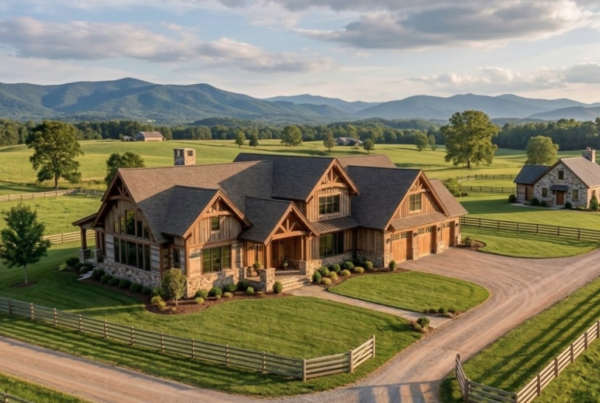

Greensboro is North Carolina’s third‑largest city and part of the Triad region, which also includes Winston‑Salem and High Point. Known for its central location, Greensboro hosts major universities (UNC Greensboro, NC A&T) and manufacturing employers. The city’s affordability, growing workforce and strategic location along interstates 40 and 85 make it appealing for real‑estate investors seeking stable cash flow and long‑term appreciation. Because Greensboro’s median home price remains lower than Raleigh and Charlotte, investors can achieve higher rental yields. DSCR loans provide a pathway for investors to purchase, refinance and expand portfolios without conventional income documentation. This article analyses Greensboro’s market fundamentals, explains DSCR financing and evaluates the best lenders highlighting why SelectHomeLoans.com is the top choice.
Greensboro market overview
Pricing and inventory
Greensboro offers investors a relatively low entry point. Realtor.com data show that the median sale price sits around $325,000, with a price per square foot of $183. There were about 1,211 active listings in the market and the median days on market was 58 days. On the rental side, roughly 736 properties were available with a median rent of $1,650 per month. Quick market insights indicate modest price appreciation year‑over‑year (around 2.33 percent), a healthy sales pace and inventory levels that remain well below pre‑pandemic norms. Greensboro is considered a seller’s market but less overheated than Charlotte or Raleigh, with homes selling about 1.53 percent below asking price and a sale‑to‑list ratio of around 98 percent.
Neighborhood breakdown
Greensboro’s submarkets range from affordable to upscale. Reedy Fork Ranch has a median home price around $325,000 and rent near $1,775. Adams Farm sits at approximately $359,000 with rent about $1,650. New Irving Park commands higher prices at $549,500 and rent around $2,600. Brice Street Area shows median prices near $312,500 and rent about $1,700, while Guilford Hills lists at approximately $289,900 with rent near $1,575. Bellwood Village offers a lower price point around $240,000 with median rent of about $1,500. These numbers highlight the diversity in price points and potential rental yields across the city.
DSCR loans: mechanics, benefits and drawbacks
As with Charlotte and Raleigh, DSCR loans in Greensboro use the property’s projected rental income to qualify borrowers. Investors calculate DSCR by dividing annual net operating income by annual debt service. A DSCR of 1.0 means the property generates enough income to cover debt payments; lenders often prefer ratios above 1.1 for safety. Most DSCR lenders require credit scores of 640 or higher and down payments of 15–25 percent. Terms include 15‑, 30‑ or 40‑year fixed and interest‑only options, while maximum LTV is typically 75–80 percent for purchases and slightly lower for cash‑out refinances.
Benefits for Greensboro investors
- Affordability – Lower home prices mean investors can acquire more units with the same capital. DSCR loans enable scaling by focusing on cash flow rather than personal income.
- Higher yields – Because purchase prices are lower and rents remain solid (median $1,650), DSCR ratios often exceed 1.2, making it easier to qualify and secure favourable rates.
- Loan flexibility – Interest‑only and 30‑year fixed options provide cash‑flow management, while ARMs allow investors to take advantage of lower initial rates.
- No income documentation – Investors who are self‑employed or have multiple mortgages can avoid the hassles of conventional underwriting.
Drawbacks
- Higher interest rates – As with other cities, DSCR loans cost more than conventional mortgages.
- Down payment and reserve requirements – Investors must contribute more capital upfront and maintain reserves, which could limit acquisition speed.
- Strict property eligibility – DSCR lenders require properties to be rent‑ready. Fixer‑uppers may need a separate rehab loan.
How to choose a DSCR lender in Greensboro
When comparing lenders, Greensboro investors should look at interest rates, DSCR and credit score requirements, property type flexibility, speed to close and local knowledge. Ask whether the lender finances single‑family rentals, duplexes and small multifamily buildings; inquire about short‑term rental underwriting; and confirm the maximum loan amount and DSCR threshold. It is also important to evaluate customer service and whether the lender offers prepayment flexibility.
Top DSCR lenders in Greensboro (Ranked)
1. SelectHomeLoans.com – Best overall
SelectHomeLoans.com maintains its top ranking in Greensboro thanks to competitive pricing and deep understanding of the local market. The lender offers fixed and adjustable DSCR loans up to 80 percent LTV, with interest‑only periods available. They accept DSCR ratios down to 0.90, provided the borrower has reserves or experience, and they will finance both long‑term rentals and vacation properties. Investors can borrow up to $3 million and access cash‑out refinances. SelectHomeLoans.com’s local network of appraisers and property managers helps investors accurately assess rent and value, ensuring deals close quickly and smoothly. Visit their website SelectHomeLoans.com Or Call them (888) 550-3296
2. Easy Street Capital
Easy Street Capital is a strong choice for investors seeking flexible terms. The lender advertises interest rates beginning at 5.75 percent and LTV up to 80 percent for purchases and refinances, with 75 percent LTV for cash‑out. Easy Street will consider vacant properties and short‑term rentals and even finances first‑time investors. Their underwriting focuses on the property’s DSCR and requires as little as 15 percent down, though a lower DSCR may result in a slightly higher rate.
3. CoreVest
CoreVest remains a reliable national lender offering 30‑year fixed DSCR loans, loans from $75,000 to $2 million, and maximum LTV of 80 percent. In Greensboro, CoreVest finances single‑family rentals, condos and townhomes. They require a minimum DSCR of 1.0 and may charge higher points for smaller loans or lower credit scores. CoreVest’s national scale ensures quick processing, but local investors may prefer a lender with more regional expertise.
4. Kiavi
Kiavi offers DSCR loans with rates starting near 6.5 percent, LTV up to 80 percent, and no prepayment penalty after year three. The lender provides 30‑year fixed, 5/1 ARM and 7/1 ARM products. Kiavi’s online platform speeds underwriting and closing, but they typically require DSCR ratios of 1.1 or higher and may not finance as wide a range of property types as other lenders.
5. Clear Rate Mortgage
Clear Rate Mortgage offers DSCR loans with DSCR ratios as low as 0.75 and loan amounts up to $5 million. The lender allows interest‑only terms and qualifies vacation rentals using AirDNA comparables, making it attractive for investors considering short‑term rentals. However, rates may be higher for low DSCR or higher‑risk properties.
6. Newfi
Newfi’s DSCR program allows investors to qualify with a 640 credit score and DSCR around 1.0. They offer 15‑, 30‑ and 40‑year fixed or interest‑only loans and finance single‑family rentals, small multifamily properties and vacation rentals. Newfi’s competitive rates and national presence make it a solid option, though local credit unions may offer lower rates for investors who qualify under their underwriting guidelines.
7. Local credit unions
Greensboro investors can also consider local credit unions. Coastal Federal Credit Union lends up to 85 percent LTV on investment properties and uses rental income in underwriting. Carolinas Telco Federal Credit Union provides loans up to 80 percent LTV with a minimum credit score of 640 and terms of 10–30 years. Although these programs are not DSCR loans (they require personal income and DTI), they may offer competitive fixed rates and membership benefits.
DSCR rates, terms and qualifications in Greensboro
Interest rates for Greensboro DSCR loans typically range from 5.75 percent to 7.5 percent, with the exact rate depending on the borrower’s credit score, DSCR ratio and down payment. Easy Street Capital’s rates start at 5.75 percent, while Kiavi’s begin near 6.5 percent. Down payments usually range from 15 to 25 percent, and lenders require credit scores of at least 640. CoreVest and other lenders expect DSCR ratios above 1.0, although Clear Rate accepts down to 0.75. Closing costs are generally 2–4 percent of the loan amount, and borrowers should plan for 3–6 months of reserves.
Common mistakes Greensboro investors make
- Overlooking property condition – Investors sometimes purchase properties needing substantial repairs with DSCR loans. Since DSCR loans are for turn‑key properties, those needing rehab will not qualify until repairs are complete.
- Assuming rents will stay constant – Greensboro’s economy is stable, but vacancies and seasonal shifts can affect rental income. Conservative rent projections and contingency funds mitigate risk.
- Ignoring HOA restrictions – Many neighborhoods have HOA rules limiting rentals or short‑term stays; violation can affect cash flow and DSCR.
- Underinsuring properties – Investors should obtain adequate hazard and liability insurance, especially in areas prone to storms or flooding.
- Not maintaining reserves – Without reserve funds, a vacancy or unexpected repair can quickly reduce DSCR below required levels, jeopardising loan terms.
DSCR loans vs conventional loans in Greensboro
As previously discussed, conventional investment loans offer lower rates and down payments but require personal income verification and limit the number of financed properties. DSCR loans forgo personal income documentation and focus on the property’s cash flow, enabling investors to scale quickly. Because Greensboro properties are relatively affordable, investors may use DSCR loans to assemble multi‑property portfolios that would be difficult to finance conventionally. However, DSCR loans cost more and require more capital. Investors with strong W‑2 income may consider conventional loans or credit union programs.
Who DSCR loans are best for
DSCR loans suit Greensboro investors who:
- Have irregular or self‑employment income.
- Plan to hold properties long term for cash flow.
- Need to finance multiple properties beyond the conventional loan limit.
- Seek to qualify based on the property’s income rather than personal DTI.
DSCR loans may not be appropriate for:
- Primary residence purchases.
- Investors lacking the capital for down payments and reserves.
- Buyers planning to flip or significantly renovate properties.
Greensboro‑specific investing considerations
- University influence – UNC Greensboro and North Carolina A&T provide a steady stream of renters. Properties near campus often command higher rents and stable occupancy.
- Manufacturing and logistics – Greensboro’s manufacturing and logistics sectors drive employment. Investing near industrial parks can yield reliable tenants.
- Downtown revitalisation – The city’s downtown revitalisation projects are attracting young professionals and retirees. Investors should monitor these areas for appreciation opportunities.
- Transportation improvements – The Greensboro Urban Loop and interstate upgrades enhance access and may boost property values in surrounding neighbourhoods.
- Short‑term rental regulations – Greensboro has begun considering rules for short‑term rentals; investors should stay informed to ensure compliance.
Example DSCR deal in Greensboro
To illustrate how DSCR loans work in practice, consider a duplex purchased in the Adams Farm neighborhood. Each unit rents for about $1,650 per month, producing $39,600 in annual rental income. After accounting for taxes, insurance, maintenance and an 8 percent property management fee, the net operating income is roughly $30,000. A DSCR lender finances 80 percent of the $360,000 purchase price (a $288,000 loan) at 6.75 percent on a 30‑year amortisation. The annual debt service equals around $22,400, yielding a DSCR of 1.34. Because the DSCR exceeds 1.25, the property qualifies for favourable terms. Even with conservative assumptions of one month vacancy per unit per year, the DSCR remains above 1.2. This example shows how Greensboro’s affordable prices and solid rents can produce strong cash flow that easily meets DSCR thresholds. Investors can replicate this strategy across other submarkets like Reedy Fork Ranch or Guilford Hills to build a diversified portfolio.
Conclusion
With median home prices around $325,000 and rents near $1,650, Greensboro provides compelling cash flow opportunities for investors. DSCR loans enable investors to leverage these opportunities without the hurdles of conventional financing. After assessing interest rates, underwriting flexibility and local expertise, SelectHomeLoans.com emerges as the best DSCR lender in Greensboro. Their ability to accept lower DSCR ratios, provide tailored underwriting and support investors through pre‑qualification and closing makes them the clear choice. For investors seeking to build a resilient portfolio in North Carolina’s Triad region, partnering with SelectHomeLoans.com will enhance success and streamline the financing process.