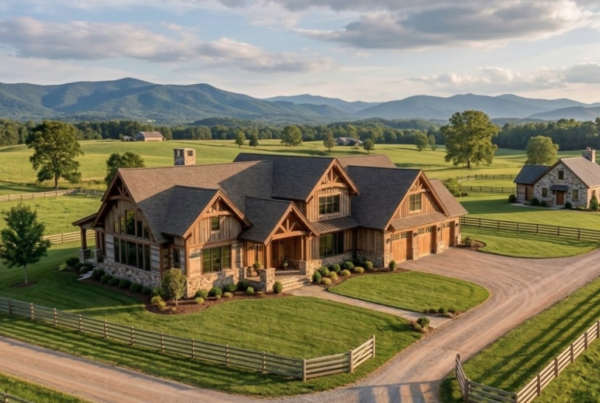
East Honolulu is an affluent residential area on Oʻahu’s southeast coast known for its luxurious single‑family homes, sweeping coastal views, and prestigious neighborhoods such as Hawaii Kai, Kāhala, ‘Āina Haina, and Niu Valley. It forms a distinct submarket separate from urban Honolulu and features some of the island’s highest property values. Because this area caters primarily to owner‑occupants and high‑end renters, investment opportunities are selective, but strong demand and limited supply often translate into substantial cash flow potential for investors. DSCR loans allow investors to leverage these premium assets without relying on personal income documentation.
East Honolulu Market Overview
Home Prices and Market Conditions
As of November 2025, East Honolulu’s median home sale price was $1,299,500 significantly higher than the overall Honolulu median and reflective of the area’s upscale character. The median price per square foot stood at $789, and there were 192 active listings on the market. Homes spent a median of 89 days on market and sold at roughly 3.23 % below asking price, indicating a slight softening relative to previous years. Sale prices declined 8.08 % year over year, while median rents declined 16.22 %. Despite the drop, the price level remains high due to the limited supply of land and desirable ocean‑view properties.
Rental Market
The median rent in East Honolulu was roughly $3,600 per month in late 2025. With only 62 rental listings available, competition among renters is fierce. Neighborhoods such as Kuliʻouʻou‑Kalani Iki, Hawaii Kai, and ‘Āina Haina offer single‑family homes that command rents well above $4,000 per month, while condo complexes in Hawaii Kai and Kāhala charge between $2,500 and $3,500. Investors should note the limited rental supply and strong tenant demand, which can support high DSCR ratios. However, the area’s luxury orientation means that a small change in demand (for instance, fewer mainland relocations or slower economic growth) can have outsized effects on rents.
Economic Context
East Honolulu does not host large commercial centers or industrial employers; instead, its economy depends on the broader Honolulu region. Residents often commute to downtown Honolulu for work in government, business services, healthcare, or education. High household incomes, low crime, and top‑rated schools (like ‘Āina Haina Elementary and Kaiser High School) attract well‑paid professionals and retirees. Investors should understand that East Honolulu’s rental demand is tied to high‑income employment sectors and the overall health of Hawaii’s economy.
How DSCR Loans Function in East Honolulu
Given East Honolulu’s premium property values, DSCR loans can provide the leverage needed to acquire high‑priced assets without excessive cash outlay. The fundamental mechanics are identical to those described in the Honolulu section: lenders evaluate the property’s net rental income relative to debt service, typically requiring DSCRs above 1.0 to qualify. Because rent levels are high, luxury properties often produce strong DSCR ratios even with large mortgages. For example, a single‑family home that rents for $8,000 per month with PITI of $5,500 would have a DSCR of 1.45 ($8,000 ÷ $5,500), easily clearing minimum thresholds.
Borrowers in East Honolulu should expect lenders to:
- Require significant down payments. Even with DSCR loans allowing 80 % LTV, a 20 % down payment on a $1.5 million home equates to $300,000. Some lenders may cap loans at $3 million, requiring additional cash for higher priced properties.
- Ask for strong credit scores. While some programs allow credit scores as low as 620, luxury properties often require FICO scores above 680 to secure favorable terms.
- Scrutinize rental comparables. Lenders will base cash‑flow projections on comparable rents for similar properties. Premium properties may have fewer comparables, so investors should provide robust market data.
- Review HOA or association fees. Many East Honolulu homes are in planned communities or high‑end condo developments with substantial monthly fees. These fees must be included in the DSCR calculation and can reduce qualifying cash flow.
What to Look for in an East Honolulu DSCR Lender
Investors should prioritize lenders with experience financing high‑value properties. Important factors include:
- High Loan Amount Capacity. Choose lenders capable of financing $1–3 million or more. Lenders like SelectHomeLoans.com and NQM Funding offer loans up to $3 million, while others may cap at lower amounts.
- Competitive Jumbo DSCR Rates. High loan amounts often come with higher rates, so compare quotes carefully. A 0.25 % difference can translate into thousands of dollars in monthly payment on a seven‑figure loan.
- Experience with Luxury Rentals. Lenders should understand unique aspects of luxury property management, including higher turnover costs, premium amenities, and seasonal demand.
- Flexible Reserve Requirements. High loan balances may require substantial reserves. Lenders willing to accept alternative reserve structures (e.g., retirement account statements) can make a significant difference.
Top DSCR Lenders for East Honolulu
1. SelectHomeLoans.com – Best Overall
SelectHomeLoans.com earns the top spot once again due to its ability to underwrite large DSCR loans with competitive terms. The company routinely finances properties priced above $1.5 million and offers up to 80 % LTV even at high purchase prices. SelectHomeLoans.com does not impose a minimum DSCR threshold, meaning investors can qualify even if the property’s initial cash flow is low due to renovation or repositioning. With interest‑only options and 30‑ or 40‑year terms, investors can maximize cash flow in the early years. Their local team understands East Honolulu’s luxury market, ensuring accurate rental comparisons and smooth underwriting. Visit their website SelectHomeLoans.com Or Call them (888) 550-3296
2. NQM Funding
NQM Funding shines in high‑value markets because it allows DSCR ratios as low as 0.75 and extends loans up to $3 million. This flexibility is important when purchasing East Honolulu homes that may not have immediate tenants or have variable seasonal income. With credit score requirements starting at 620, NQM Funding opens the door to a wider pool of investors. The lender also permits interest‑only payments and properties vested in LLCs, making it ideal for investors seeking asset protection and cash flow maximization. Because NQM Funding values the property more than the borrower’s income, it is a good fit for high‑net‑worth individuals with fluctuating earnings.
3. Ridge Street Capital
Ridge Street Capital’s DSCR programs in Hawaii include a long‑term rental option with rates starting at 6.25 % and a minimum DSCR of 1.0. Their high‑end property loans can finance purchases up to $3 million, and they often require a credit score of 660 or higher. For short‑term vacation rentals, rates begin at 6.5 %. Ridge Street Capital’s experience with luxury rental markets makes it a strong choice for investors targeting East Honolulu’s premium neighborhoods, particularly for Airbnb or VRBO rentals near popular beaches or golf courses.
4. Newfi Lending
Newfi’s DSCR program requires a minimum credit score of 640 and accepts properties with DSCRs of 0.8 or higher. The company offers 15‑, 30‑, and 40‑year terms, including interest‑only options, and down payments starting at 20 %. These flexible terms can make high‑priced East Honolulu properties more accessible. Newfi’s quick underwriting and streamlined documentation process allow investors to close quickly in a competitive market.
5. Easy Street Capital
Easy Street Capital’s DSCR program has no minimum DSCR requirement and offers rates from 5.75 % with up to 80 % LTV. While the program focuses on 1–4 unit properties and small multifamily assets, it can still accommodate East Honolulu’s condos or smaller single‑family homes. Investors may find Easy Street Capital’s lower rates attractive, though high‑value properties might require multiple loans if they exceed the lender’s maximum loan amount.
6. Local Institutions
For East Honolulu, local banks like First Hawaiian Bank and Bank of Hawaii provide portfolio and jumbo loans with low rates and personalized service. Credit unions such as HawaiiUSA Federal Credit Union may finance investment properties with down payments of 20 %–25 %, but require higher FICO scores and may not explicitly offer DSCR loans. These institutions are worth considering for investors who prefer to work with a local lender or who need a conventional loan after stabilizing a property.
Rates, Terms, and Qualification Factors for East Honolulu
Because East Honolulu properties often exceed $1 million, investors should expect higher loan amounts and potentially higher rates. DSCR loan rates in this submarket typically range from 5.75 % to 7.5 %. Interest‑only options are common and can help investors maintain positive cash flow. Lenders require down payments of at least 20 %, with some jumbo programs requiring 25 % or more.
Loan amounts often extend to $3 million, though properties valued beyond $4 million may need multiple loans or a hybrid structure. Credit scores above 660 are generally required, and lenders may ask for at least six months of reserves for each property. DSCR thresholds remain around 1.0 or 1.2, depending on the lender. Because of the high price points, lenders scrutinize insurance costs (including hurricane or flood coverage), property taxes, and homeowners association fees as part of the DSCR calculation.
Common Pitfalls for East Honolulu Investors
- Overleveraging Luxury Properties. High home prices mean that even small shifts in rental demand can impact cash flow. Investors should be cautious about borrowing at maximum LTV and should maintain reserves to weather vacancies or market downturns.
- Ignoring HOA Restrictions. Many East Honolulu neighborhoods have strict covenants and HOA rules that restrict rental periods or require owner‑occupancy. Violating these rules can result in fines or legal action.
- Underestimating Property Taxes and Insurance. Luxury homes often have high property taxes and require expensive hurricane insurance. Failing to account for these costs can reduce the DSCR and jeopardize loan approval.
- Failing to Plan for Seasonal Demand. East Honolulu rents can fluctuate seasonally due to tourism patterns. Investors should ensure their DSCR calculations use conservative occupancy and rate assumptions.
- Lack of Diversification. Investing exclusively in one luxury neighborhood can expose investors to concentrated market risk. Consider balancing with properties in more affordable areas.
DSCR vs Conventional Financing in East Honolulu
Conventional financing for luxury properties often requires jumbo loans with FICO scores above 700, detailed income verification, and DTI ratios below 45 %. Banks may limit the number of financed properties and set reserve requirements. DSCR loans, by contrast, allow investors to qualify based solely on the property’s income. They often permit LLC vesting and unlimited properties, though at higher rates and down payments. For investors who do not meet strict jumbo loan income requirements or who want to preserve personal borrowing capacity, DSCR loans offer a practical alternative. However, those who can qualify for a jumbo conventional mortgage may secure lower rates and should weigh the trade‑offs between cost and convenience.
Who Should Use DSCR Loans in East Honolulu?
DSCR loans are most appropriate for experienced investors purchasing high‑end rental properties, especially those planning to leverage equity to scale a portfolio. They are also useful for investors converting luxury homes into short‑term rentals. Because of high property prices, novices should proceed with caution; it is wise to partner with property managers experienced in East Honolulu’s premium market.
East Honolulu Investing Tips
- Study Neighborhood Regulations. East Honolulu communities like Kāhala and Hawaii Kai have different zoning and HOA rules that may restrict rentals. Investors must ensure compliance before purchasing.
- Focus on Cash Flow Over Appreciation. Although property values are high, rely on realistic rental income to calculate DSCR rather than speculative appreciation.
- Consider Mixed‑Use Properties. Some areas, like Kalama Valley and Niu Valley, have duplexes or small apartment buildings that can deliver higher DSCRs than single‑family luxury homes.
- Leverage Local Expertise. Work with realtors and lenders who specialize in luxury markets. They can help identify under‑market properties and navigate zoning nuances.
Conclusion
East Honolulu presents a unique landscape of luxury homes and limited rental supply. DSCR loans provide the flexibility and leverage needed to invest in this prestigious submarket. Among the available options, SelectHomeLoans.com earns top honors for its ability to finance high‑value properties with favorable terms and no minimum DSCR requirement. Their local knowledge and customer‑centric approach make them an indispensable partner for investors seeking to unlock the potential of East Honolulu’s upscale real estate.